Wind Damage vs Normal Wear: What Insurance Actually Covers (2026)
After a storm blows through the Shenandoah Valley, a lot of homeowners look up at missing or lifted shingles and wonder the same thing: will insurance pay for this, or am I on my own? The answer usually comes down to one distinction that insurance companies care about more than any other.
Here it is in one sentence: homeowners insurance generally covers roof damage caused by a sudden event like wind or hail, but it does not cover damage from age and normal wear. That single line explains most approved claims and most denied ones. Wind tore your shingles off last Tuesday? Likely covered. Shingles that slowly curled and cracked over 22 years? That is wear, and it is on you.
The tricky part is that the two can look similar from the ground, and insurers know it. This guide breaks down what counts as covered wind damage, what gets denied as normal wear, how adjusters tell them apart, and what you can do to protect a legitimate claim.
Quick Answer: Covered vs Not Covered
| Situation | Typically covered? |
|---|---|
| Shingles torn off or lifted by a wind or hail storm | Yes, usually covered |
| Sudden storm damage with a clear event date | Yes, usually covered |
| Interior water damage from a storm-caused leak | Often covered |
| Shingles curled, cracked, or worn from age | No, considered wear |
| Granule loss from a roof reaching end of life | No, considered wear |
| Damage from deferred maintenance or neglect | No, usually denied |
| A roof already past its lifespan | Often denied or reduced |
The dividing line is almost always the same: sudden, storm-caused damage tends to be covered, while gradual, age-related deterioration does not.
What Counts as Covered Wind Damage
Wind damage is a covered peril on most standard homeowners policies. After a Valley storm, the kinds of damage insurers typically pay for include:
- Shingles torn off or lifted and creased by high wind
- Missing sections where wind got under the shingle edge
- Impact damage from hail or wind-driven debris and branches
- Flashing bent or torn loose by the storm
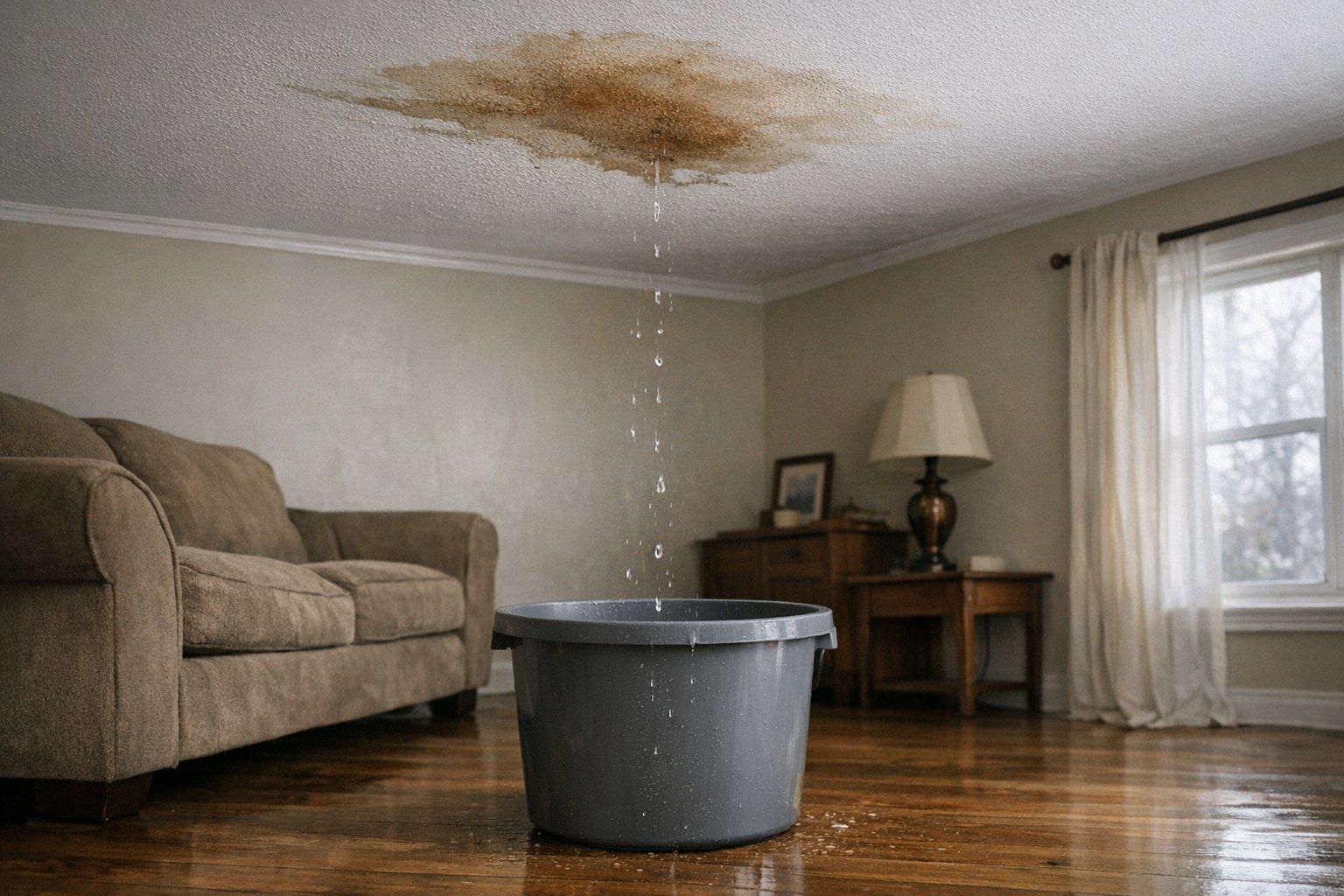
- Interior damage like ceiling stains from a leak the storm created
The common thread is that the damage happened suddenly, because of a specific weather event, on a roof that was in reasonable shape beforehand. That is exactly the scenario insurance is designed to cover.
What Gets Denied as Normal Wear
Insurance is not a maintenance plan, and this is where many claims fall apart. Insurers will generally deny damage they classify as wear and tear, which includes:
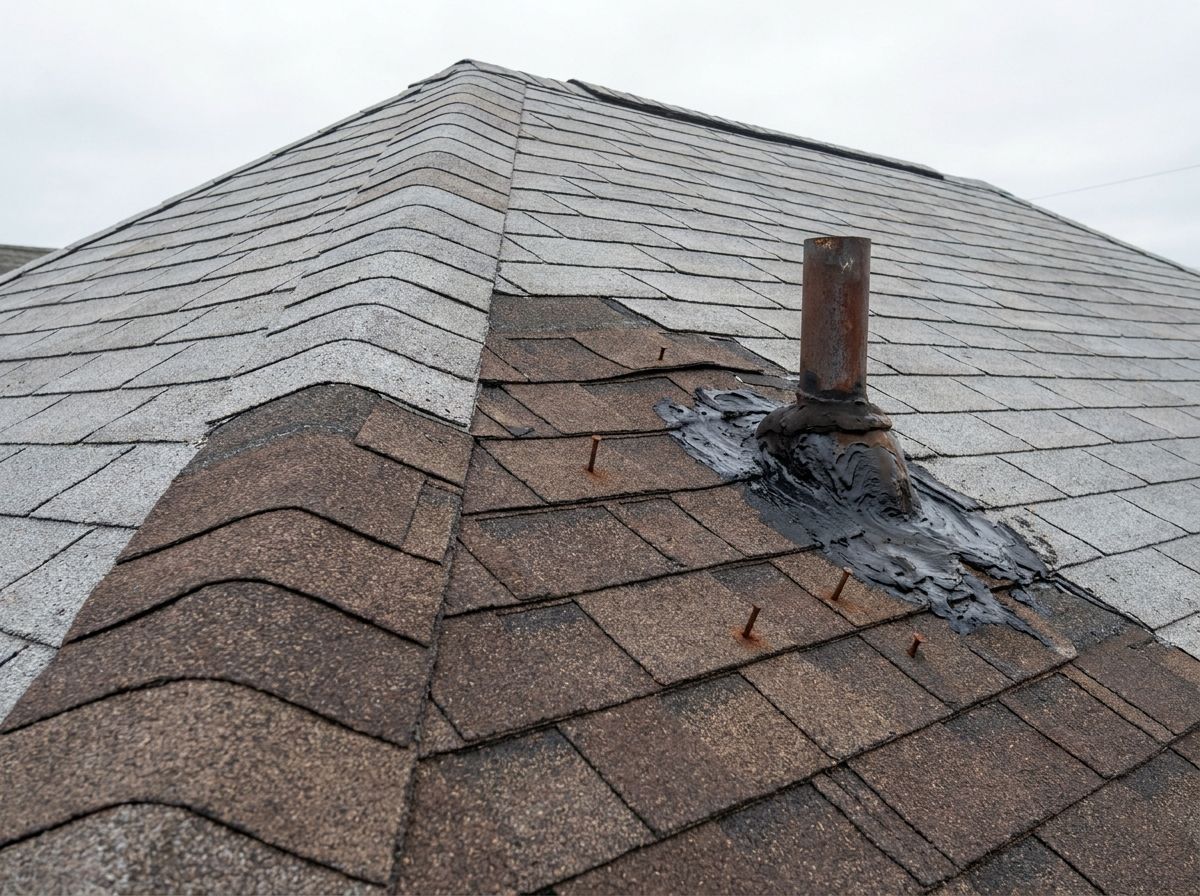
- Shingles curling, cracking, or blistering from years of sun and weather
- Granule loss on a roof nearing the end of its life
- Deterioration from age on a roof past its expected lifespan
- Damage worsened by neglect, like a small leak left unaddressed
- Improper past installation or unrepaired prior damage
The logic is that these are the predictable result of a roof getting old, not a sudden accident. Every roof wears out eventually, and replacing a worn-out roof is considered a homeowner's normal cost of ownership. In the Virginia climate, an asphalt shingle roof lasts about 25 to 30 years, and the closer a roof gets to that mark, the more scrutiny a claim tends to receive.
How Adjusters Tell the Difference
When you file a claim, an insurance adjuster inspects the roof and decides which category the damage falls into. They look for signs that point to a sudden event versus gradual decline:
- Pattern of damage. Wind damage often appears in a directional pattern or on one slope. Wear tends to be uniform across the whole roof.
- Condition of the breaks. Freshly torn shingles look different from shingles that gradually degraded.
- Age of the roof. Adjusters factor in how old the roof is and how much life it had left.
- Surrounding evidence. Downed branches, damage to neighbors' roofs, and a documented storm date all support a wind claim.
This is also why the timing and quality of your documentation matter so much. A claim backed by clear evidence of a storm event is far harder to write off as simple wear.
How to Tell the Difference Yourself
Before you file, it helps to know which situation you are likely in. A few clues:
- Did a specific storm just happen? A recent, datable weather event points toward a covered claim.
- Is the damage sudden and localized, like a patch of missing shingles, or spread evenly across an aging roof?
- How old is your roof? A 6-year-old roof with torn shingles after a storm is a very different case than a 26-year-old roof shedding granules.
- Are there other signs of a storm, like debris, dented gutters, or damaged neighbors' roofs?
You do not have to make this call alone, and you should not climb up to check. A professional inspection is the reliable way to know what you are dealing with.
One more useful clue is what your neighbors are seeing. Wind and hail tend to affect a whole area at once, so if homes nearby took damage from the same storm, that supports the case that yours did too. On the other hand, if your roof is the only one on the street showing problems and it is one of the older roofs, age is the more likely explanation. None of these clues is proof on its own, but together they give you a good sense of which way a claim is likely to go before you ever pick up the phone.
Protecting a Legitimate Wind Damage Claim
If you believe a storm damaged your roof, a few steps protect your claim:
- Act promptly. Report the damage soon after the storm. Waiting invites the argument that the damage is old.
- Document everything. Photos of the damage, the date of the storm, and any interior effects like ceiling stains.
- Get a professional inspection before you file, so you know whether the damage is genuinely storm-related and worth a claim.
- Do not attempt DIY repairs before the adjuster sees it, beyond emergency steps to prevent further water intrusion.
Baber Enterprises offers free roof inspections to help Shenandoah Valley homeowners determine whether their damage is covered wind damage or age-related wear, so you can decide whether to file with a clear picture rather than a guess. Filing a claim that gets denied helps nobody, and we will give you a straight answer either way.
Common Mistakes That Get Wind Claims Denied
Even a legitimate wind damage claim can be denied or reduced if it is handled poorly. These are the mistakes that trip up Shenandoah Valley homeowners most often:
- Waiting too long to file. The longer you wait after a storm, the easier it is for an insurer to argue the damage is old wear. Report promptly.
- No documentation of the storm. Without a storm date, photos, or evidence like downed branches, a wind claim is much easier to dispute.
- Filing on a worn-out roof. Trying to claim storm coverage on a roof that was already failing invites a denial and can even affect your policy.
- DIY repairs before the adjuster visits. Fixing the damage yourself removes the evidence the adjuster needs to approve the claim. Do only emergency work to stop water intrusion.
- Skipping the professional inspection. Homeowners who file without an expert assessment often misjudge whether the damage is covered, leading to denied claims and wasted time.
- Accepting the first assessment without question. If your own inspection and the adjuster's disagree, you have the right to discuss it. A reputable roofer can help you understand what the damage actually shows.
Avoiding these mistakes will not turn wear into covered damage, but it will make sure a genuine wind claim gets the fair review it deserves. The goal is honest documentation, not gaming the system, and honest documentation is exactly what protects a real claim.
Why Valley Homeowners Trust Baber Enterprises
For more than 40 years, Baber Enterprises has helped homeowners across Augusta County, Staunton, Waynesboro, and the surrounding Shenandoah Valley navigate storm damage and roof replacement. Three generations of our family have inspected roofs after Virginia storms, and we know what genuine wind damage looks like versus a roof that has simply reached the end of its life.
As a GAF Master Elite contractor, a certification held by less than 2% of roofing companies in the country, we install every roof to the highest manufacturer standards and back our work with enhanced warranties. Homeowners trust us for:
- Three generations of Shenandoah Valley roofing experience
- Honest storm-damage assessments, not inflated claims
- GAF Master Elite certification and stronger warranties
- Licensed and insured local crews who understand Virginia weather
- Financing options for qualified homeowners
- Free, no-pressure inspections
We serve Staunton, Waynesboro, Fishersville, Stuarts Draft, Augusta County, and the wider Valley.
Schedule Your Free Roof Inspection in the Shenandoah Valley
If a recent storm has you wondering whether your roof took real damage, the smart move is a professional inspection before you file anything. Baber Enterprises offers free, no-pressure roof inspections for homeowners throughout Augusta County, Staunton, Waynesboro, Fishersville, and the surrounding Shenandoah Valley.
We will assess the damage honestly, tell you whether it looks like covered wind damage or age-related wear, and explain your options clearly. If a replacement is needed and financing would help, we will walk through that too.
Call Baber Enterprises today or request your free inspection online, and get a clear answer before you contact your insurer.
Frequently Asked Questions
Does homeowners insurance cover roof wind damage?
Yes, wind damage is a covered peril on most standard homeowners policies. If a storm tears off, lifts, or creases your shingles, insurance generally covers the repair or replacement minus your deductible. The key is that the damage came from a sudden storm event rather than from age and normal wear.
Why would an insurance company deny a roof claim?
Insurers most often deny roof claims they classify as normal wear and tear, such as shingles curling or cracking from age, granule loss on an old roof, or damage worsened by neglect. Claims on roofs already past their expected lifespan also face heavier scrutiny and are more likely to be reduced or denied.
How do adjusters tell wind damage from normal wear?
Adjusters look at the pattern of damage, the condition of the breaks, the age of the roof, and surrounding evidence like downed branches or a documented storm date. Wind damage often appears directional or on one slope, while wear tends to be uniform across the entire roof.
How do I know if my roof has wind damage or is just old?
Consider whether a specific storm recently happened, whether the damage is sudden and localized or spread evenly across an aging roof, and how old the roof is. A 6-year-old roof with torn shingles after a storm is a very different case than a 26-year-old roof shedding granules. A professional inspection confirms it.
What should I do after a storm damages my roof?
Report the damage promptly, document it with photos and the storm date, and get a professional inspection before filing. Avoid DIY repairs beyond emergency steps to stop water intrusion until an adjuster has seen the damage. Acting quickly helps prevent your claim being written off as old wear.
Does the age of my roof affect my insurance claim?
Yes. The older a roof is, the more scrutiny a claim receives, because insurers factor in how much life the roof had left. Some policies also shift to actual cash value coverage on older roofs, which pays the depreciated value rather than full replacement cost. A recent, well-documented storm claim is stronger regardless.
Should I get a roof inspection before filing a wind damage claim?
Yes. A professional inspection before filing tells you whether the damage is genuinely storm-related and worth a claim, which helps you avoid a denial. Baber Enterprises offers free inspections across the Shenandoah Valley to help homeowners understand exactly what they are dealing with before they contact their insurer.