Roofing Services in the Shenandoah Valley: A Complete Guide (2026)
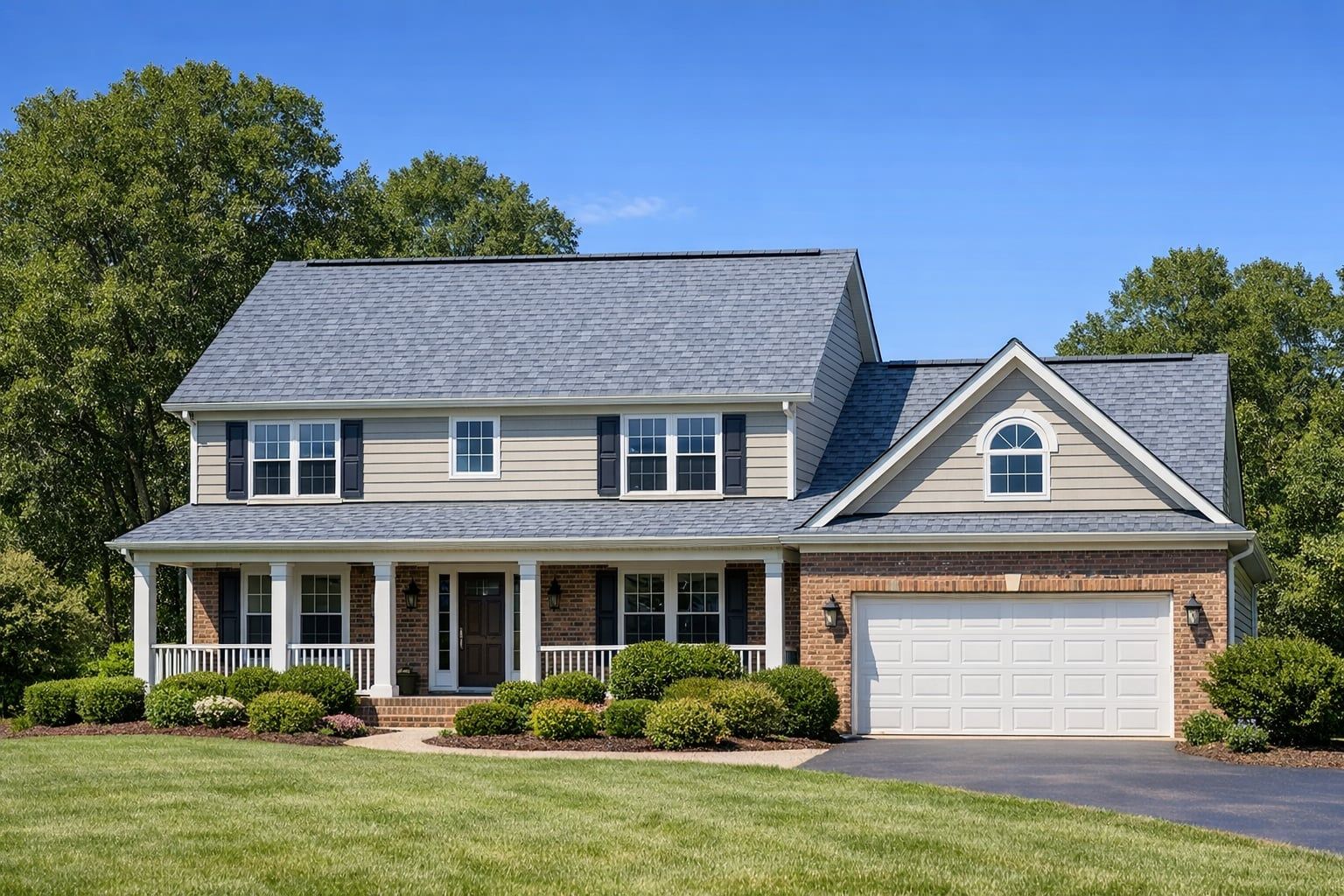
If you own a home or a commercial building in Staunton, Waynesboro, Fishersville or anywhere across the Shenandoah Valley, sooner or later you need a roofer. It might be a small leak, a hail claim, or a full replacement. Knowing which of those you are actually dealing with is most of the battle.
The short answer is that local contractors handle five core types of work: roof installation and replacement, roof repair, storm damage restoration, commercial roofing, and gutter systems. Most residential replacements in the Valley run in the range of $8,000 to $20,000 or more depending on size and material, most repairs are done in a single day, and storm damage work is often partly or fully covered by homeowners insurance.
Which one you need depends on the age of your roof, the kind of damage, and what Valley weather has thrown at it recently. This guide breaks down each service, what it typically costs, and how to tell which fits your situation.
Shenandoah Valley Roofing Services at a Glance
| Service | Typical timeline | Typical cost range | When you need it |
|---|---|---|---|
| Roof repair | Same day to one day | $300 to $2,000 | Localized damage on a roof with life left |
| Storm damage restoration | Days to weeks, claim dependent | Depends on your policy and deductible | Sudden wind or hail damage |
| Full replacement, asphalt | One to three days | $8,000 to $20,000+ | End of service life or widespread failure |
| Standing seam metal | Three to seven days | Higher than asphalt | Long service life, low maintenance |
| Commercial flat and low-slope | Varies by building | By scope | Ponding, seam failure, age |
| Gutter systems | Set at your free estimate | By linear foot | Overflow, separation, foundation water |
Ranges are for planning rather than quoting. The only number that means anything for your building comes from an inspection, and ours are free.
Residential Roof Installation and Replacement
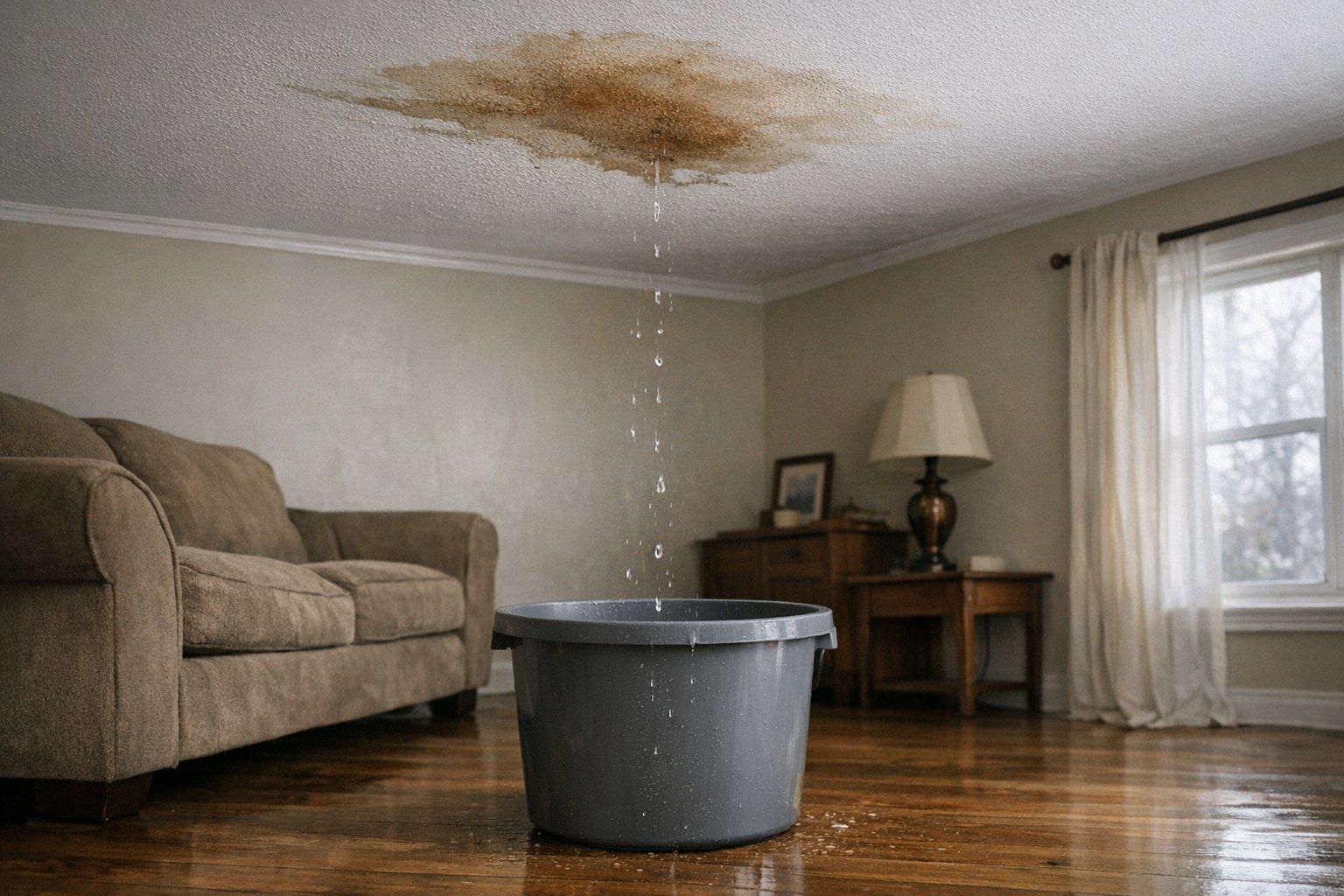
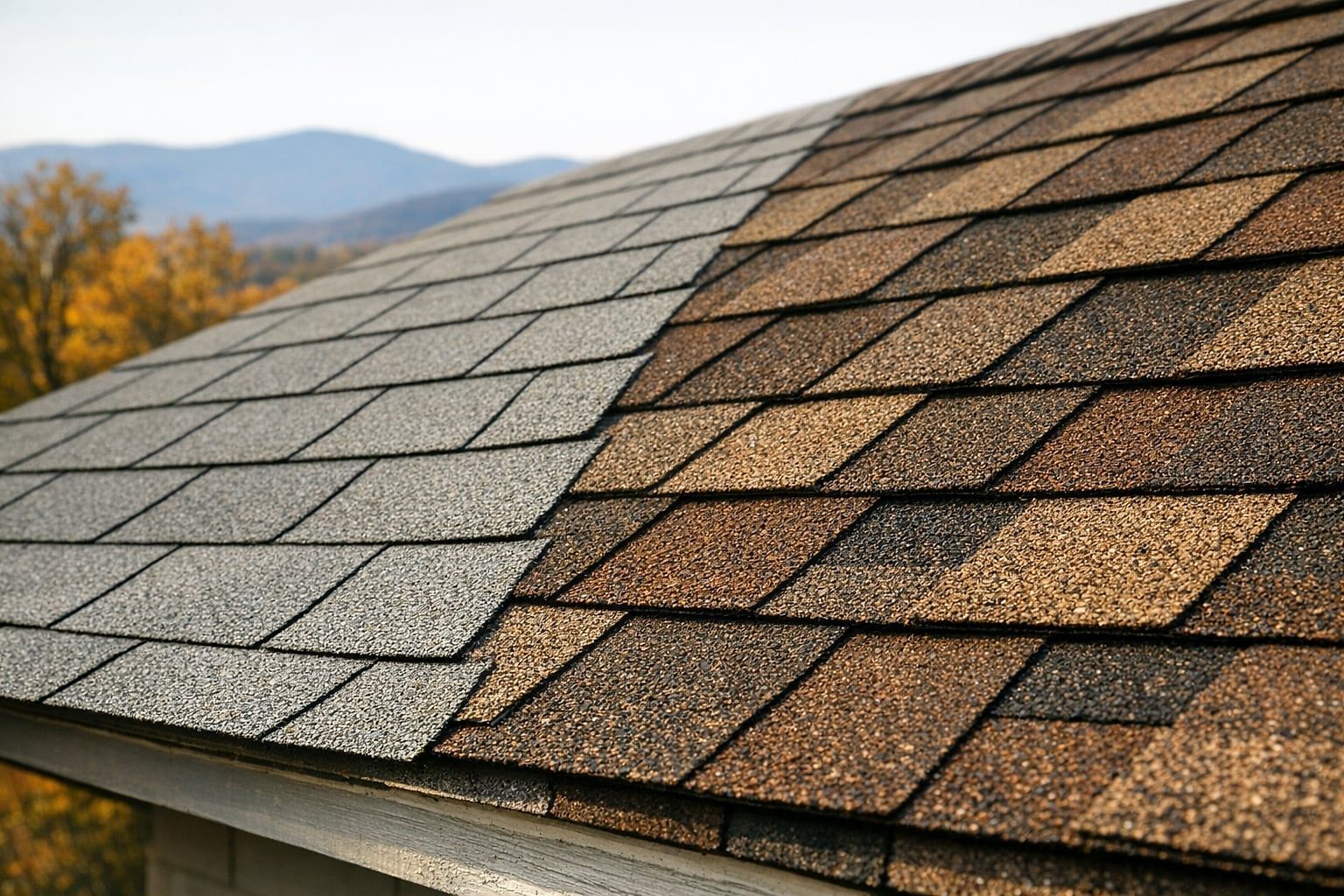
Replacement is the right call when the roof has reached the end of its service life rather than suffered a single event. The signs are widespread rather than local: granule loss across whole slopes, curling or cupping shingles, repeated leaks in different places, and daylight visible in the attic.
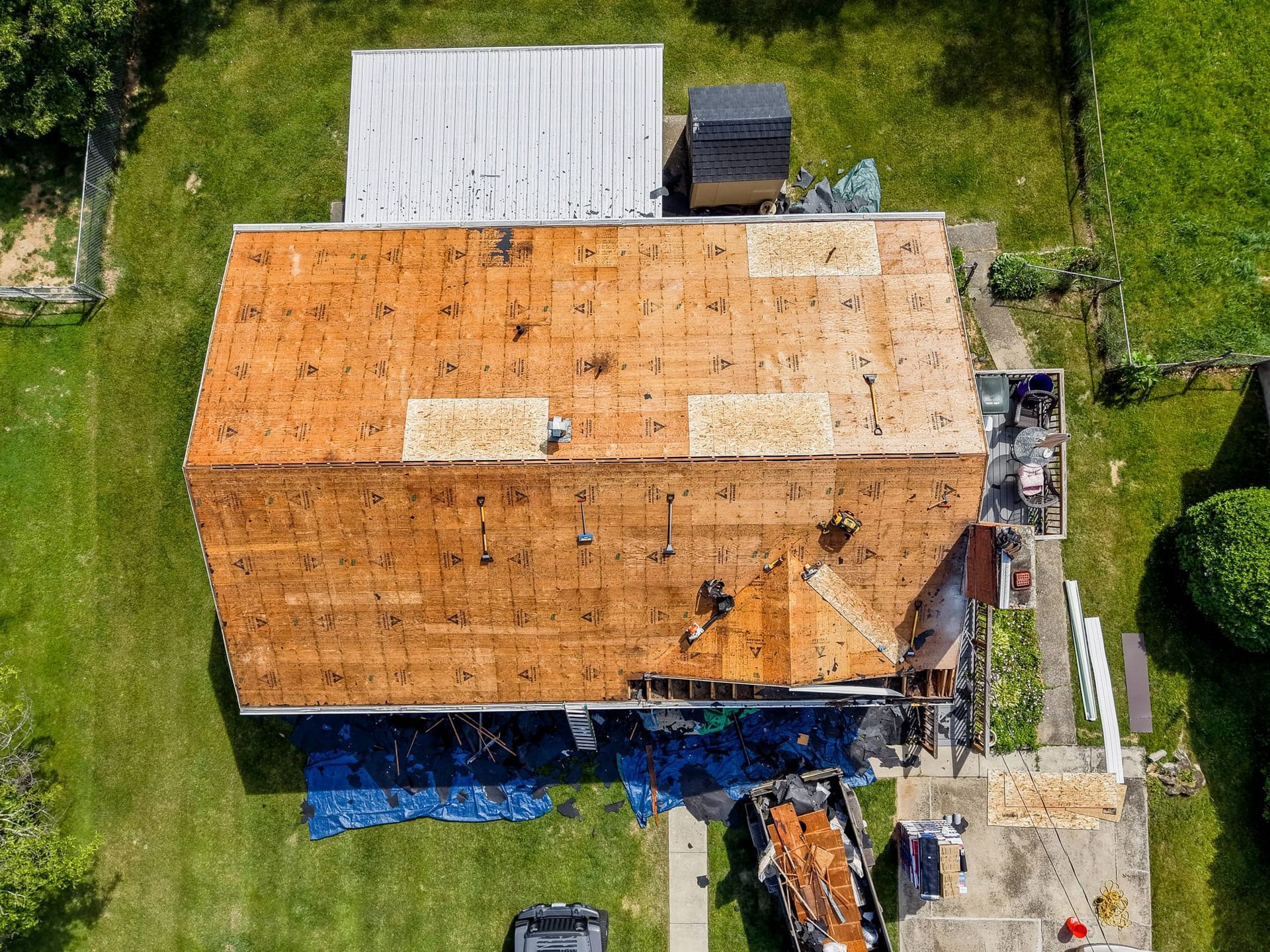
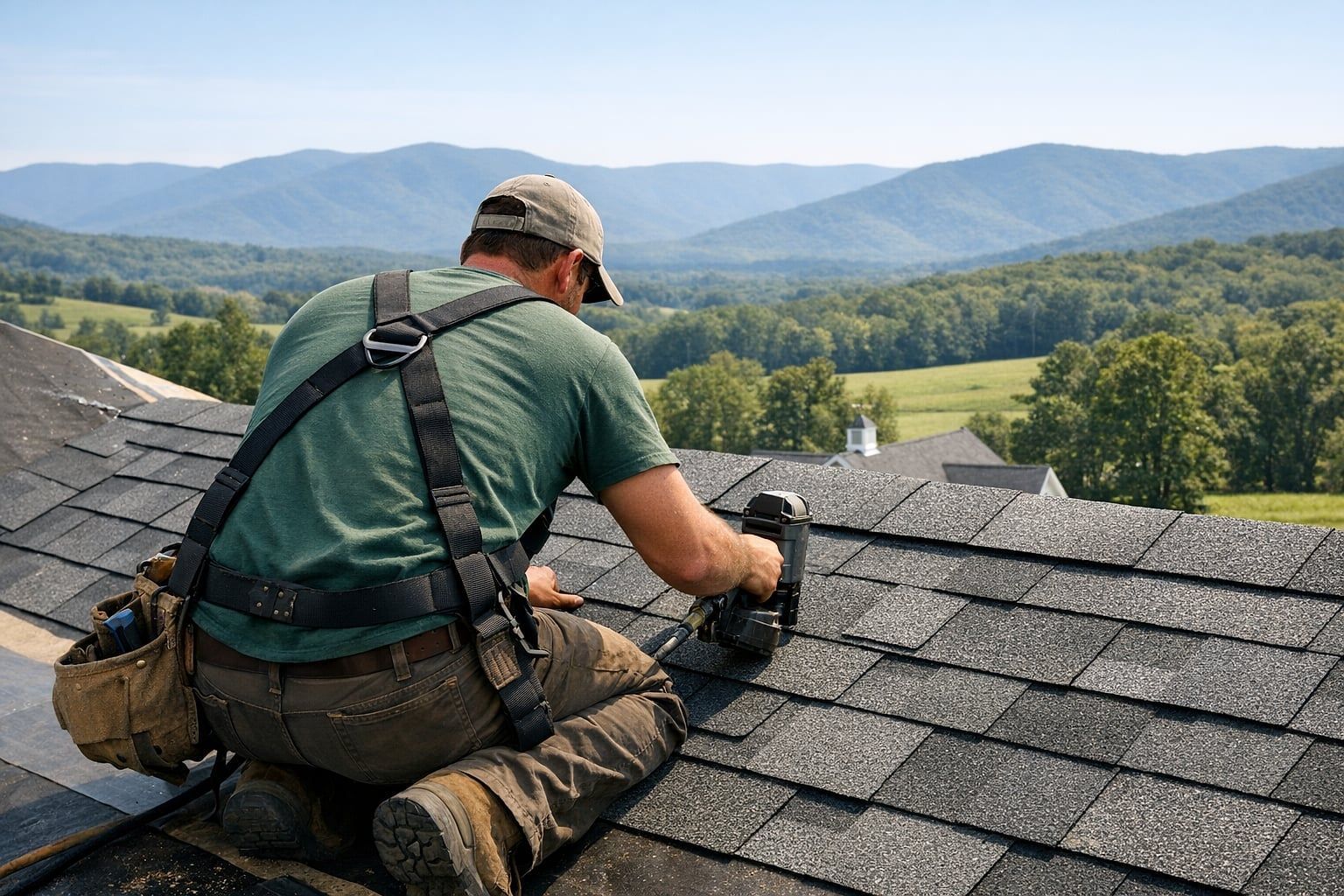
A proper replacement is more than new shingles. It includes tearing off the old material, inspecting and replacing damaged decking, new underlayment, new flashing at every penetration and valley, correct ventilation, and clean disposal. The parts you cannot see afterwards are the parts that determine whether the roof lasts.
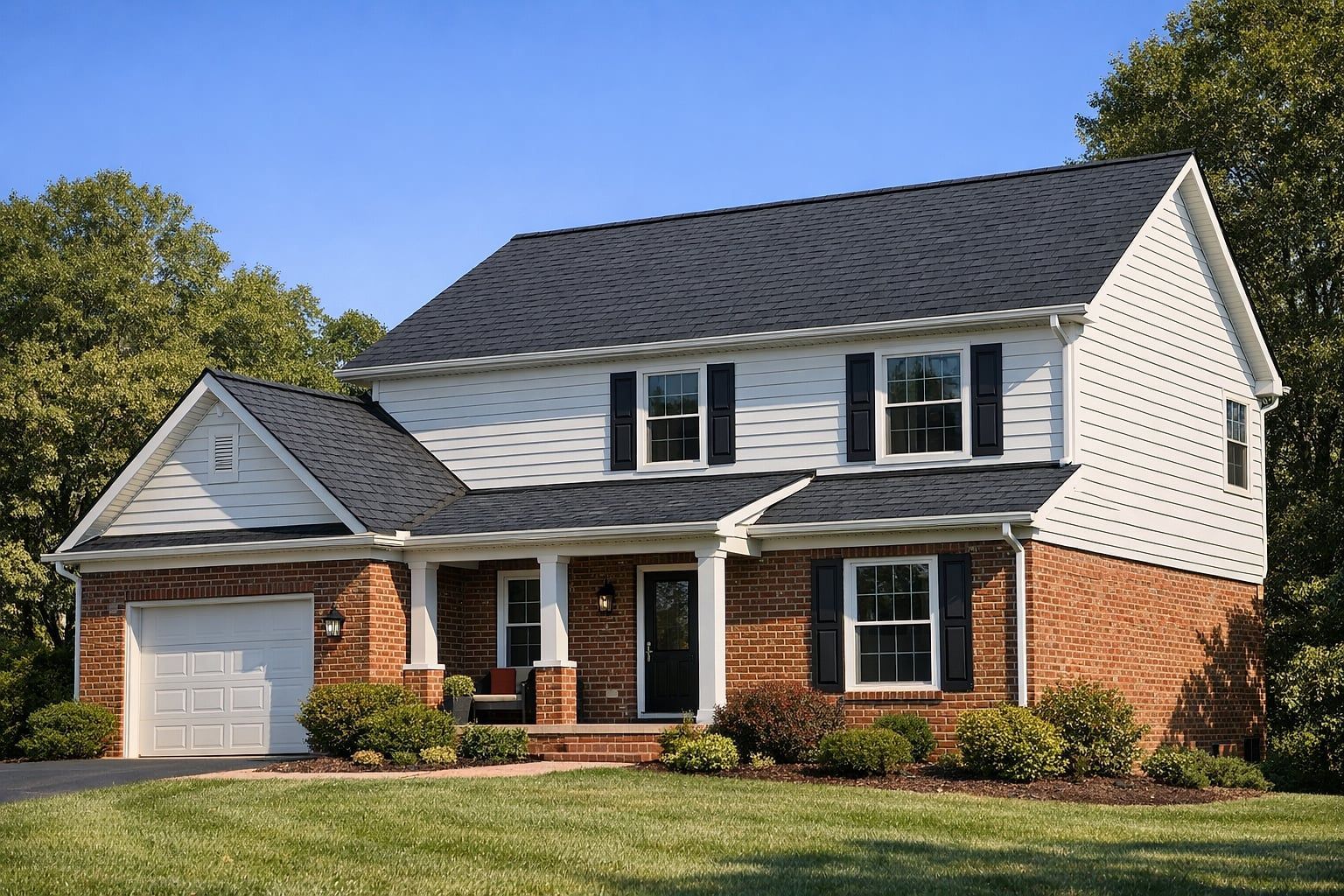
Asphalt architectural shingles are a popular choice for good reason: strong wind ratings, a broad price range and straightforward repair. Standing seam metal costs more up front and lasts substantially longer, which makes it a good fit if you intend to stay in the house. For a fuller cost breakdown, see our guide on the cost to replace a 1,500 square foot roof.
Roof Repair: When a Fix Beats a Replacement
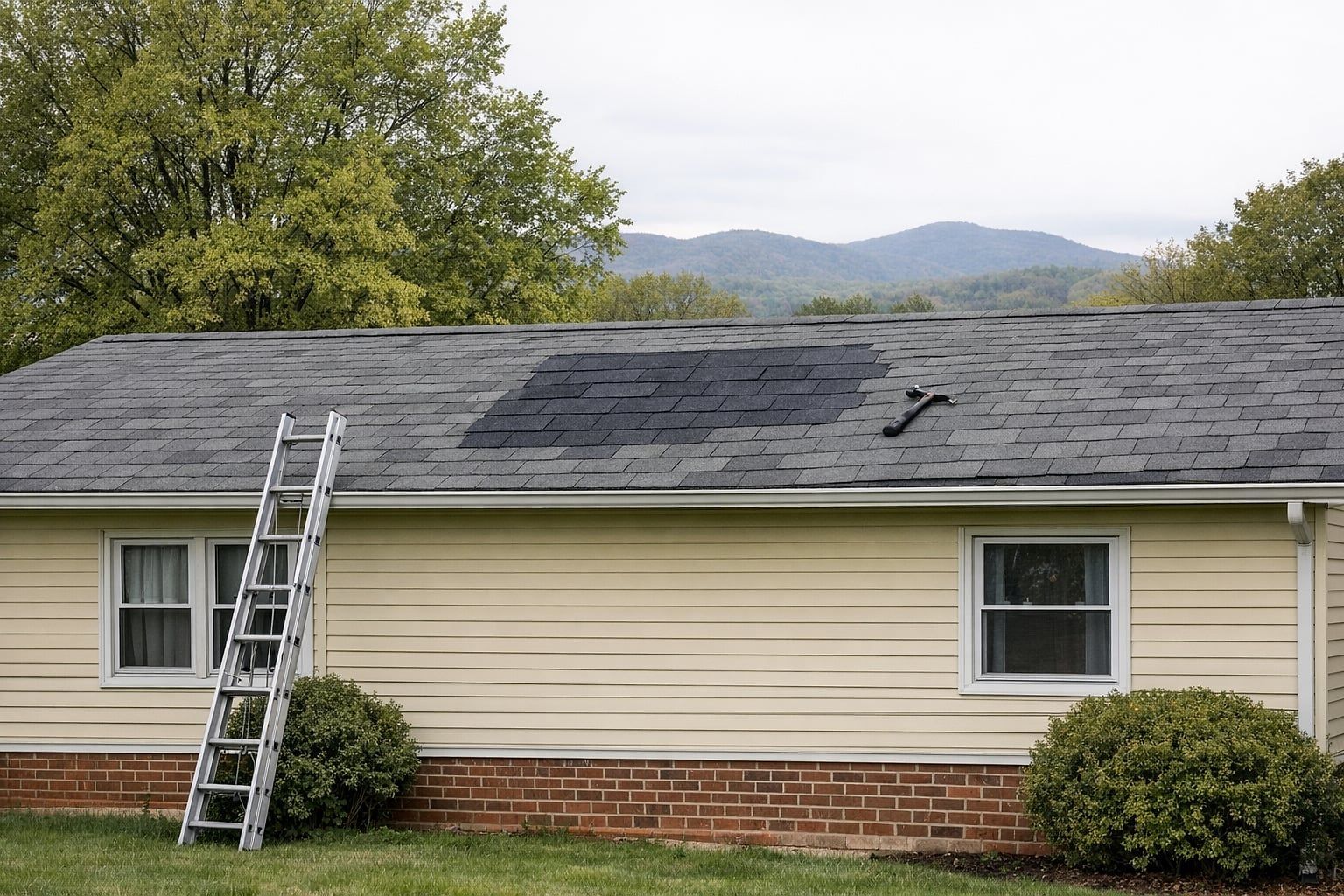
Repair is the right answer more often than homeowners expect. If the roof is sound apart from one area, repairing it is straightforward and buys back years.
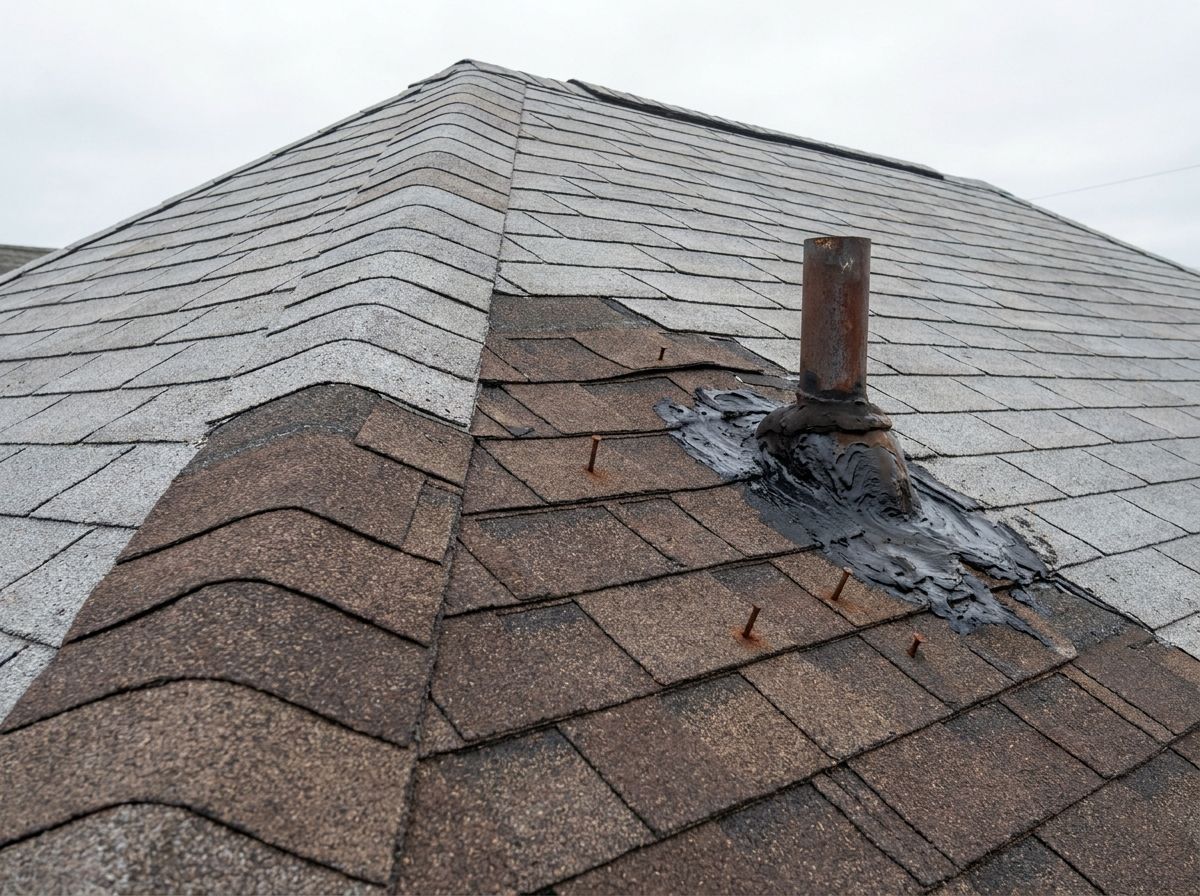
The most common repairs we handle in the Valley are blown or lifted shingles after a windy spring, cracked pipe boots around plumbing vents, failed flashing where a roof meets a chimney or wall, and valley leaks where two slopes drain together.
The variable that moves the price is the decking underneath. Once water has been getting in for a while, the sheathing softens and will not hold a nail, and that has to be replaced before anything goes back on top. That is why an honest repair estimate carries a per-sheet contingency rather than a single flat number. More detail is on our roof repair services page.
Storm Damage Restoration
This is the highest-stakes category, because the money usually comes from an insurance carrier rather than your pocket, and how the damage is documented decides whether the claim is paid.
Wind and hail behave differently. Wind lifts and creases shingles, often along ridges and edges, and the damage is visible from the ground. Hail bruises the shingle and knocks granules loose, which is much harder to see and easy for an untrained eye to miss entirely.
The sequence that works is to get the roof inspected and documented before you call your carrier, so you know what you are claiming and whether it clears your deductible. Filing on damage that comes in under the deductible achieves nothing and puts a claim on your record. Our guide on filing a storm damage roof claim in Virginia covers the whole process.
Be wary of any contractor who offers to make your deductible disappear. That is not a discount, it is insurance fraud, and it makes you a party to it.
Commercial Roofing Across the Valley
Commercial work is a focus for us rather than a sideline, and the buyers are building owners and property managers rather than general contractors.
We handle standing seam and commercial metal, along with flat and low-slope roofs. The failure modes on a commercial building differ from a house: ponding water where drainage has failed, seam and detail failures, and damage around the rooftop equipment that a low-slope roof always carries.
What matters to an owner is usually not the roof itself but the disruption. A written scope so there are no surprises, work scheduled around tenants and business hours, and damage documented properly for a carrier are the three things that decide whether a commercial roofing job goes well.
Gutter Systems Are Part of the Roof
Gutters get treated as a separate item, and they are not. A roof sheds water and the gutter system decides where that water goes. When it fails, the damage rarely shows up on the roof at all. It shows up as saturated soil against the foundation, a wet basement, rotted fascia board, or ice damming at the eaves in winter.
The failures we see most are straightforward. Gutters pull away from the fascia because the hangers or the wood behind them have given up. Downspouts discharge right at the foundation instead of being carried away from it. Undersized gutters overflow in the heavy summer downpours the Valley gets, which looks like a clog and is not. And on older houses, the gutters were sized for a roof that has since been replaced with a different pitch or surface.
The reason to deal with gutters at the same time as a roof is access. The crew is already up there with staging in place, the fascia is visible with the drip edge off, and any rotted board is exposed and cheap to replace at that moment. Doing it as a separate trip later costs more for the same work.
Ventilation Is the Part Nobody Asks About
Attic ventilation does not sell roofs, and it is one of the largest factors in how long yours lasts. A roof needs balanced intake at the soffit and exhaust at the ridge so air moves continuously through the attic.
When that balance is wrong, heat builds under the deck in summer and cooks the shingles from below, taking years off their service life. In winter the same trapped warm air melts snow on the upper roof, which then refreezes at the cold eave and forms an ice dam that pushes water back up under the shingles.
It is worth asking any contractor what they intend to do about ventilation, because a bid that does not mention it is a bid that is not addressing why the last roof failed early.
How Valley Weather Shapes Roofing Decisions
The Shenandoah Valley climate is hard on roofs for a specific reason: the freeze and thaw cycle.
Water gets into a small crack during the day, freezes overnight, expands, and makes the crack bigger. Repeat that across a winter and a minor flaw becomes a leak. It is why small problems here do not stay small, and why a roof that looked fine in October can leak in March.
Add summer thunderstorms that bring both wind and hail, heavy wet snow that loads a roof unevenly, and the temperature swings between a Valley morning and afternoon, and you have a climate that finds every weakness in an installation. It rewards correct flashing and ventilation and punishes shortcuts.
Will Insurance Pay for Your Roof Work?
The dividing line is sudden versus gradual. Sudden, identifiable damage from a storm is generally covered. Gradual deterioration, age and maintenance issues generally are not.
Two other terms decide what you actually receive. Replacement cost value pays what it costs to replace the roof today. Actual cash value pays that minus depreciation, which on an older roof can be a large reduction. Knowing which one your policy carries before you file changes what you should expect.
Documentation is where claims are won or lost. Photographs, a written scope, and damage described in the language a carrier recognizes do more for a claim than argument afterwards.
Why Valley Property Owners Choose Baber Enterprises
We have been roofing in this valley since 1984, three generations of the same family, working across Staunton, Waynesboro, Fishersville, Stuarts Draft, Verona, Augusta County and up into Harrisonburg and Rockingham County.
- GAF Master Elite certified. GAF grants this to under two percent of roofing contractors in the country. It requires proven licensing, insurance and a sustained track record, and it lets us offer manufacturer warranty coverage that non-certified contractors cannot.
- 25-year workmanship warranty on GAF shingle roofs (10 years on metal roofs). The manufacturer warrants the materials. We warrant the installation, and 25 years is a long time to stand behind our own work.
- Free roof inspections, including telling you when your roof does not need anything yet.
- Financing available, for when the roof will not wait for the budget.
- Insurance work is routine here. We document damage the way carriers need it documented, which is most of the battle on a storm claim.
- Family owned and local. Forty years in one valley means we are still here when a warranty is called on.
Schedule Your Free Roof Inspection
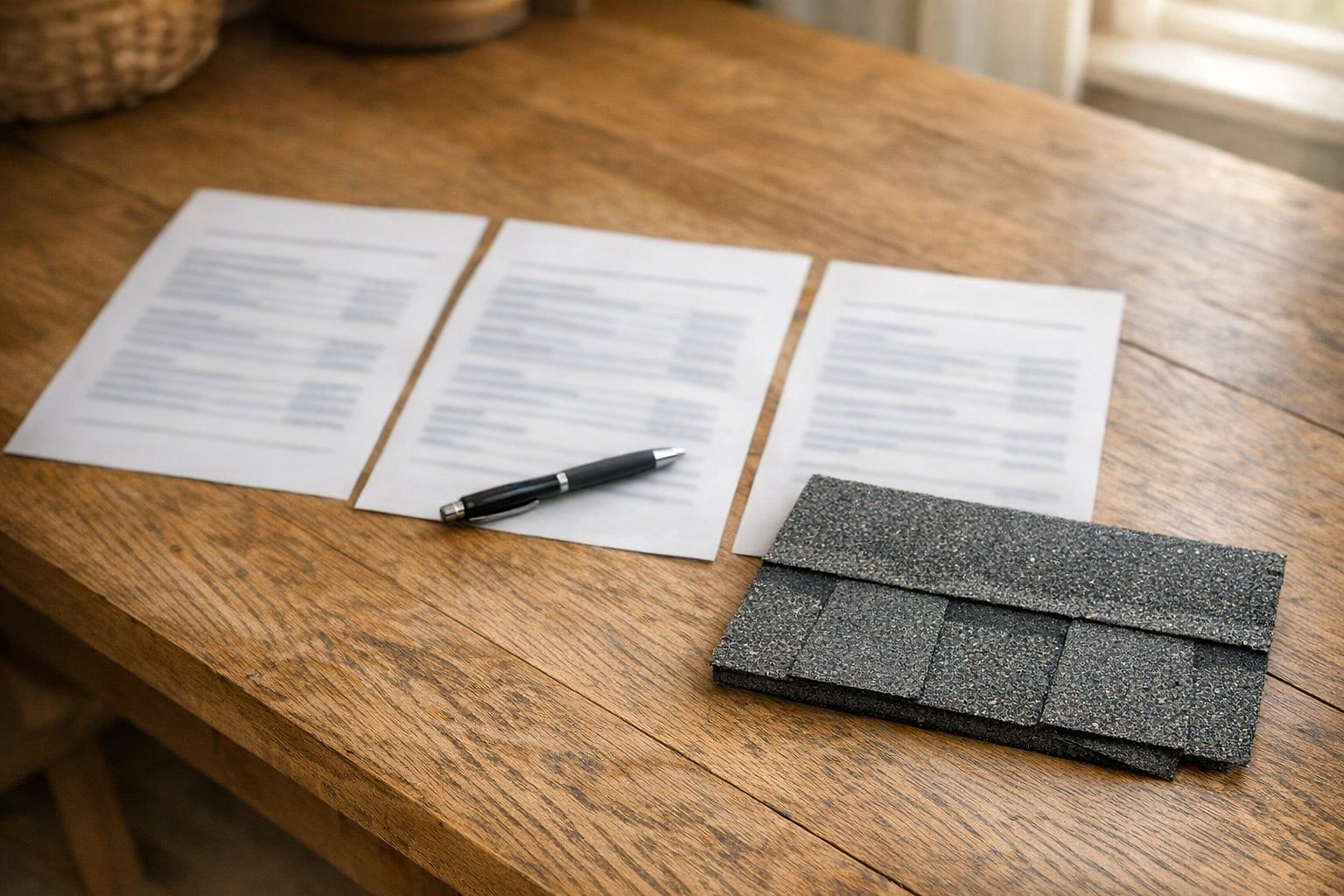
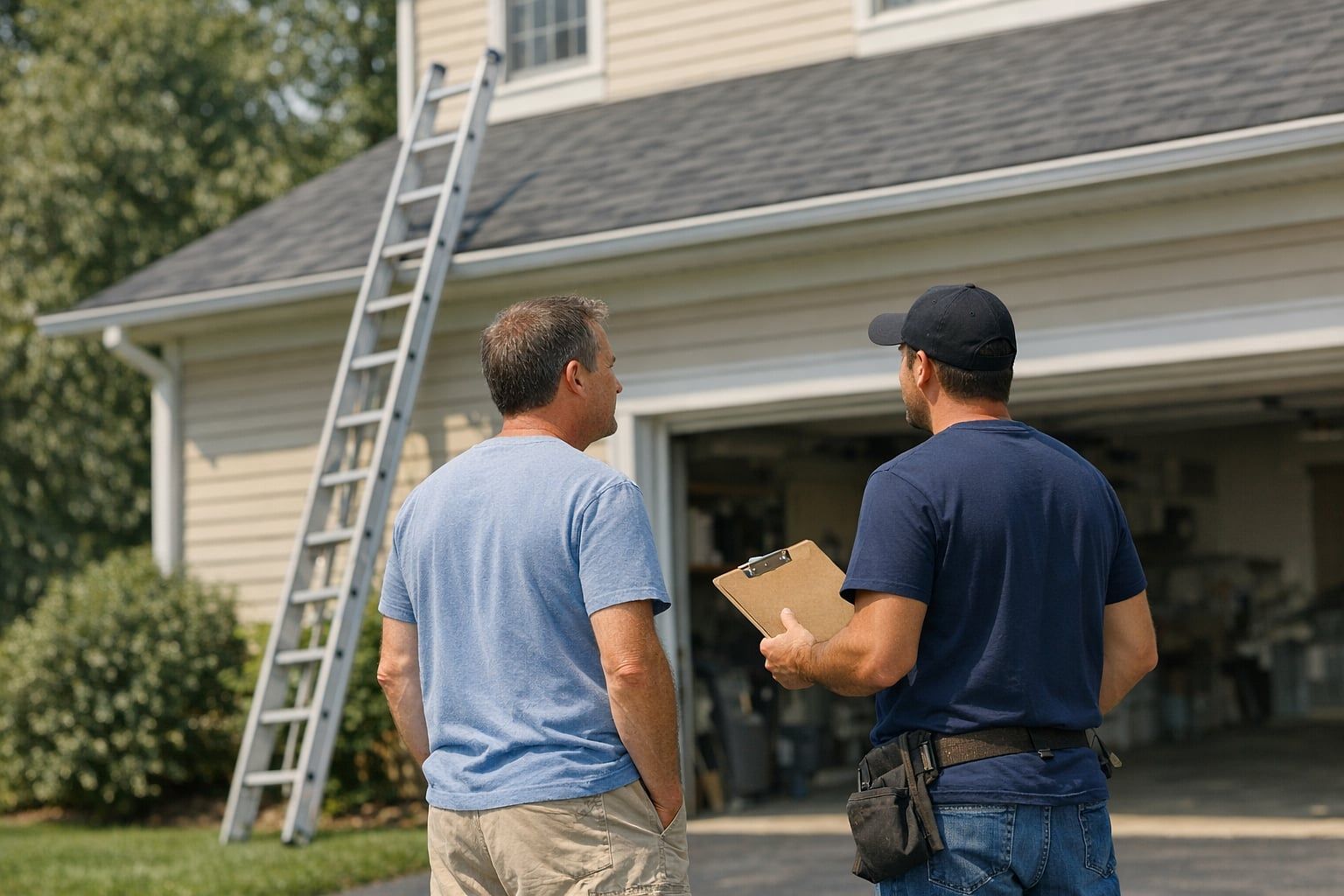
If you are not sure which of these services you need, that is exactly what an inspection is for. We will tell you whether you are looking at a repair, a replacement or a claim, and we will put it in writing.
Get a roof quote here, or call our Staunton office at (540) 885-6514. The inspection is free, you get an itemized written scope, and if the honest answer is that your roof is fine, we will tell you that instead.
Frequently Asked Questions
What roofing services are available in the Shenandoah Valley?
Local contractors generally handle five categories: roof installation and replacement, roof repair, storm damage restoration, commercial roofing, and gutter systems. Which one you need depends on the age of the roof and whether the damage is localized or widespread across the surface.
How much do roofing services cost in the Shenandoah Valley?
Repairs commonly run $300 to $2,000, and full asphalt replacements generally fall between $8,000 and $20,000 or more depending on size, pitch and material. These are planning ranges rather than quotes, since decking condition and access change the number considerably.
How do I know if I need a roof repair or a full replacement?
Repair when the damage is contained to one area and the rest of the surface is sound. Replace when granule loss and curling are widespread, when leaks keep appearing in new places, or when the roof has reached the end of its service life.
Does insurance cover storm damage roof repair in Virginia?
Sudden damage from wind or hail is generally covered, while gradual wear and age are not. Get the roof inspected and documented before filing so you know whether the damage clears your deductible and whether your policy pays replacement cost or actual cash value.
Who does commercial roofing in Staunton and Waynesboro?
We do, and it is a focus rather than a sideline. That covers standing seam and commercial metal along with flat and low-slope roofs, with a written scope and work scheduled around tenants and business hours to limit disruption.
How quickly can a roof be replaced in the Shenandoah Valley?
Most residential asphalt replacements are completed in one to three days once materials are on site, and standing seam metal typically takes three to seven. Repairs are usually same day. Weather and insurance approval affect scheduling more than the work itself.
Do you charge for a roof inspection?
No. Roof inspections are free, and that includes the outcome where we tell you the roof needs nothing right now. You get a written, itemized scope rather than a single figure, so you can see exactly what is proposed and why.