Best Roofing Companies Near Waynesboro, VA: 2026 Comparison
Searching for the best roofing company near Waynesboro produces a list of names and not much else. Review counts do not tell you whether a contractor will still exist when your warranty matters, and a polished website says nothing about how the crew flashes a chimney. The useful question is not who is best in the abstract, but which company is best for the job you actually have.
The short answer: compare on five things. Verifiable Virginia licensing and insurance, manufacturer certification that carries real requirements, a written workmanship warranty separate from the material warranty, genuine local presence in Augusta County, and a written itemized scope after someone has physically been on your roof. A company strong on all five is a safe choice regardless of which one it is.
We are one of the companies you will find in that search, so read this with that in mind. What follows is the comparison framework we would give a neighbor, including the parts where the honest answer is that another contractor might suit you better.
How to Compare Roofing Companies
Score each company you are considering against these. The pattern across the whole row matters more than any single line.
| What to compare | Why it matters | How to verify it |
|---|---|---|
| Virginia contractor license | Legal requirement, and a baseline filter | Verify the number with the state board |
| Liability and workers comp | Protects you if someone is injured | Certificate sent from their insurer |
| Manufacturer certification | Unlocks better warranty coverage | Check on the manufacturer's own site |
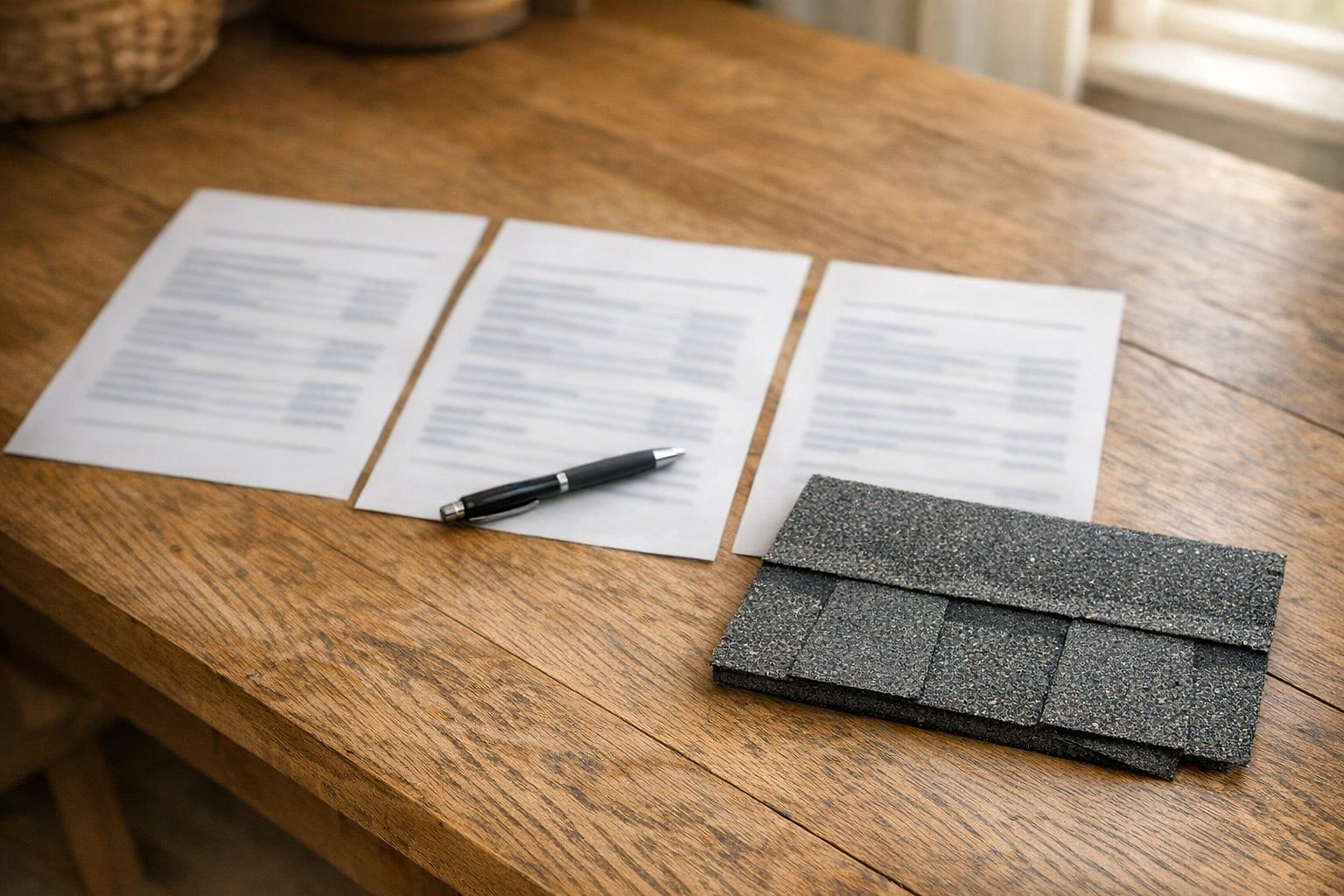
| Workmanship warranty | Covers installation, not the shingle | Ask for the document, not a verbal figure |
| Years and local presence | Determines who answers in five years | Physical local address you could visit |
| Written itemized scope | Makes estimates genuinely comparable | Compare line by line, not total to total |
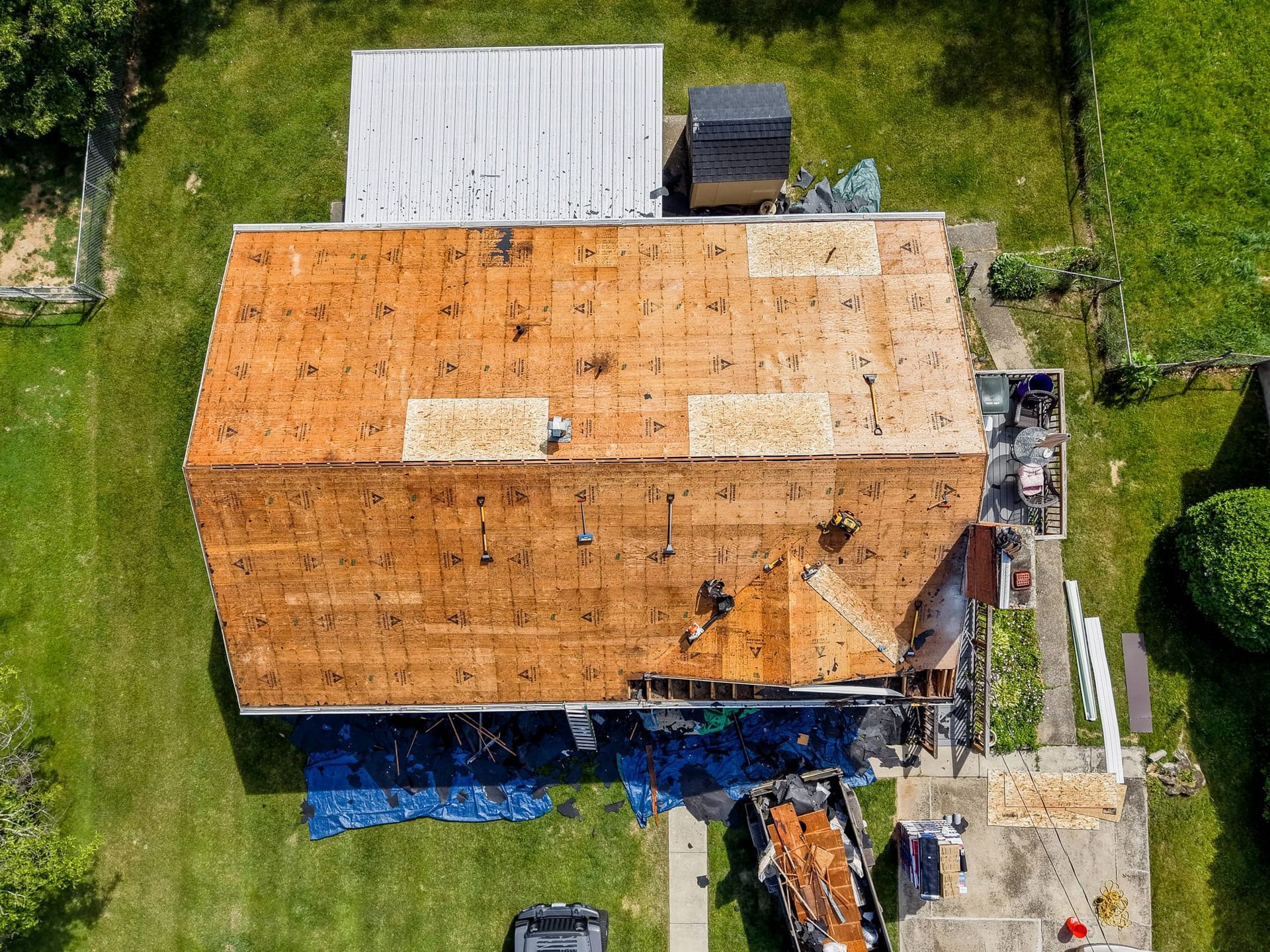
| Actually inspected the roof | A driveway diagnosis is not a diagnosis | Ask to see their photographs |
Notice what is not on that list: the lowest price, the biggest advertising presence, and the fastest promised start date. None of the three predicts whether the roof will be watertight in ten years.
Credentials That Actually Mean Something
Roofing carries a lot of badges, and they are not equivalent. Some require an audit and ongoing compliance. Others require an application form.
The distinction worth understanding is between a manufacturer's basic registration, which mostly means a contractor buys that brand's product, and a top-tier certification, which carries requirements the manufacturer actually checks. The second kind is worth weighting because it is difficult to obtain and easy to lose.
- Ask what the certification required. A credential that demanded proof of licensing, insurance, and a documented installation record means something. One that required a purchase does not.
- Ask what it unlocks. Top-tier certification usually allows enhanced warranty coverage that ordinary contractors cannot offer on the same product.
- Verify it independently. Manufacturers publish their certified contractor lists. It takes a minute to check.
- Watch for certification transfer. A credential belongs to a company. If the person you are talking to subcontracts the work, ask who is actually installing.
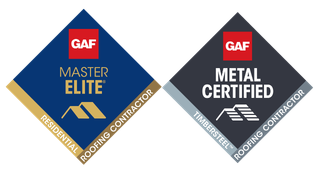
We hold GAF Master Elite certification, and it is worth being specific about what that involves rather than just naming it. GAF awards it only to contractors who are properly licensed and insured, who carry a documented record of quality installation, and who maintain that standing year after year. Fewer than two percent of roofing contractors in the country qualify. The practical consequence for a homeowner is access to the enhanced warranty coverage GAF reserves for those contractors, which is not available through an uncertified installer.
Warranties: The Two You Need
This is where comparisons most often go wrong, because two companies can both say "warranty" and mean entirely different things.
The material warranty comes from the shingle manufacturer and covers defects in the product itself. Every legitimate shingle carries one, so it does not differentiate contractors at all.
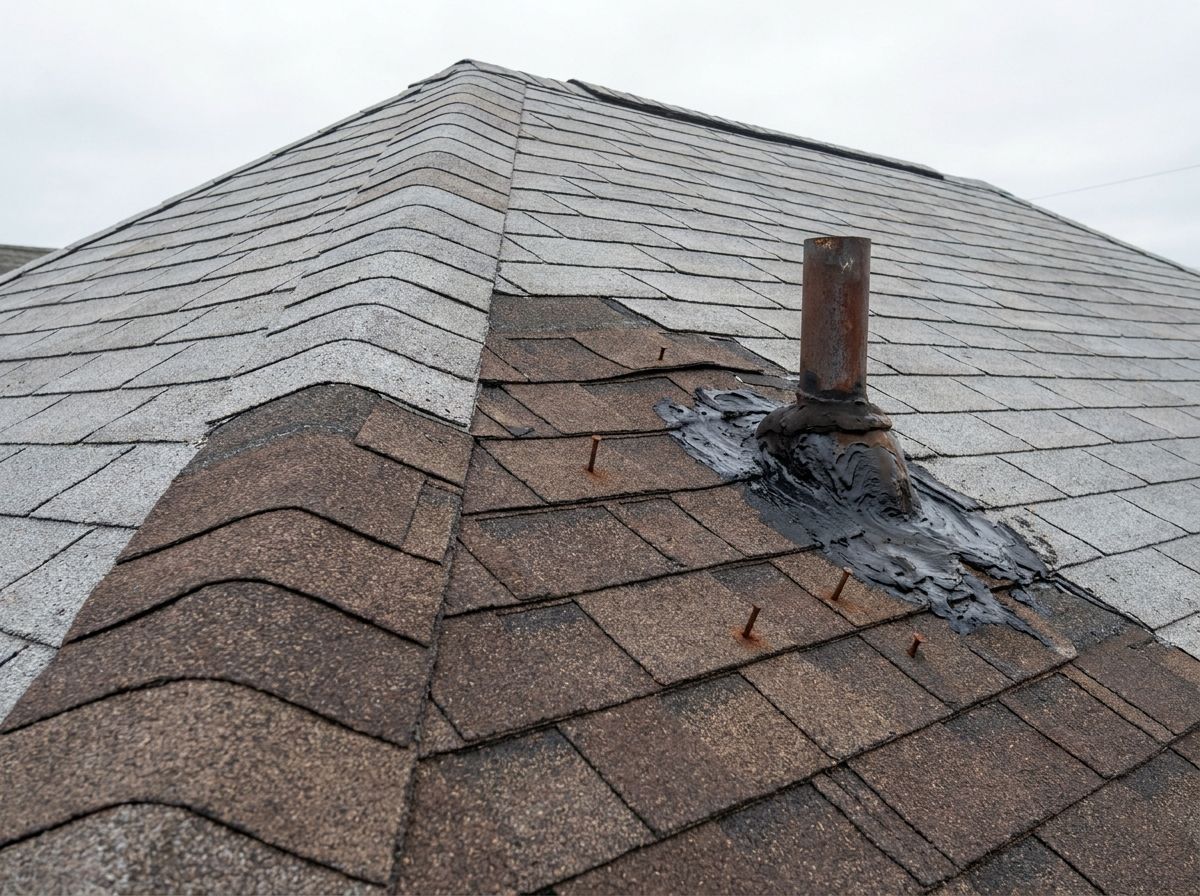
The workmanship warranty comes from the contractor and covers how the roof was installed. This is the one that matters, because the large majority of premature roof failures are installation errors rather than manufacturing defects. A nail driven in the wrong place, flashing cut short, a valley detailed badly: none of those are the shingle's fault, and none are covered by the material warranty.
When comparing, ask three specific questions. How long is the workmanship warranty. Is it written down. And what happens to it if the company goes out of business. That last question is uncomfortable and revealing, because a twenty-five year warranty from a company with no local roots is worth what you can enforce.
For reference, our workmanship warranty runs twenty-five years on GAF shingle roofs (ten years on metal roofs) and is separate from any manufacturer coverage on the materials.
Local Presence and Why It Decides the Outcome
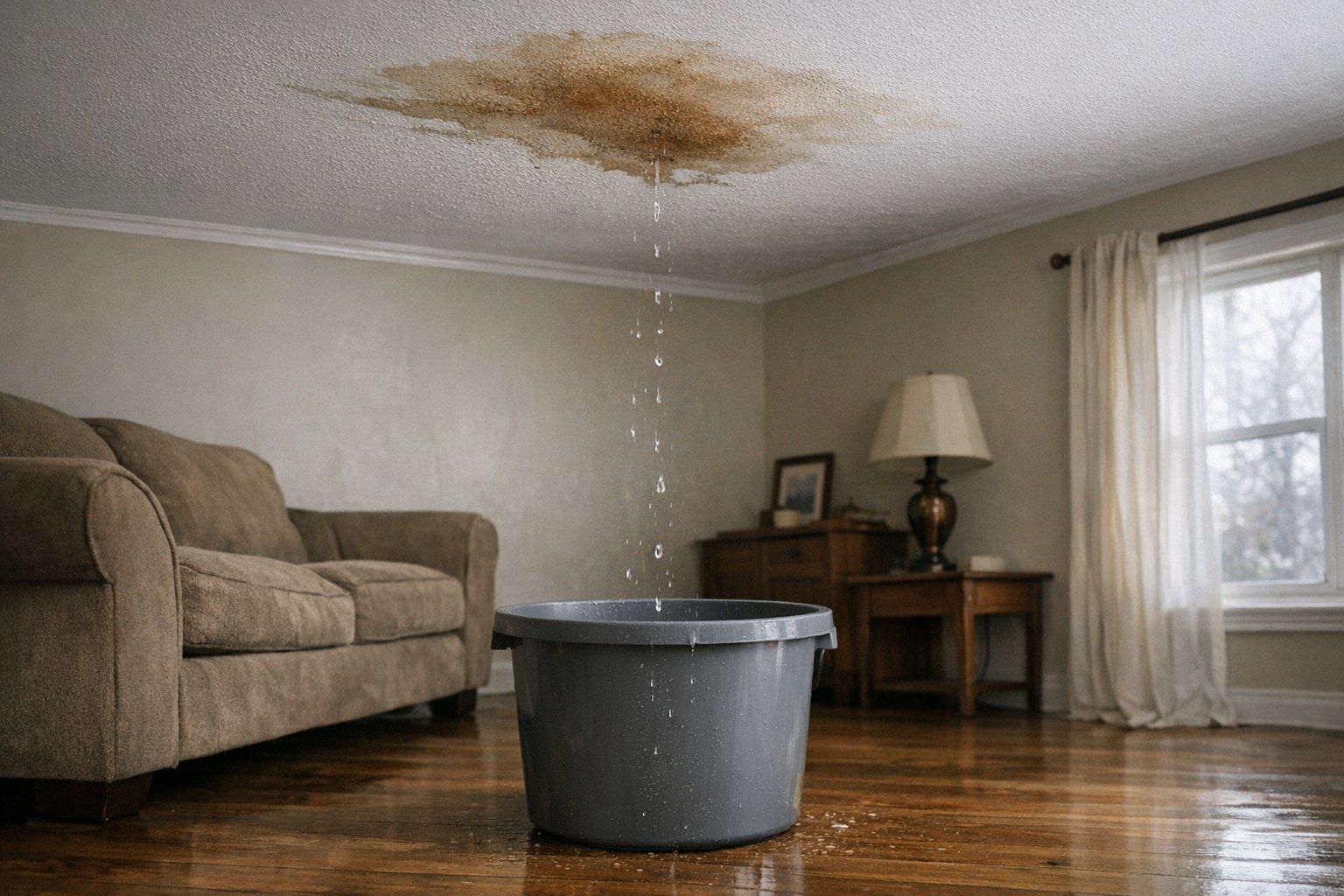
Roofing is unusual among trades in that the failure mode is delayed. A bad electrical job shows up quickly. A bad roof shows up in the third hard rain of the following spring, or the winter after that.
That delay is why local presence carries more weight in this trade than in most. The question to ask yourself is straightforward: if there is a problem in four years, who do I call, and will they answer?
It is also why review counts can mislead. Reviews are overwhelmingly written in the weeks after a job, when the roof is new and the crew was pleasant, which is precisely before the work has been tested by anything. A large number of recent five-star reviews tells you a company is good at finishing jobs and asking for reviews. It tells you very little about how their roofs are performing in year seven. Reviews that mention a company returning to honor a warranty are worth ten that mention a tidy site.
- A physical local address, not a PO box. Somewhere you could turn up.
- A track record you can see. A contractor who has worked Waynesboro and Augusta County for years can point at specific roofs.
- Ties that are hard to abandon. A family business with its name on the truck has more at stake in a dispute than a crew passing through.
- Familiarity with local conditions. Someone who has worked through a few winters here knows what to look for.
We have been roofing in the Shenandoah Valley since 1984, which is more than forty years and three generations of the same family, with two Valley locations covering Waynesboro, Staunton, Fishersville, Stuarts Draft, Verona and Augusta County. That is not a claim about quality. It is a claim about accountability, which is a different and more checkable thing.
Questions to Ask on the Estimate Visit
Comparing companies gets much easier if you ask every one of them the same questions. Their answers will differ more than their prices.
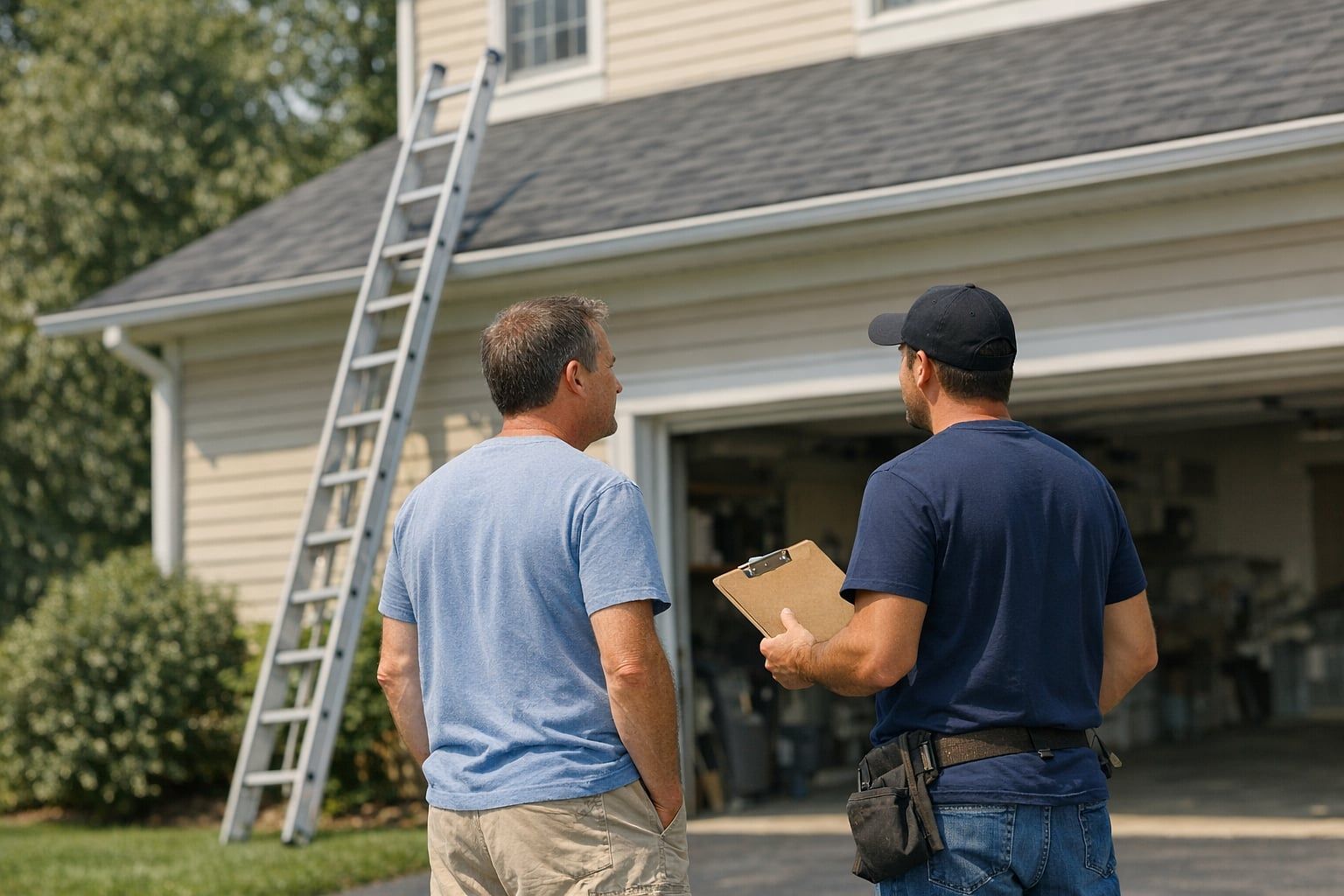
- Did you get on the roof, and can I see the photographs? This one question separates a real inspection from a sales visit.
- What specifically failed, and what is causing it? A contractor who cannot explain the cause has not diagnosed it.
- What is urgent and what can wait? A company willing to tell you something can wait until spring is showing you how they operate.
- Who does the work, your crew or a subcontractor? Neither answer is disqualifying, but you should know.
- What is your decking allowance, and at what rate? Missing decking allowances are the most common reason one estimate looks cheaper than another.
- What is not included? Disposal, permits, gutters and interior repairs are the usual omissions.
Our guide on questions to ask before hiring a roofer in Waynesboro goes into this in more depth, including the answers that should reassure you and the ones that should not.
Storm Damage and How a Company Handles Insurance
If your roof was damaged in a storm, how a contractor handles insurance becomes one of the most important points of comparison, and the practices vary enormously.
What good looks like: they inspect the roof, document damage with photographs, give you a written assessment, and support you through the claim. They can meet your adjuster on site and explain what they found. The claim stays yours throughout.
What should concern you: a company that wants to take over the claim, that asks you to sign over your insurance benefits before an inspection has happened, or that offers to cover your deductible. That last one is a proposal to defraud your insurer, and it puts your coverage at risk as well as theirs.
The practical advice is the same regardless of who you hire. Get an independent inspection before you contact your insurer, so you know what happened to your roof before anyone else characterizes it. We offer free inspections for this reason, and our guide to filing a storm damage roof claim in Virginia covers the sequence.
Where Baber Fits
Rather than tell you we are the best, here is where we are genuinely strong and where another contractor might suit you better.
- GAF Master Elite certified, with the enhanced warranty coverage that certification unlocks. Fewer than two percent of contractors nationally hold it.
- 25-year workmanship warranty on GAF shingle roofs (10 years on metal roofs), in writing, separate from material coverage.
- Since 1984, three generations, two Valley locations. If something needs revisiting in a decade, we are reachable.
- Free roof inspections, with photographs, including for storm damage.
- Financing available, which matters because roofs rarely fail at convenient moments.
- Where we may not fit: if you need work well outside our service area across Augusta County, Rockingham County and Charlottesville, a contractor closer to you will serve you better on response times, and we would rather say so.
Get a Free Roof Inspection in Waynesboro
The most useful next step is not more searching. It is having two or three companies inspect the roof and put their findings in writing, then comparing what they say rather than what they charge.
Call our Waynesboro office at (540) 712-3512 to book a free inspection. We will get on the roof, photograph what we find, tell you what is urgent and what is not, and give you an itemized scope you can hold against anyone else's.
Frequently Asked Questions
How do I choose the best roofing company near Waynesboro, VA?
Compare on verifiable Virginia licensing and insurance, manufacturer certification with real requirements, a written workmanship warranty, genuine local presence, and whether they physically inspected the roof before quoting. Get the same information from each company so the comparison is like for like rather than price against price.
What certification should a roofing contractor have?
Look for top-tier manufacturer certification rather than basic registration. The difference is that top-tier programs require proof of licensing, insurance and a documented installation record, and they unlock enhanced warranty coverage that uncertified installers cannot offer. You can verify any claimed certification on the manufacturer's own website.
How many roofing estimates should I get?
Three is the practical number. Two gives you no way to tell which is the outlier, and more than three rarely adds information. Ask each contractor the same questions so you are comparing scope and diagnosis rather than only the total at the bottom.
Does a longer warranty mean a better roofing company?
Not on its own, because a warranty is only worth what you can enforce. A twenty-five year workmanship warranty from a company with deep local roots is worth considerably more than the same figure from a contractor with no permanent local presence. Ask what happens to the warranty if the company goes out of business.
Should I hire a roofer who knocks on my door after a storm?
Be cautious. A knock on the door is not a red flag by itself, since legitimate local contractors canvass after storms too. Pressure to sign on the spot, a demand for payment up front and no local address are. Take the information, then research the company independently and get estimates from contractors you approached yourself before making any commitment.
What is the difference between a material warranty and a workmanship warranty?
The material warranty comes from the shingle manufacturer and covers product defects, so it does not differentiate contractors. The workmanship warranty comes from the contractor and covers installation, which is where most premature roof failures actually originate. You want both, and you want the second one in writing.
Do roofing companies charge for an inspection?
Practice varies, but a free inspection is common and reasonable to expect. What matters more is what the inspection produces: someone physically on the roof, photographs of what they found, and a written assessment. An estimate produced without any of that is not based on much.