How to Choose a Roofing Contractor in Waynesboro, VA (2026)
Choosing a roofing contractor in Waynesboro is not a decision you make often, which is exactly why it feels stressful when the time comes. You are handing someone thousands of dollars and trusting them to protect your home from the weather. Get it right and you forget about your roof for decades. Get it wrong and you pay twice.
The good news is that separating a solid contractor from a risky one comes down to a repeatable process: verify their credentials, get detailed written quotes, ask the right questions, and watch for a handful of red flags. Do those four things and you will filter out most of the trouble before it starts.
This guide walks through that process step by step, so you can hire your Waynesboro roofer with confidence instead of crossed fingers.
Quick Answer: The 5-Step Process
Here is the short version. The rest of the guide expands on each step.
- Verify credentials: Virginia license, insurance, and manufacturer certification
- Check their track record: years in business and local reputation
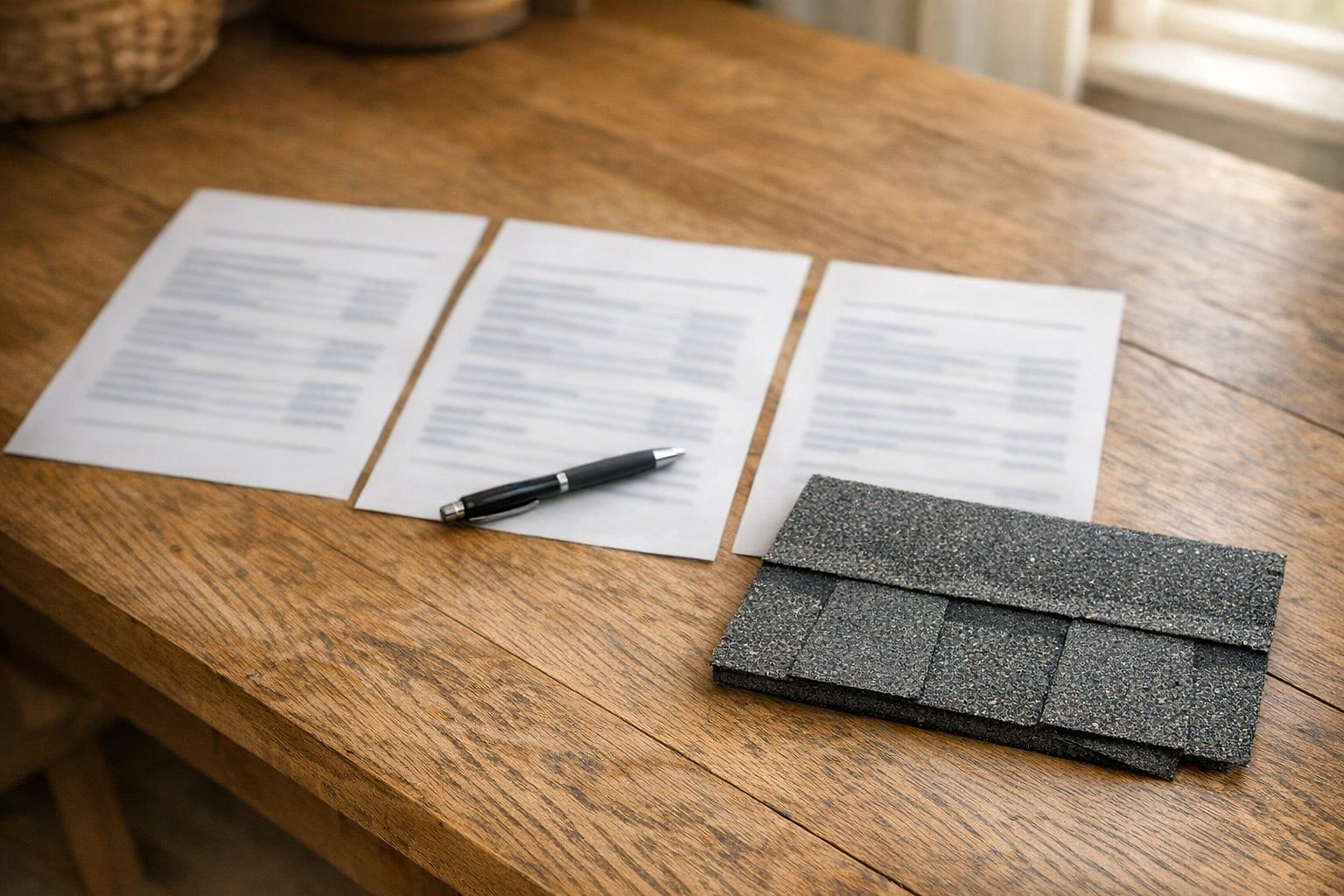
- Get detailed written quotes: from two or three contractors, on the same scope
- Ask the right questions: warranty, timeline, crew, and process
- Watch for red flags: pressure tactics, vague pricing, and storm-chasers
A contractor who passes all five is one you can hire without second-guessing.
Here is the same idea as a quick side-by-side of what a good contractor looks like versus one to avoid:
| Green flags (hire) | Red flags (avoid) |
|---|---|
| Shows proof of license and insurance | Cagey about credentials |
| GAF Master Elite or similar certification | No manufacturer certification |
| Years of local history in the Valley | Appeared right after a storm |
| Detailed, itemized written quote | Vague or verbal-only pricing |
| No-pressure, answers your questions | Pressure to sign today |
| Reasonable deposit and clear terms | Large deposit demanded upfront |
Step 1: Verify Credentials Before Anything Else
Before you talk price, confirm the contractor is legitimate. In Virginia, that means three things:
- A valid Virginia contractor license. This is your baseline. Unlicensed work can void warranties and create liability.
- Full insurance. Both liability and workers' compensation. If someone is hurt on your property and the contractor is uninsured, you can be held responsible.
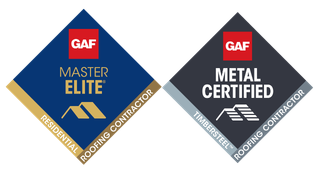
- Manufacturer certification. Credentials like GAF Master Elite are held by less than 2% of roofing companies and signal a proven, properly trained installer.
A reputable Waynesboro contractor will provide proof of all three without hesitation. If a company gets cagey when you ask, that is your answer. You can also confirm a contractor's license through Virginia's Department of Professional and Occupational Regulation, which takes only a few minutes and confirms the license is current and in good standing. It is a small step that quietly rules out a lot of trouble.
Step 2: Look at the Track Record
Anyone can print business cards. What you want is a contractor with real history in the Shenandoah Valley.
Years in business matter because roofing warranties can run 25 years or more, and a warranty is only as good as the company standing behind it. A contractor who has served Waynesboro, Staunton, and Augusta County for decades is far more likely to be around when you need them than one that appeared last spring.
Local roots also mean accountability. An established company's reputation in the community rides on every job, which is a powerful incentive to do the work right. This is the single biggest reason to favor a local contractor over an out-of-town crew that follows storms from state to state.
Step 3: Get Detailed Written Quotes
Never hire off a number scribbled on the back of a card. A proper quote is itemized and in writing, and it should spell out:
- Tear-off and disposal of the old roof
- New underlayment, flashing, and drip edge
- Ventilation components
- The specific shingle brand and product line
- Labor and cleanup
- Warranty terms for both materials and workmanship
Get two or three of these and compare them on the same scope. If one quote is dramatically cheaper, the difference is almost always in what was left out, like skipping underlayment or reusing old flashing. That is not a bargain. It is a future leak. Comparing detailed quotes side by side is how you spot the real value.
Step 4: Ask These Questions
The right questions tell you a lot about who you are dealing with. Before you sign, ask:
- Are you licensed and insured in Virginia, and can I see proof?
- What manufacturer certifications do you hold?
- What warranty comes with the roof, on both materials and workmanship?
- Will you handle the permit?
- Who will actually be on my roof, your crew or subcontractors?
- What happens if you find rotted decking after tear-off?
- What is your timeline, and how do you handle weather delays?
- Do you offer financing?
A confident, established contractor answers these clearly and without defensiveness. Vague or dismissive answers are a signal to keep looking.
Step 5: Watch for These Red Flags
Some warning signs should stop you cold, no matter how good the price sounds:
- High-pressure sales tactics or "sign today or the price goes up"
- Large deposits demanded upfront before any work begins
- Vague or verbal-only pricing with no itemized written quote
- No verifiable license or insurance
- Out-of-town operators who showed up right after a storm
- Prices far below every other quote you received
Any one of these is worth pausing over. Several together mean walk away. The best contractors do not need pressure or gimmicks, because the quality of their work and their reputation do the selling.
It is also worth trusting your instincts on the deposit. A reasonable down payment to cover materials is normal, but a contractor demanding a large share of the total before any work begins is a warning sign. Reputable roofers are established enough that they do not need most of your money upfront, and they are happy to put the payment schedule in writing. If something about the pitch feels rushed or off, that feeling is worth listening to on a purchase this size.
After You Choose: What to Expect Next
Once you have picked a contractor, a well-run roofing project follows a predictable path. Knowing the sequence helps you spot whether your contractor is handling things the right way.
- Written agreement and permit. You sign a detailed contract, and the contractor pulls any required permit before work begins.
- Scheduling. You get a start date and a realistic timeline, with a plan for weather delays. Most residential roofs in the Waynesboro area are completed in one to three days.
- Material delivery and protection. Materials arrive, and the crew protects landscaping, siding, and windows before tear-off.
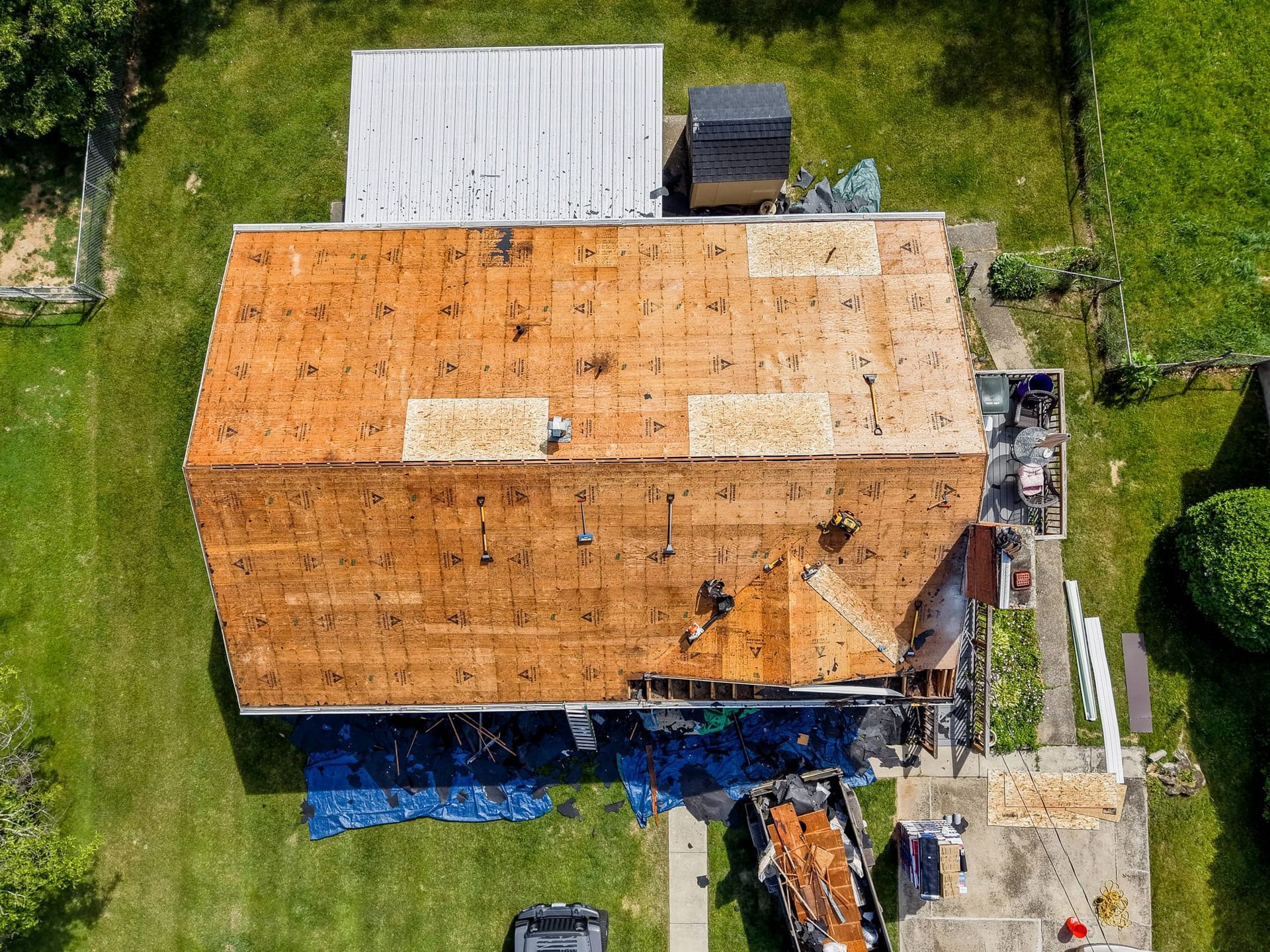
- Tear-off and inspection. The old roof comes off and the decking is inspected. If rotted decking turns up, a good contractor shows you and explains the added cost before proceeding.
- Installation. New underlayment, flashing, ventilation, and shingles go on to manufacturer standards.
- Cleanup and final walkthrough. The crew cleans the site, runs a magnet for stray nails, and walks the finished job with you.
A contractor who communicates clearly at each of these stages is doing it right. Surprises, silence, or shortcuts at any step are worth questioning. This is where all the vetting you did up front pays off, because a good contractor makes the actual project feel almost uneventful.
What About Insurance Claims?
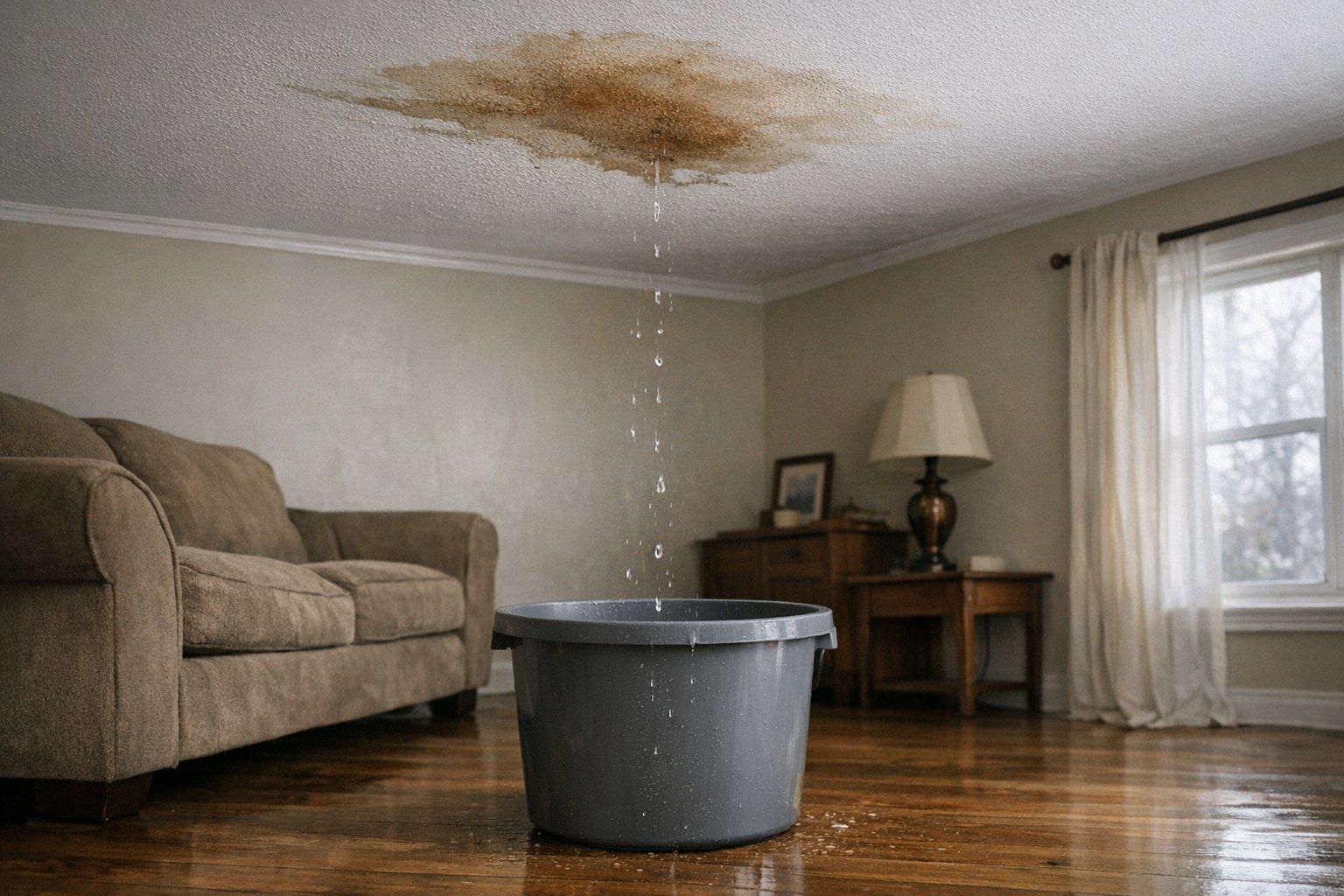
If storm damage is part of your situation, the contractor you choose should be able to guide you through it honestly. Homeowners insurance generally covers roof work when the damage comes from a sudden covered event like wind or hail, rather than from age and normal wear.
A trustworthy Waynesboro contractor will inspect your roof, tell you plainly whether the damage is storm-related, and help you understand your options, without promising to "handle" your insurance company or steering you into a claim likely to be denied. Baber Enterprises offers free roof inspections to help homeowners sort genuine storm damage from ordinary wear before any claim is filed.
Why Waynesboro Homeowners Choose Baber Enterprises
For more than 40 years, Baber Enterprises has helped homeowners across Waynesboro, Staunton, Fishersville, and Augusta County make confident roofing decisions. Three generations of our family have built the company on exactly the kind of honest, no-pressure service this guide describes.
We are a GAF Master Elite contractor, a certification held by less than 2% of roofing companies in the country, which lets us back our work with enhanced manufacturer warranties. When you choose Baber, you get:
- Three generations of Shenandoah Valley roofing experience
- GAF Master Elite certification and stronger warranties
- Licensed and insured local crews, not subcontracted storm-chasers
- Detailed written quotes and transparent pricing
- Honest repair-versus-replace assessments
- Financing options for qualified homeowners
We proudly serve Waynesboro, Staunton, Fishersville, Stuarts Draft, Augusta County, and the surrounding Shenandoah Valley.
Schedule Your Free Roof Inspection in Waynesboro, VA
The easiest way to see whether a contractor is right for you is to watch how they treat you before you have committed to anything. Baber Enterprises offers free, no-pressure roof inspections for homeowners throughout Waynesboro, Staunton, Fishersville, Augusta County, and the wider Shenandoah Valley.
We will assess your roof honestly, answer every question in plain language, and hand you a clear, written estimate. If storm damage is involved, we will explain the insurance side. If financing would help, we will walk through that too.
Call Baber Enterprises today or request your free inspection online, and choose your roofer with confidence.
Frequently Asked Questions
How do I choose a roofing contractor in Waynesboro, VA?
Choose a roofing contractor in Waynesboro by verifying their Virginia license and insurance, confirming manufacturer certification like GAF Master Elite, checking their local track record, and getting detailed written quotes. Ask about warranties, crew, and timeline, and watch for red flags like pressure tactics and vague pricing.
What credentials should a roofing contractor have in Virginia?
A roofing contractor in Virginia should hold a valid Virginia contractor license, carry both liability and workers' compensation insurance, and ideally hold manufacturer certification such as GAF Master Elite. A reputable contractor provides proof of all of these on request without hesitation.
What questions should I ask a roofer before hiring?
Ask whether they are licensed and insured in Virginia, what certifications they hold, what warranty covers materials and workmanship, who will be on your roof, how they handle rotted decking, their timeline, and whether they offer financing. Clear, confident answers signal an established contractor.
What are red flags when choosing a roofing contractor?
Red flags include high-pressure sales tactics, large upfront deposits, vague or verbal-only pricing, no verifiable license or insurance, out-of-town operators who appeared after a storm, and prices far below every other quote. Any of these is reason to pause, and several together mean walk away.
Should I get more than one roofing quote?
Yes. Getting two or three written quotes for a major purchase like a roof is smart, as long as each covers the same scope of work. Comparing detailed quotes side by side reveals whether a low price reflects genuine value or skipped steps like missing underlayment or reused flashing.
Is a local roofing contractor better than an out-of-town one?
For most Waynesboro homeowners, yes. A local contractor is still in the community when you need a warranty honored or a question answered, and their reputation depends on every job. Out-of-town crews that chase storms often leave the area before any problems with the work appear.
How long does a roof replacement take once I hire a contractor?
Most residential roof replacements in the Waynesboro area are completed in one to three days, depending on roof size, complexity, and weather. A good contractor gives you a realistic timeline before starting and keeps you informed about any weather delays rather than leaving you guessing about when the job will be done.