Hidden Costs of Roof Replacement Most Homeowners Miss
The hidden costs of a roof replacement are almost always the same handful of items: rotted decking under the old shingles, extra layers to tear off, flashing and vents that need replacing, ventilation corrections, code-required upgrades, and damage inside the house from leaks that were never fixed. None of them are truly hidden. They are simply left off estimates that are written to look low.
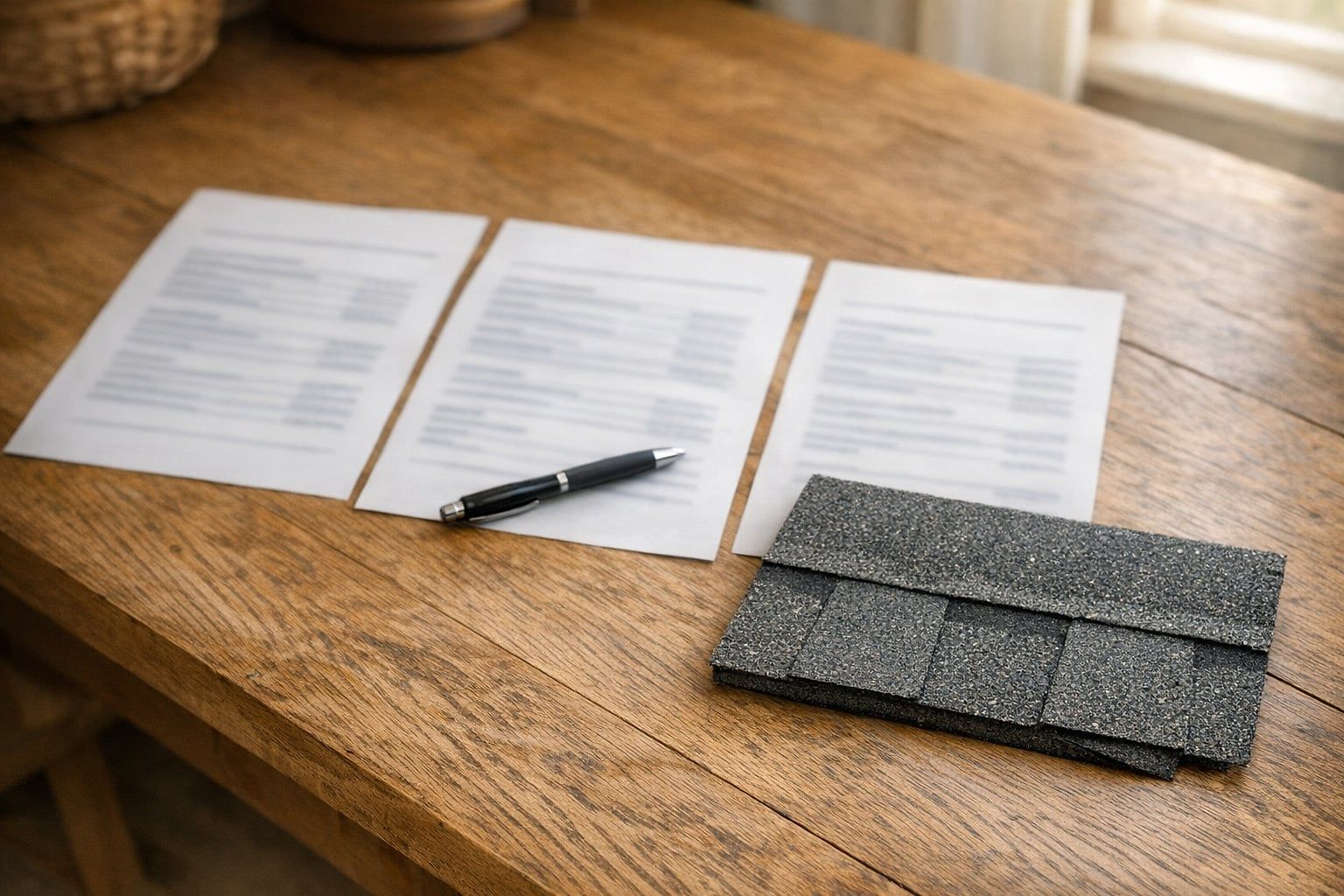
That is the nuance worth understanding before you sign. The quote you sign and the invoice you pay can differ, and the difference is rarely fraud. More often it is an estimate that priced the visible roof and said nothing about what sits underneath it. When the old roof comes off and the surprises appear, the cost lands on a change order with your house already open to the sky.
This guide walks through each of those costs, why it gets missed, and how to make sure it is on paper before the job starts. We have been in business since 1984, and the most useful thing we can tell any homeowner is that a complete estimate is the cheapest kind in the end.
Hidden Roof Replacement Costs: Quick Answer
| Hidden cost | Why it gets missed | How to see it coming |
|---|---|---|
| Rotted decking | Invisible until the old roof is off | Ask how decking is handled and priced, in writing |
| Extra shingle layers | Not obvious from the ground | Ask how many layers are being removed |
| Flashing and pipe boots | Often quietly reused | Ask for replace or reuse, item by item |
| Ventilation fixes | Treated as optional | Ask whether attic ventilation was checked |
| Code and underlayment upgrades | Left out of low bids | Ask what current code requires at the eaves and valleys |
| Interior leak damage | Not part of the roof scope | Check the attic and ceilings before work starts |
| Gutter work | Separate trade, separate quote | Ask whether gutters come off and go back on |
Rotted Decking: The Biggest Unknown
Decking is the plywood or board sheathing your shingles are nailed to. It is the foundation of the whole roof, and it is the one part nobody can inspect fully until the old shingles are stripped. That is why it is the most common source of a surprise on the final invoice.
- Where it rots. Around chimneys, in valleys, along the eaves where ice dams form, and anywhere a slow leak has been feeding water into the wood for a season or two.
- Why it cannot be skipped. Shingles nailed into soft or delaminated decking do not hold. A new roof over bad decking fails early, and the workmanship warranty that covers it becomes a fight.
- How a fair estimate handles it. It states how damaged decking is identified, how the replacement is priced, and how you will be told before it is done.
- How a thin estimate handles it. It says nothing, so the cost arrives later as an add-on you have little room to negotiate.
Some older homes have original board decking with gaps between the planks. Depending on its condition, some shingle systems require it to be overlaid with new sheathing. That is a legitimate cost, and it is far better discussed at the kitchen table than on the roof.
Tear-Off Layers and Disposal
Some homes carry two layers of shingles, from a time when roofing over an old roof was common practice. A second layer adds weight, hides decking problems and doubles the tear-off labor. It also doubles the debris.
- Layer count. A good estimate states how many layers are coming off. If it does not, ask.
- Disposal. Dumpster fees and landfill charges rise with the volume of material, and they should be written into the scope.
- Cleanup. A magnetic sweep for nails across the yard and driveway should be standard, not extra.
- Access. A steep roof, a tight lot, or a house surrounded by mature trees takes more time and staging, which affects labor.
- Overlay offers. A quote that installs new shingles over the old ones looks cheaper, but it shortens the new roof's life and can complicate manufacturer warranties.
It helps to think of the tear-off as the moment the estimate meets reality. Up to that point, everyone is working from what can be seen from the ground, the roof surface and the attic. Once the old material is off, the decking, the old flashing and any past patch work are all visible at once. A contractor who has explained in advance what happens next, and who stops to show you anything unexpected, turns that moment into a short conversation rather than a dispute.
Flashing, Pipe Boots and Ventilation
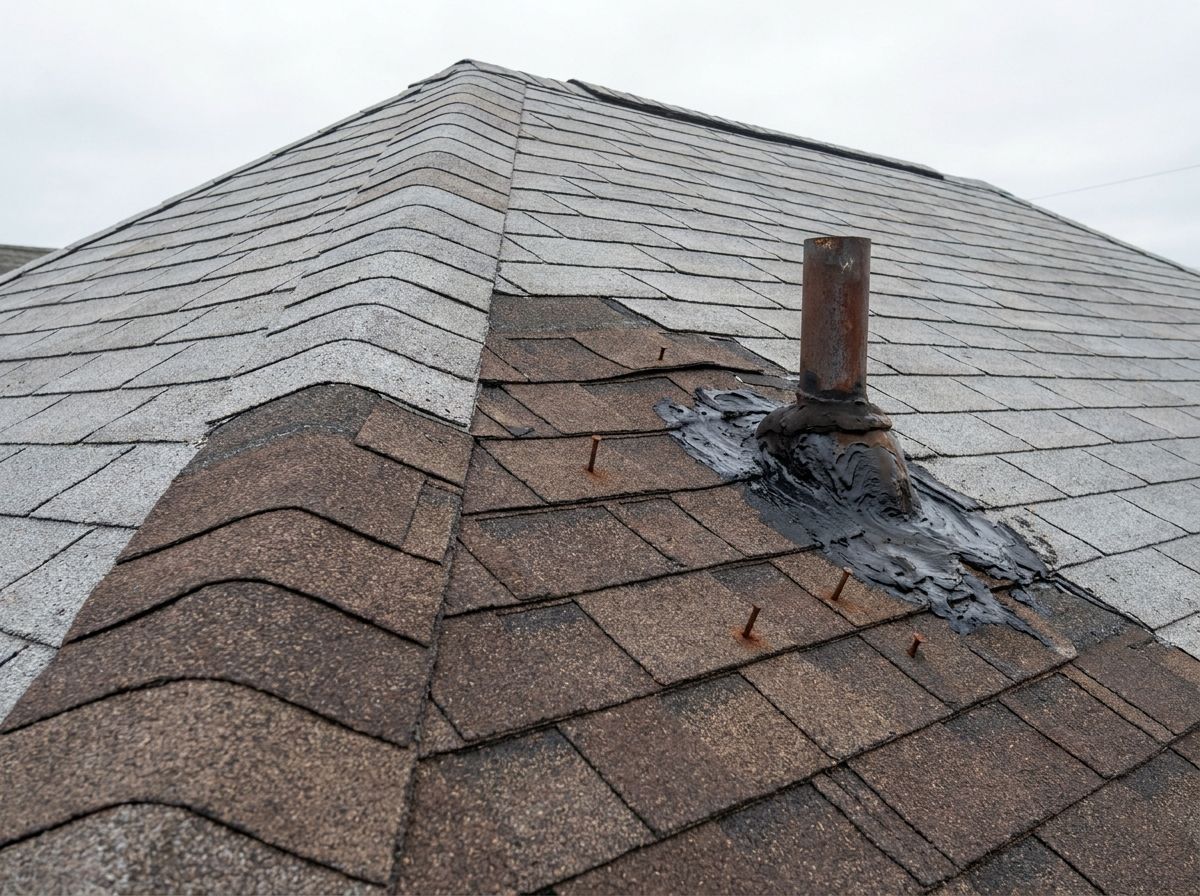
Flashing is the metal that seals the joints where the roof meets a chimney, a wall, a skylight or another slope. Pipe boots seal around plumbing vents. These details cause most leaks, and they are also the easiest items for a low estimate to reuse without saying so.
- Chimney flashing. On older homes, the original step and counterflashing often outlasts its useful life. Replacing it properly takes time and skill.
- Pipe boots. Rubber collars crack in the sun. New boots on a new roof are cheap insurance against a leak in year three.
- Drip edge. The metal strip at the roof edge that steers water into the gutter. Sometimes omitted from bids entirely.
- Ventilation. An attic that cannot breathe cooks shingles from below in summer and traps moisture in winter. Correcting it may mean adding ridge vent or intake vents.
- Skylights. A new roof is the right moment to reflash or replace an old skylight, and the wrong moment to discover it leaks.
Ask each contractor to say, item by item, whether flashing, boots and vents are being replaced or reused. Silence on the estimate usually means reuse.
Code Requirements and Underlayment
Building codes in Virginia set minimum standards for roofing, including how the underlayment is installed and what goes at the eaves and in the valleys. Where freeze and thaw cycles and ice dams are a winter risk, as they are in the Shenandoah Valley, ice and water protection at the eaves and valleys belongs on a properly built roof.
- Underlayment type. Synthetic underlayment versus older felt, and how much of the roof it covers.
- Ice and water shield. A self-adhering membrane along the eaves, valleys and around penetrations that stops water driven under shingles by ice dams.
- Permits. Whether a permit is needed in your locality, and who pulls it.
- Manufacturer installation requirements. Shingle warranties depend on the product being installed to the manufacturer's specification, including fastening and starter courses.
A bid that leaves these out is not cheaper. It is incomplete, and the gap tends to show up either as a change order or as a roof that does not perform the way it should. Our roof replacement cost guide for Augusta County explains how these pieces fit into the full price of a new roof.
Costs Inside the House and Around It
Some costs of a roof replacement have nothing to do with the roof itself. They come from the years the old roof was leaking, or from the trades that touch the roofline.
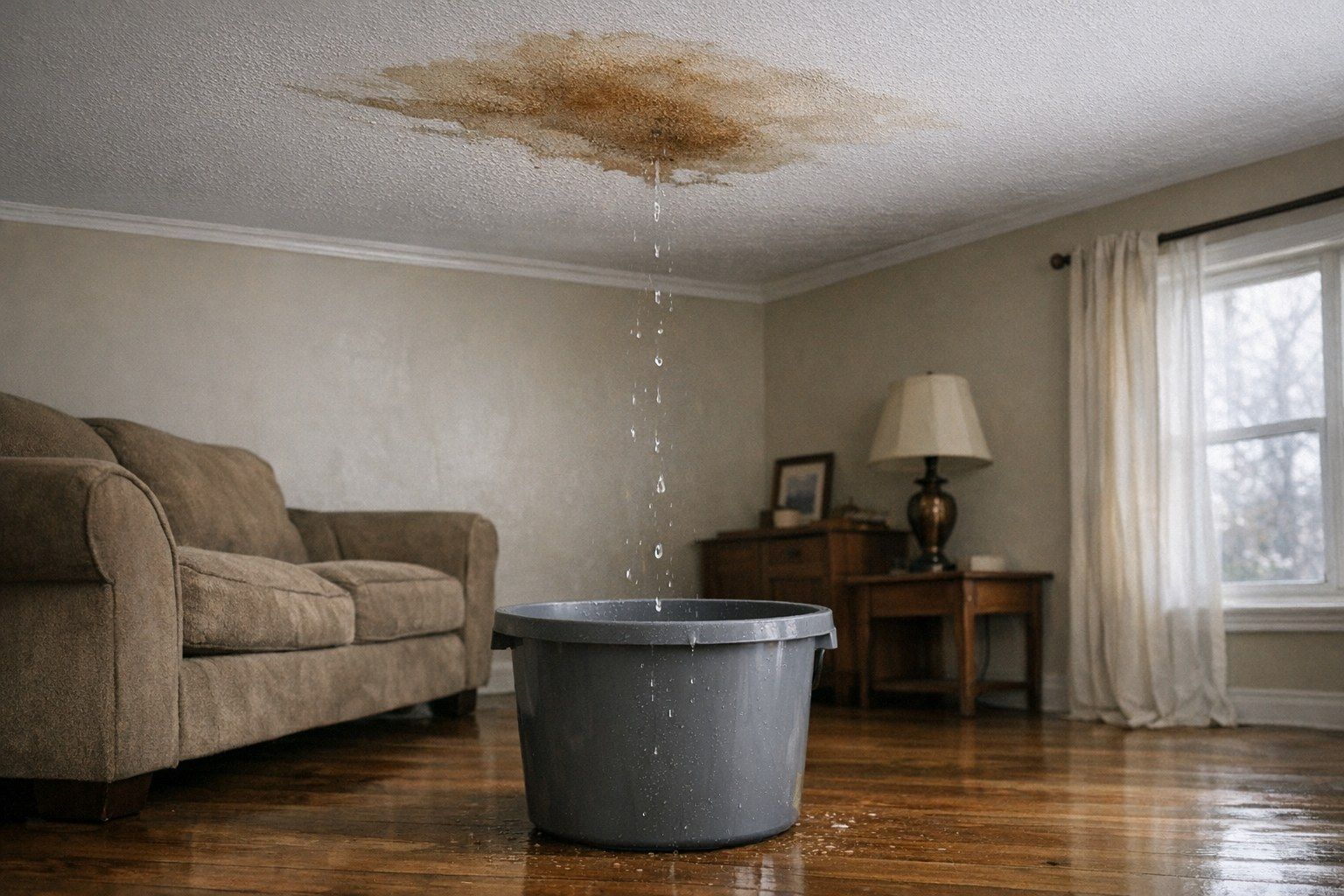
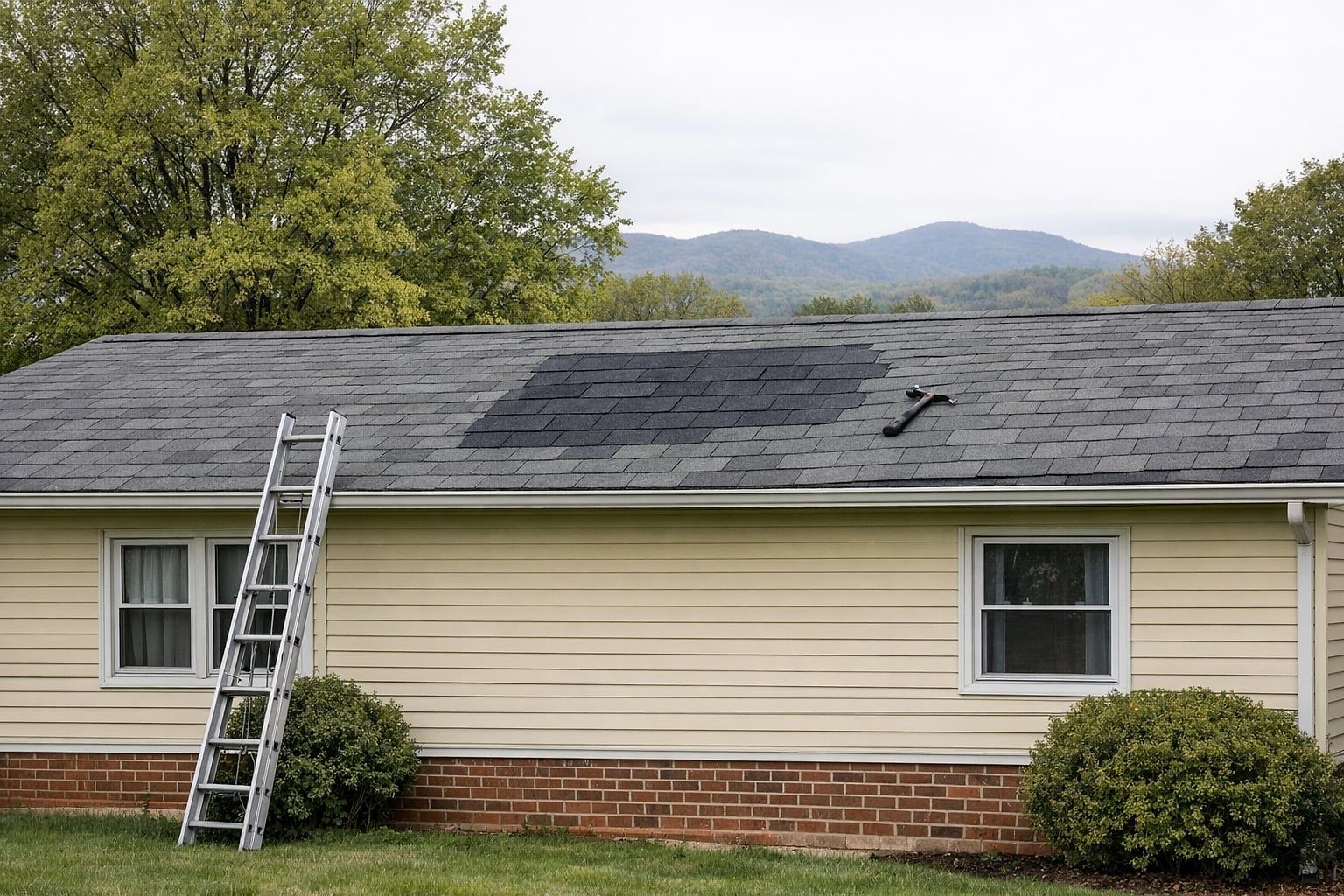
- Interior repairs. Stained drywall, wet insulation and damaged ceilings from old leaks are not part of a roofing scope, but they often need attention once the roof is sound.
- Gutters. Gutters may need to come off and go back on, and old ones are often replaced at the same time.
- Satellite dishes and solar. Anything mounted to the roof has to be removed and reinstalled, sometimes by a different company.
- Landscaping protection. Tarping beds and protecting shrubs near the drip line is part of a careful job, and worth confirming.
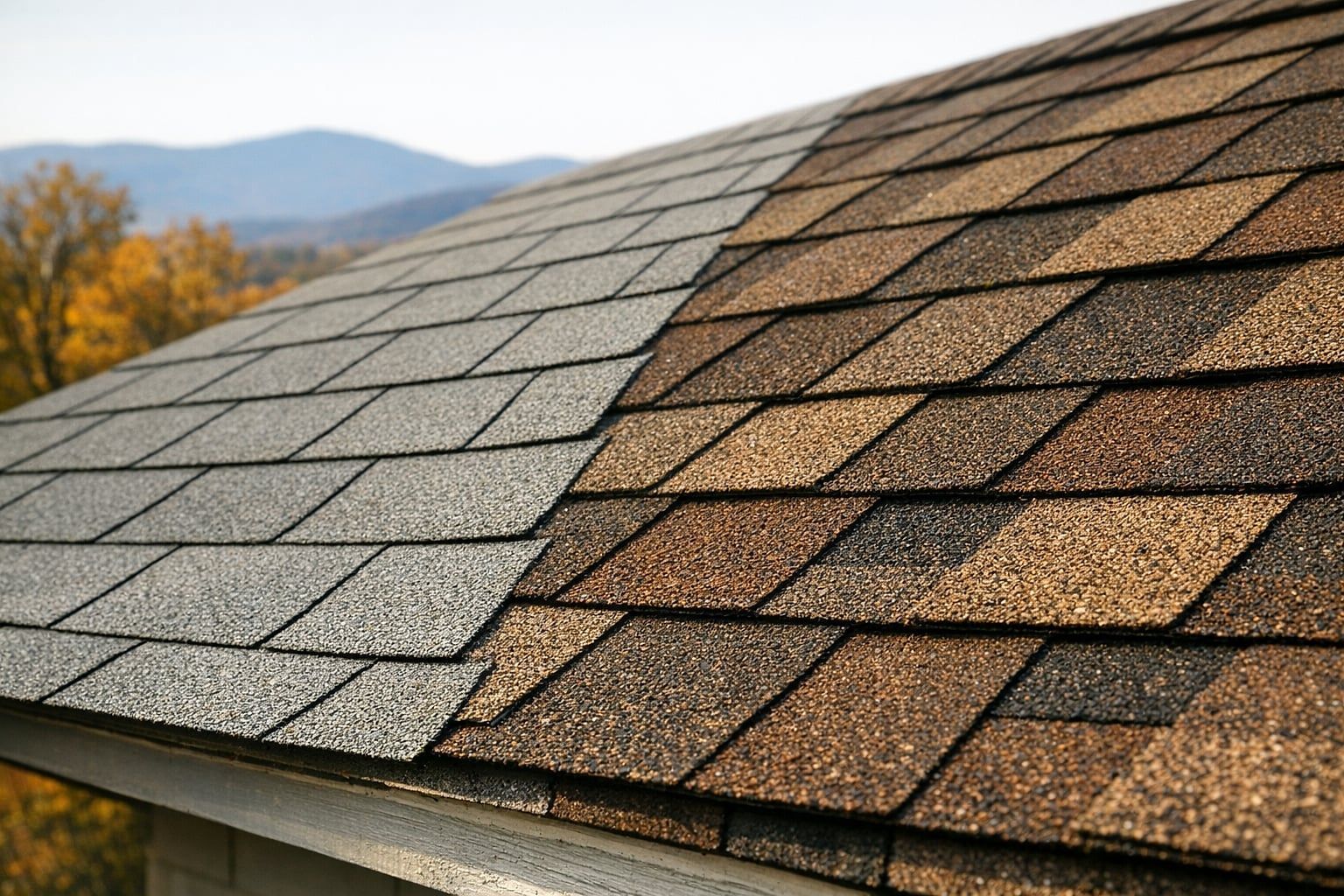
- Material choice changes. Moving from asphalt shingles to standing seam metal, for example, changes the whole budget, not just one line.
A useful habit before any roof replacement in Waynesboro, Stuarts Draft or Harrisonburg is a quick walk through the attic with a flashlight. Water stains on the rafters or sheathing tell you, and your contractor, where to expect decking work before anyone climbs a ladder.
Can Insurance or Financing Cover the Surprises?
Whether an unexpected cost is covered depends on why the roof is being replaced. If the replacement follows storm damage, the insurance scope should include the work needed to restore the roof properly, and items an adjuster misses can often be documented and submitted as a supplement.
- Storm damage claims. Code-required items, decking damaged by the storm, and flashing that must be replaced to complete the repair are commonly part of a properly documented claim.
- Wear and age. A roof replaced because it is old is generally not an insurance matter, so the full cost sits with the homeowner.
- Documentation matters. Photos of decking and flashing taken during tear-off support a supplement request.
- Financing. When the complete scope is more than the budget allowed for, financing is available so you do not have to choose the incomplete estimate to make the numbers work. See our roof financing options.
Why Homeowners Trust Baber Enterprises
Here is what you can verify about us before you compare any estimate.
- In business since 1984. Over 40 years, three generations of the same family, with offices in Staunton and Waynesboro.
- GAF Master Elite certified. Master Elite is a manufacturer certification from GAF, and it is held by under 2% of roofing contractors. It is GAF's designation, earned from the manufacturer, not a title we gave ourselves. It requires rigorous training and proven quality, and it gives our customers access to GAF's Golden Pledge warranty.
- 25-year workmanship warranty on GAF shingle roofs (10 years on metal roofs).
- Free roof inspections.
- Financing available for the complete job.
Get a Complete Roof Replacement Estimate in Staunton
If you are planning a roof replacement and want the decking, flashing, ventilation and disposal questions answered before the work starts, call our Staunton office at (540) 885-6514. We offer free roof inspections, and financing is available for the complete job. You can also read more about our shingle roof replacement service.
Frequently Asked Questions
What are the hidden costs of a roof replacement?
The usual ones are rotted decking, extra shingle layers to tear off, flashing and pipe boots that need replacing, attic ventilation corrections, code-required underlayment, disposal, and interior repairs from past leaks. Most can be anticipated in a complete written estimate, even when the exact amount of decking cannot be known until tear-off.
Why did my roof replacement cost more than the estimate?
Usually because something the estimate did not cover was found during the job, most often damaged decking or a second layer of shingles. A complete estimate states how those items are handled and priced in advance, so the final invoice matches what you agreed to rather than a later change order.
How do I know if my roof decking needs to be replaced?
Signs include soft or spongy spots when the roof is walked, sagging between rafters, and water stains on the underside of the sheathing in the attic. The full condition is only known once the old shingles are removed, which is why an estimate should explain how decking replacement is handled.
Is it cheaper to put new shingles over the old roof?
It costs less up front, but it adds weight, hides decking problems, can shorten the new roof's life and may affect manufacturer warranty coverage. Most homeowners are better served by a full tear-off, which lets the decking be inspected and repaired before the new roof goes on.
Does homeowners insurance pay for decking replacement?
If the decking was damaged by a covered event such as wind or a falling tree, it is commonly included in a properly documented claim. Decking that rotted from age or slow leaks is generally not covered. Photos taken during tear-off help support a supplement for storm-related decking damage.
How can I avoid surprise costs on a new roof?
Ask for a written, itemized estimate that names the products, states the number of layers being removed, explains decking replacement terms, and lists flashing, vents and disposal. Check your attic for water stains beforehand, and choose a contractor who explains these items rather than leaving them off.
Should a roof estimate include a contingency for surprises?
A good estimate does not need a large lump-sum contingency, but it should state how items that cannot be seen in advance, mainly decking, will be handled and priced. That way you know the rules before the old roof comes off, and any additional work is agreed rather than simply billed.