Roof Repair Cost in Waynesboro, VA (2026 Breakdown)
Most roof repairs in Waynesboro land somewhere between $300 and $2,000, with straightforward shingle and flashing work at the low end and repairs involving rotted decking or a chimney rebuild running higher. Emergency work to stop active water intrusion is usually a few hundred dollars on its own, and it is billed separately from the permanent fix.
Those are typical 2026 ranges for the Shenandoah Valley market, not a quote. The honest answer is that nobody can price a roof repair accurately without getting on it, because the single biggest variable is what is underneath the shingles, and that is invisible from the driveway. What we can do is show you the brackets, explain what moves a job from one bracket to the next, and help you tell a fair estimate from a padded one.
What Roof Repair Typically Costs Around Waynesboro
These ranges reflect what repair work generally runs across Waynesboro, Staunton, Fishersville and the rest of Augusta County in 2026. Where your roof falls depends on the factors in the next section.
| Type of repair | Typical range | What it usually involves |
|---|---|---|
| Emergency tarp or temporary dry-in | $200 to $600 | Stopping active water entry until a permanent repair can be scheduled |
| Minor shingle repair | $300 to $700 | Replacing a small number of blown or damaged shingles, resealing |
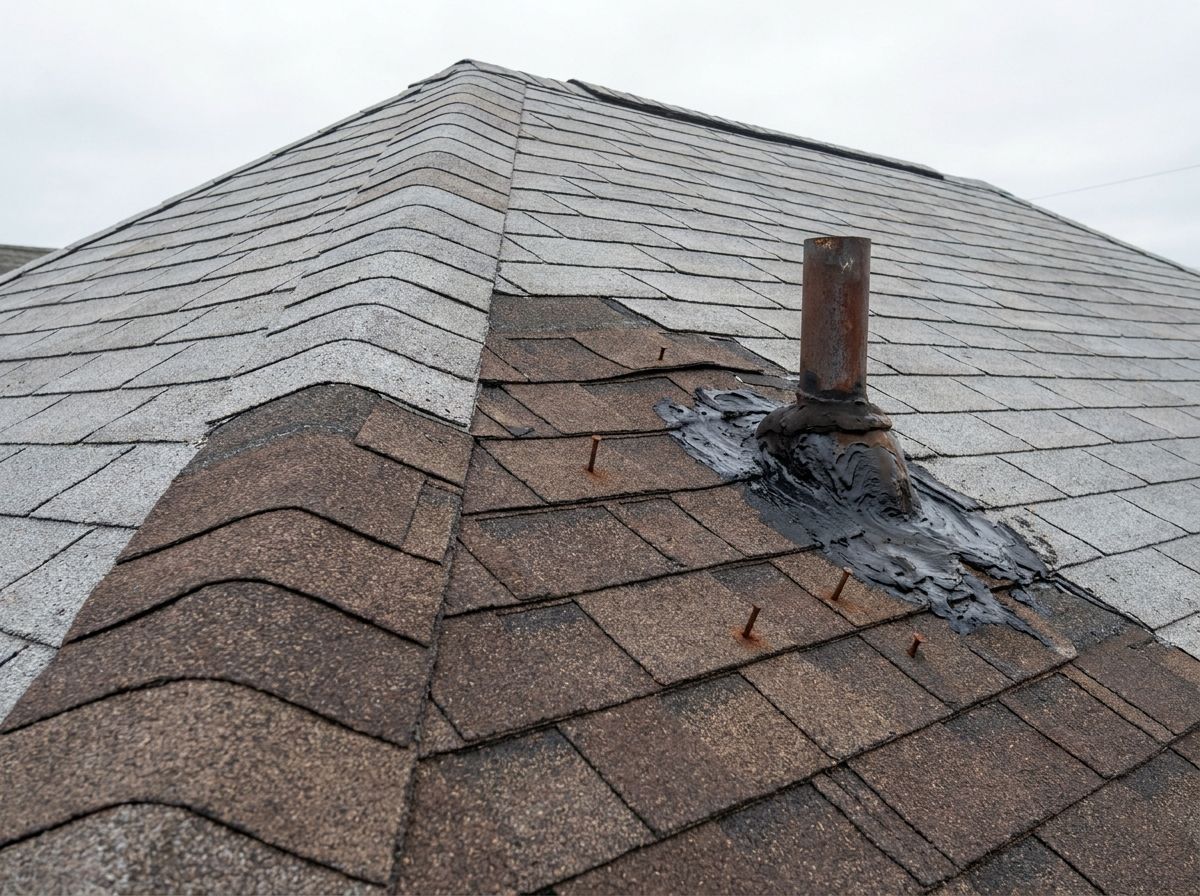
| Pipe boot, vent or small leak repair | $400 to $900 | Replacing a cracked boot or vent flashing and the shingles around it |
| Section of shingles, valley or step flashing | $800 to $2,000 | Opening up and rebuilding a problem area rather than patching it |
| Chimney flashing rebuild | $1,000 to $2,500 | Removing old counterflashing, cutting new reglets, rebuilding the assembly |
| Repair including decking replacement | $1,500 to $4,000 | Any of the above plus tearing out and replacing rotted sheathing |
| Large-area repair or partial re-roof | $3,000 to $7,000 | A full slope or a substantial portion of the roof rebuilt |
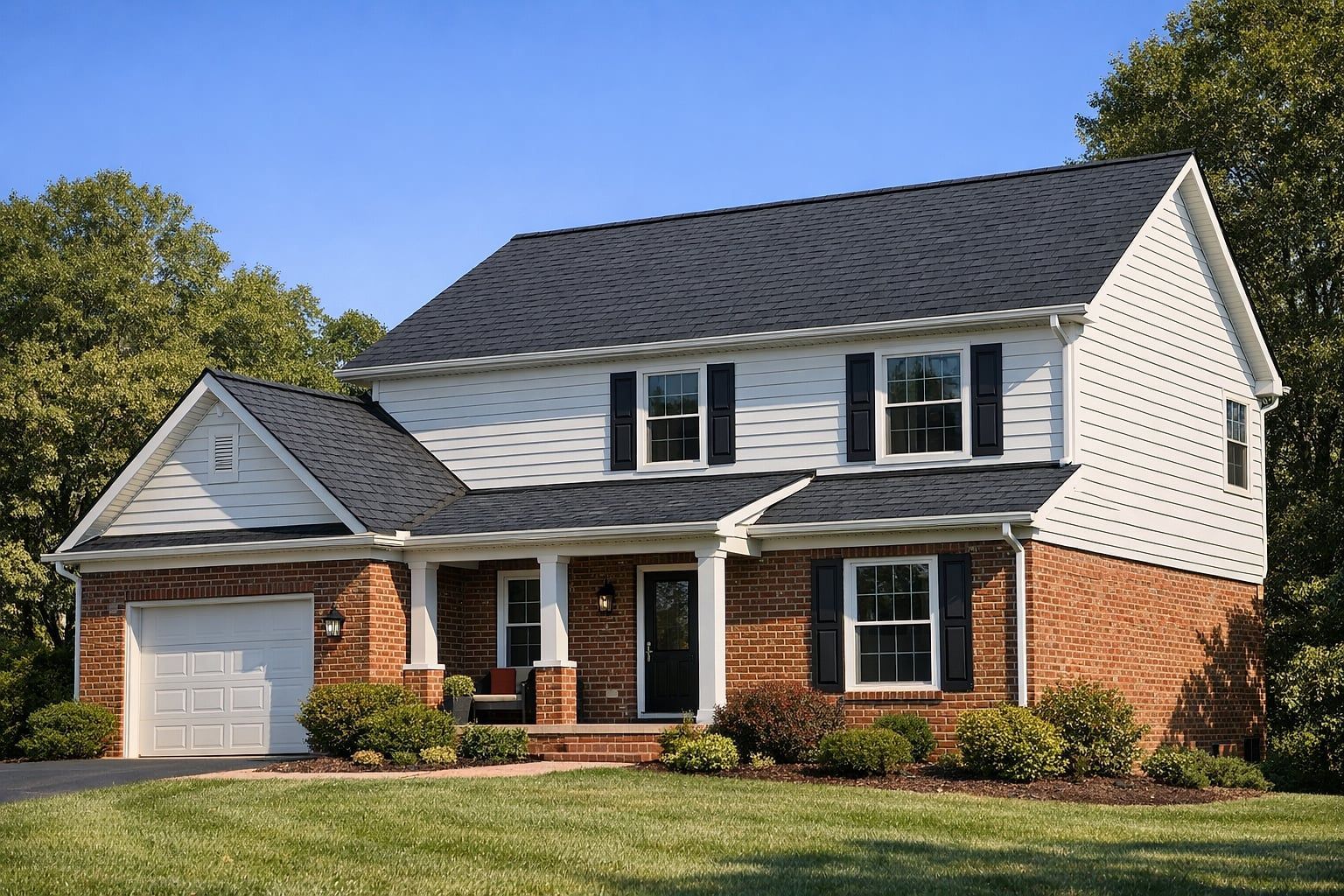
For reference at the top end, a full asphalt replacement in the Valley generally runs $8,000 to $20,000 or more. That number matters here, because it sets the ceiling on what a repair should ever cost before replacement becomes the better buy.
Get a real number for your roof
Ranges are useful for budgeting and useless for deciding. If you want an actual figure rather than a bracket, ask us for a roof quote. Our roof inspections are free, and you will get a written scope rather than a number scribbled on the back of a card.
The Five Things That Move the Number
Two houses on the same street with the same visible problem can come back with estimates that differ by a factor of three. Here is what accounts for that.
What actually failed. A handful of shingles blown off in a spring storm is a fundamentally different job from a valley that has been leaking quietly for four years. The first is a surface fix. The second has been feeding water into the structure the whole time.
The condition of the decking underneath. This is the biggest single swing factor, and it gets its own section below.
Pitch and access. A steep roof requires fall protection, staging and slower work. A roof surrounded by mature trees, a tight lot, or a second story with no equipment access costs more to work on than a walkable ranch roof with a clear driveway. This is not padding, it is genuinely more labor and more risk.
The material. Repairing architectural asphalt shingles is routine. Standing seam metal, slate and tile all require different skills and materials, and matching an existing panel or profile is sometimes the hardest part of the job.
How old the roof is. On a roof in its last few years, a repair is a delaying tactic, and a good contractor will tell you that rather than take the money. Our guide on how long roofs last in Waynesboro covers where yours likely sits.
Why Decking Is the Wild Card
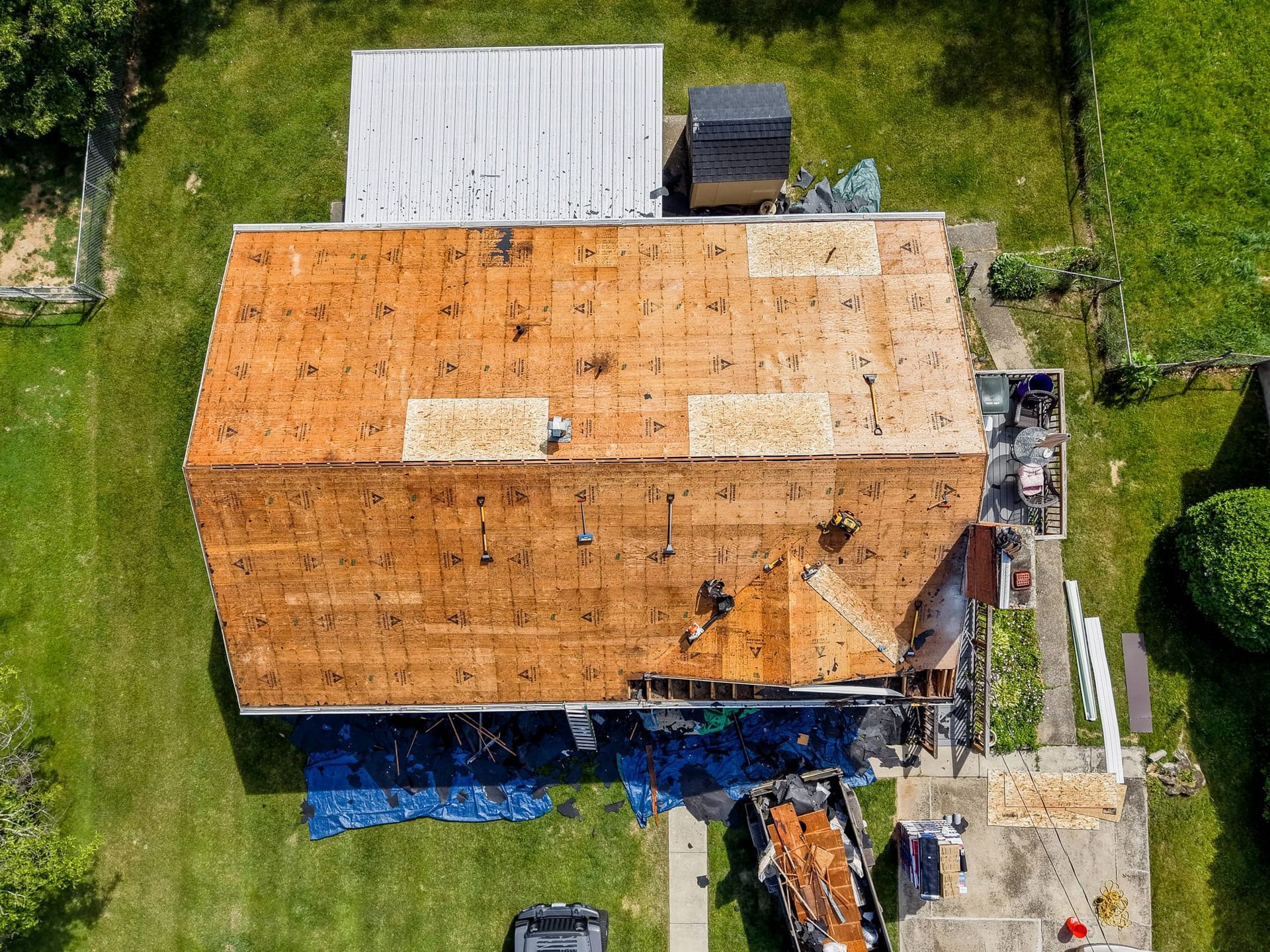
The decking is the plywood or plank sheathing under the shingles. It is the one part of the system nobody can assess until the roof is opened up, and it is the reason honest estimates carry a contingency line.
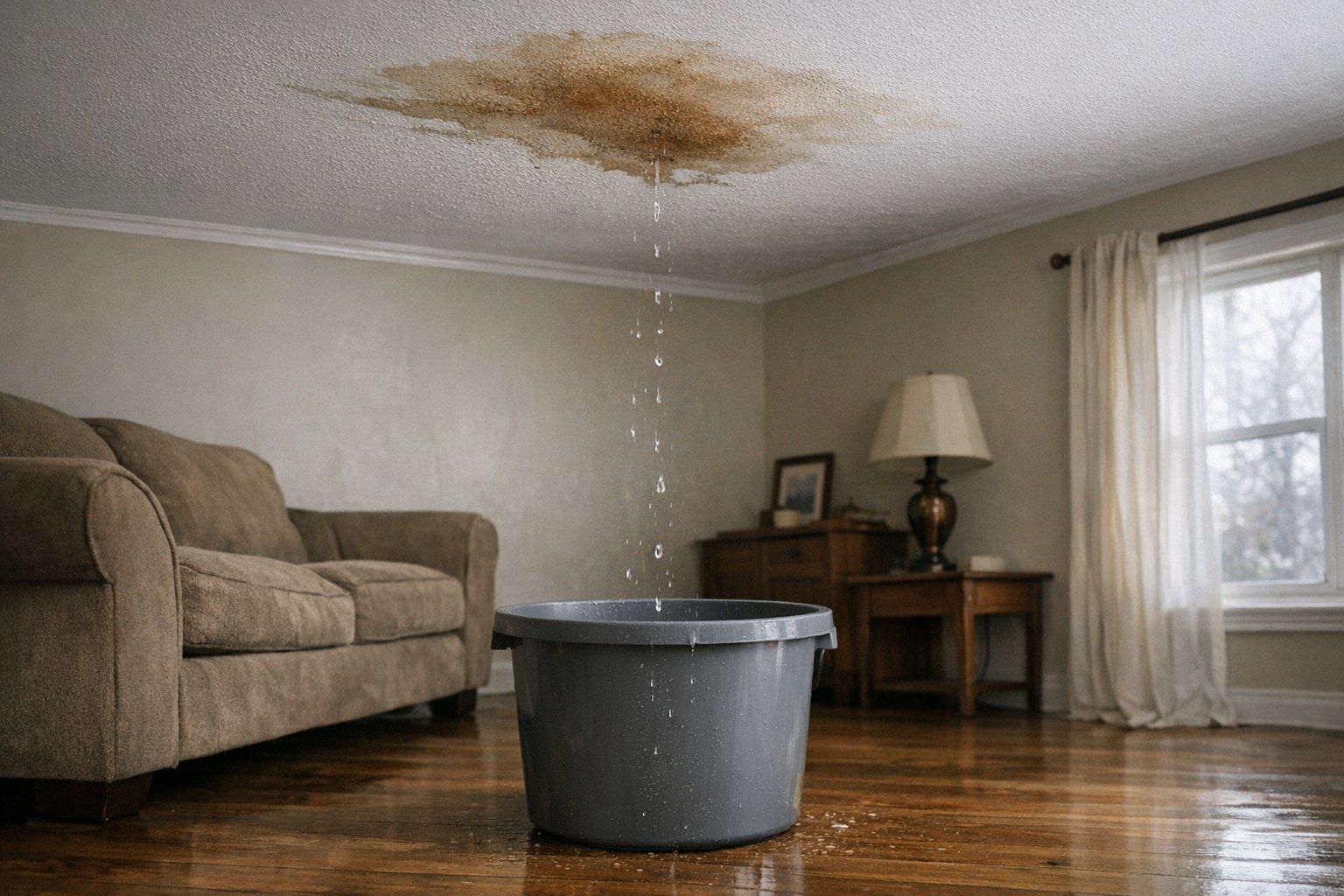
When water has been getting in for a while, the decking around the leak softens and delaminates. It will not hold a nail, and shingles fastened to bad decking fail again quickly. Replacing it is not optional if it is rotten.
The cost impact depends entirely on how far the damage spread. A single sheet is a modest addition. A leak that tracked along a rafter bay for several seasons can mean multiple sheets and sometimes framing repairs, which is what pushes a job from the $800 bracket into the $3,000 bracket.
This is also the strongest argument for not waiting. The repair itself rarely gets more expensive over six months. The decking underneath very much does.
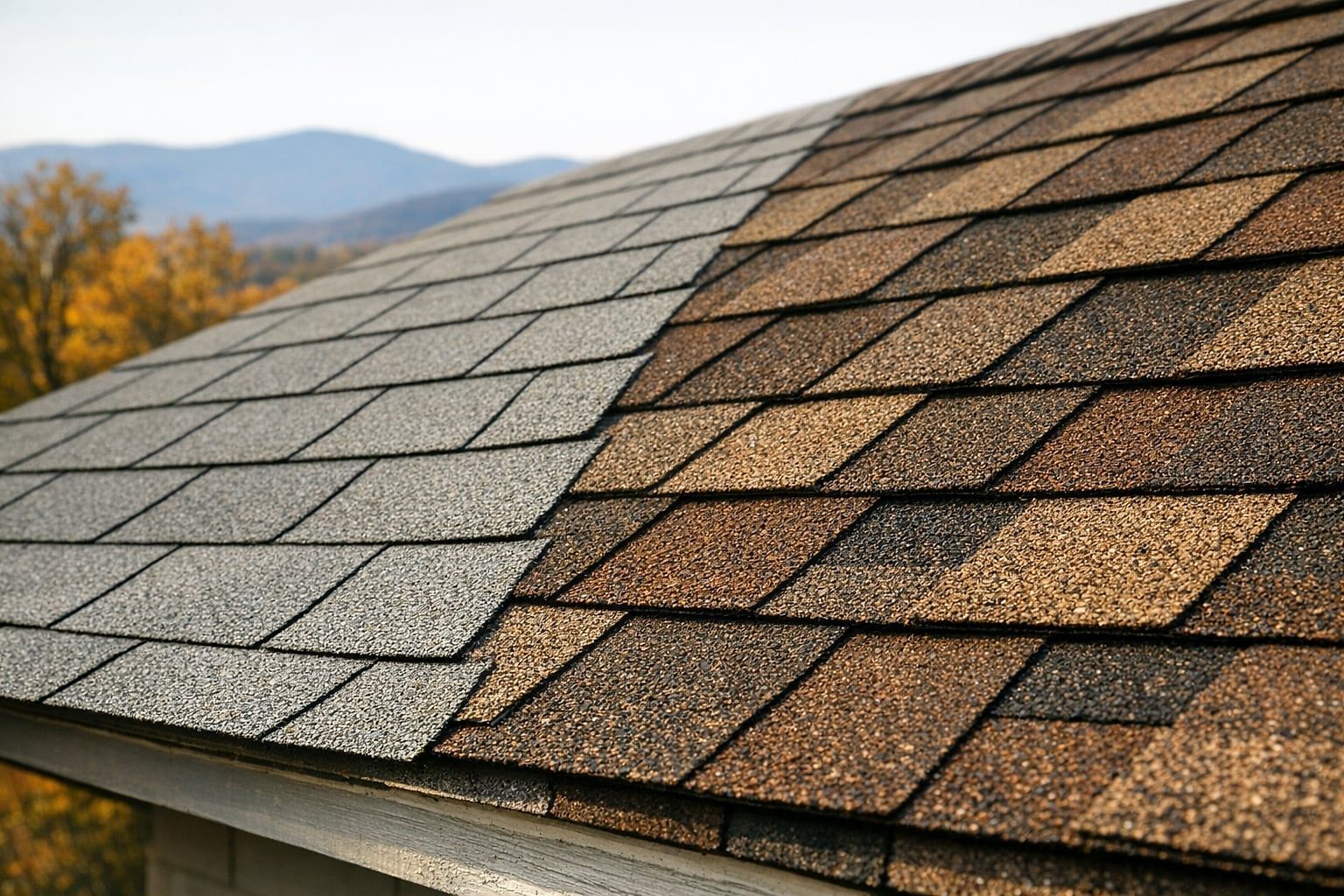
There is a second wild card worth knowing about, which is matching. Shingles weather, and a shingle line gets discontinued or reformulated over the years. On a roof that is ten or fifteen years old, the replacement shingles will not be an exact match for what is already up there, even when the product name is identical. On a small repair in an inconspicuous spot this does not matter. On a visible slope facing the street, it sometimes drives the decision to redo the whole slope rather than patch it, which is a cost difference worth discussing before the work starts rather than discovering afterwards.
Repair or Replace: Where the Line Falls
Repair is usually the right call when the roof has meaningful life left, the damage is contained to one area, and the rest of the surface is in sound condition. Storm damage on an otherwise healthy roof is the clearest example.
Replacement generally makes more sense when the roof is near the end of its service life, when you are on your third or fourth repair in a few years, when granule loss and curling are widespread rather than local, or when the repair estimate is climbing toward a meaningful fraction of a replacement.
A rough working line: once a repair quote passes roughly a third of what replacement would cost on a roof that is already past the midpoint of its life, you are spending real money to buy a few more years on a system that is going to need replacing anyway. That is sometimes still the right decision, particularly if you are selling or need to spread the cost, and financing is available if the timing is the problem rather than the price. It should just be a decision rather than a default.
What Insurance Changes About the Number
For storm-related damage, the number you care about is often your deductible rather than the repair cost, and that changes the math entirely.
Sudden, identifiable damage from wind or hail is generally covered. Gradual deterioration, wear and maintenance issues generally are not. The distinction matters more than most homeowners realize, because how the damage is documented determines which category the carrier puts it in.
The sequence that works is straightforward: get the roof inspected and the damage documented before you call the carrier, so you know what you are actually claiming and whether it clears your deductible. Filing a claim on damage that comes in under the deductible achieves nothing and puts a claim on your record. Our guide on how to file a storm damage roof claim in Virginia walks through the whole process.
Be direct with any contractor about this, and be wary of one who offers to make your deductible disappear. That is not a discount. It is insurance fraud, and it makes you a party to it.
How to Read a Repair Estimate
A fair estimate and a padded one look similar until you know what to look for.
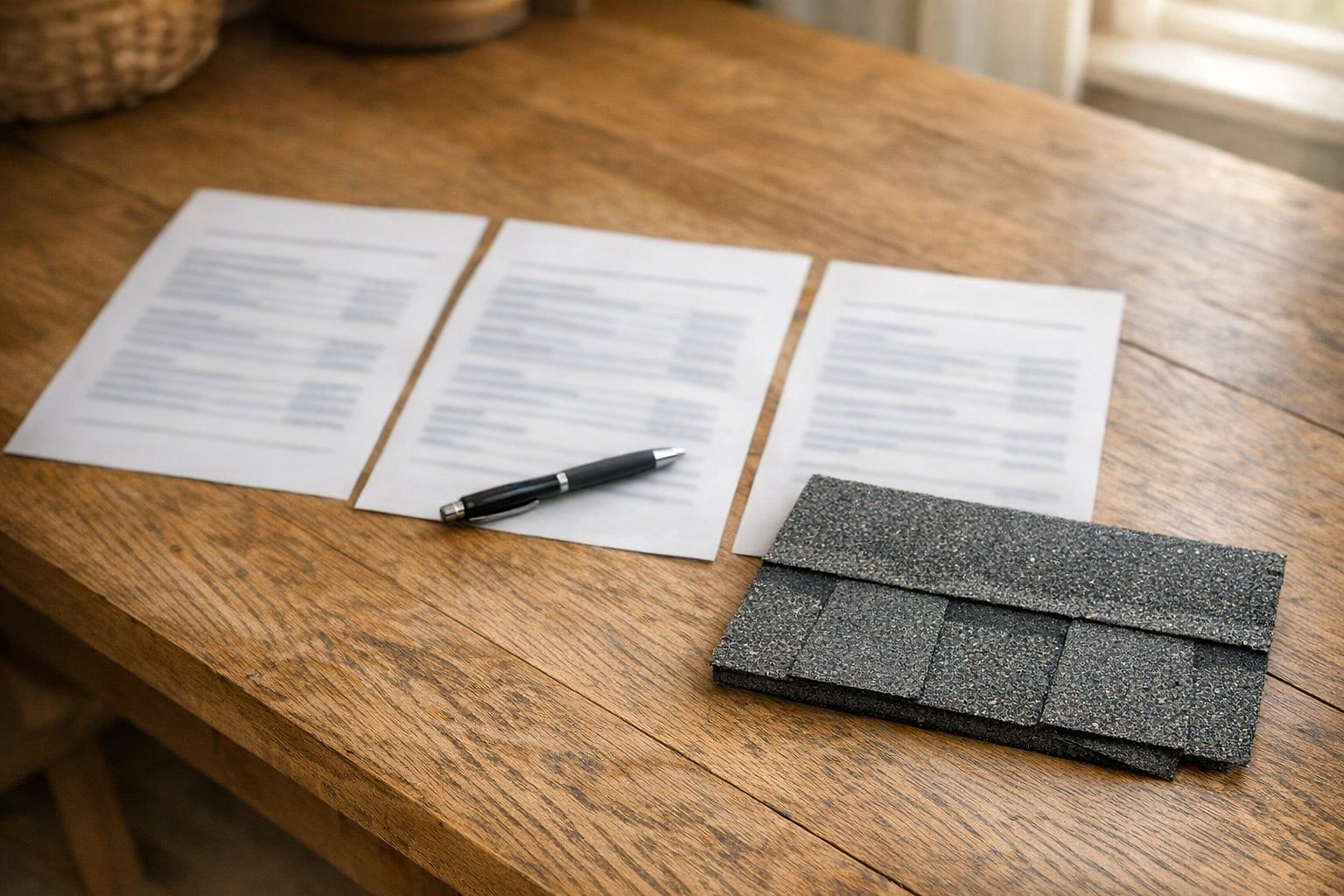
- An itemized scope, not a single number. You should be able to see what is being removed, what is being installed, and what the labor covers.
- A stated contingency for decking, with a per-sheet price. This is the mark of an honest estimate rather than a red flag. The alternative is a surprise on the invoice.
- The materials named. Shingle line, underlayment type, flashing metal. Vague material descriptions are where substitutions hide.
- Warranty terms in writing, covering both the materials and the workmanship, with the duration stated.
- Proof of license and insurance. Ask for the certificate. A legitimate contractor will send it without hesitation.
- A reasonable payment schedule. A deposit is normal. Full payment before any work starts is not.
If two estimates for the same roof differ dramatically, the usual explanation is that they are not describing the same job. One is patching the visible damage and one is fixing the cause. Read the scopes side by side before you assume the cheaper one is the better deal.
Why Waynesboro Homeowners Call Baber Enterprises
We have been roofing in this valley since 1984, three generations of the same family, and we work across Waynesboro, Staunton, Fishersville, Stuarts Draft, Verona, Augusta County and up into Harrisonburg.
- GAF Master Elite certified. GAF grants this to under two percent of roofing contractors in the country, and it requires proven licensing, insurance and an ongoing track record. It also lets us offer manufacturer warranty coverage that non-certified contractors cannot.
- 25-year workmanship warranty on GAF shingle roofs (10 years on metal roofs). Materials are warranted by the manufacturer. Workmanship is warranted by us, and 25 years is a long time to stand behind a shingle roof.
- Free roof inspections. We will tell you if you do not need the work.
- Financing available, for the cases where the roof does not wait for the budget.
- Insurance work is routine for us. We document damage the way carriers need it documented, which is most of the battle on a storm claim.
- Family owned and local. Forty years in one valley means we are still here when a warranty gets called on.
Get a Roof Quote Instead of a Range
Everything above is a bracket. Your roof has a number, and it takes an inspection to find it.
Get your roof quote here, or call our Waynesboro office at (540) 712-3512. The inspection is free, you get a written itemized scope, and if the answer is that your roof needs nothing right now, we will tell you that. You can also read more about our roof repair services.
Frequently Asked Questions
How much does a roof repair cost in Waynesboro, VA?
Most repairs run between $300 and $2,000 in 2026, with minor shingle and flashing work at the low end. Jobs involving rotted decking or a chimney flashing rebuild commonly reach $1,500 to $4,000. These are market ranges rather than a quote for your specific roof.
Why do roof repair estimates vary so much?
Usually because they describe different jobs. One contractor may be patching visible damage while another is opening the area up and fixing the cause, including any decking underneath. Pitch, access and material also change the labor genuinely, not just the price.
What makes a roof repair more expensive than quoted?
Damaged decking, almost always. Sheathing condition cannot be assessed until the roof is opened, so honest estimates carry a per-sheet contingency for it. A leak that has been running for several seasons can spread that damage well beyond the visible area.
Should I repair or replace my roof?
Repair when the roof has real life left and the damage is contained. Replace when it is near the end of its lifespan, when repairs are becoming repeat visits, or when the repair estimate approaches a third of replacement cost on an already aging roof.
Will insurance pay for my roof repair?
Sudden storm damage from wind or hail is generally covered, while gradual wear and maintenance issues generally are not. Get the damage inspected and documented before filing, so you know whether it exceeds your deductible and how it will be categorized.
Do you charge for a roof inspection?
No. Roof inspections are free, and that includes telling you when your roof does not need work. You get a written scope with the repair itemized rather than a single number, so you can see exactly what is being done.
How quickly should I get a roof leak repaired?
Quickly, because the repair cost changes less over time than the decking underneath it does. Water tracking along a rafter bay for a few more months can turn a single sheet of sheathing into several, which is what moves a job between cost brackets.