The Ultimate Survival Guide for Storm Damage Roof Insurance Claims
When Storm Damage Hits Your Roof, Here’s What to Do Next
How to get insurance to pay for roof replacement comes down to six key steps:
- Document all damage with photos and videos immediately after the storm
- Get a professional roof inspection from a licensed contractor before filing
- File your claim promptly with your insurer, including a specific date of look
- Have your contractor present during the insurance adjuster’s inspection
- Review the adjuster’s estimate carefully for missing line items
- Appeal or supplement if the payout is too low or the claim is denied
A full roof replacement averages around $9,500 to $11,500. Without the right approach, insurance may cover far less than that — or deny the claim entirely.
Most homeowners insurance policies do cover sudden damage from wind, hail, fire, and falling trees. But they don’t cover aging, neglect, or normal wear and tear. The difference between a paid claim and a denied one often comes down to how well you document the damage and how familiar you are with your policy.
I’m Sean Baber , co-owner of Baber Enterprises Inc. and a GAF Master Elite® President’s Club roofing contractor — a designation held by fewer than 2% of roofers in the country. I’ve helped countless homeowners in Virginia navigate exactly how to get insurance to pay for roof replacement , and this guide walks you through everything I’ve learned. Let’s make sure you don’t leave money on the table.
Understanding Your Policy: Covered Perils vs. Exclusions
Before you pick up the phone to call your agent, we need to talk about the “fine print.” Not all roof damage is created equal in the eyes of an insurance company. Most standard Virginia homeowners policies (like the common HO-3 form) operate on an “open peril” basis for your dwelling. This means the structure is covered for everything except specifically excluded events.
Covered Perils
Insurance is designed to protect you against “sudden and accidental” losses. Common covered perils include:
- Wind Damage: High winds that lift, crease, or tear away shingles.
- Hail Impact: Large hailstones (typically 1 inch or larger) that fracture the fiberglass matting of your shingles.
- Falling Objects: That oak tree in your backyard that decided to visit your living room during a thunderstorm.
- Fire and Lightning: Direct strikes or resulting fires.
Common Exclusions
This is where many homeowners get tripped up. Insurance is not a maintenance plan. They will generally not pay for:
- Wear and Tear: If your 20-year-old 3-tab shingles are simply losing granules because they’ve reached the end of their life, that’s on you.
- Maintenance Neglect: If a small leak existed for years and you ignored it, the resulting rot might be excluded.
- Cosmetic Damage: Some policies now include “cosmetic damage exclusions,” meaning if hail dents your metal roof but doesn’t cause a leak, they might not pay to replace it.
ACV vs. RCV: The Payout Gap
This is perhaps the most critical part of how to get insurance to pay for roof replacement. You need to know which valuation method your policy uses.
| Feature | Actual Cash Value (ACV) | Replacement Cost Value (RCV) |
|---|---|---|
| Definition | Payout based on the current depreciated value. | Payout based on what it costs to buy a new roof today. |
| Depreciation | Subtracted from the total and not recoverable. | Subtracted initially but paid back once work is done. |
| Out-of-Pocket | Usually high (Deductible + Depreciation). | Usually just your deductible. |
| Premium Cost | Lower monthly premiums. | Higher monthly premiums. |
If you have an ACV policy on a 15-year-old roof, the insurance company might only cut you a check for 30% or 40% of the total cost. If you’re planning to Replace Your Roof, knowing this ahead of time prevents “sticker shock.”
How to Get Insurance to Pay for Roof Replacement: The Step-by-Step Process
Navigating a claim in the Shenandoah Valley requires a methodical approach. You aren’t just “filing a claim”; you are building a forensic case to prove that a specific weather event caused quantifiable damage.
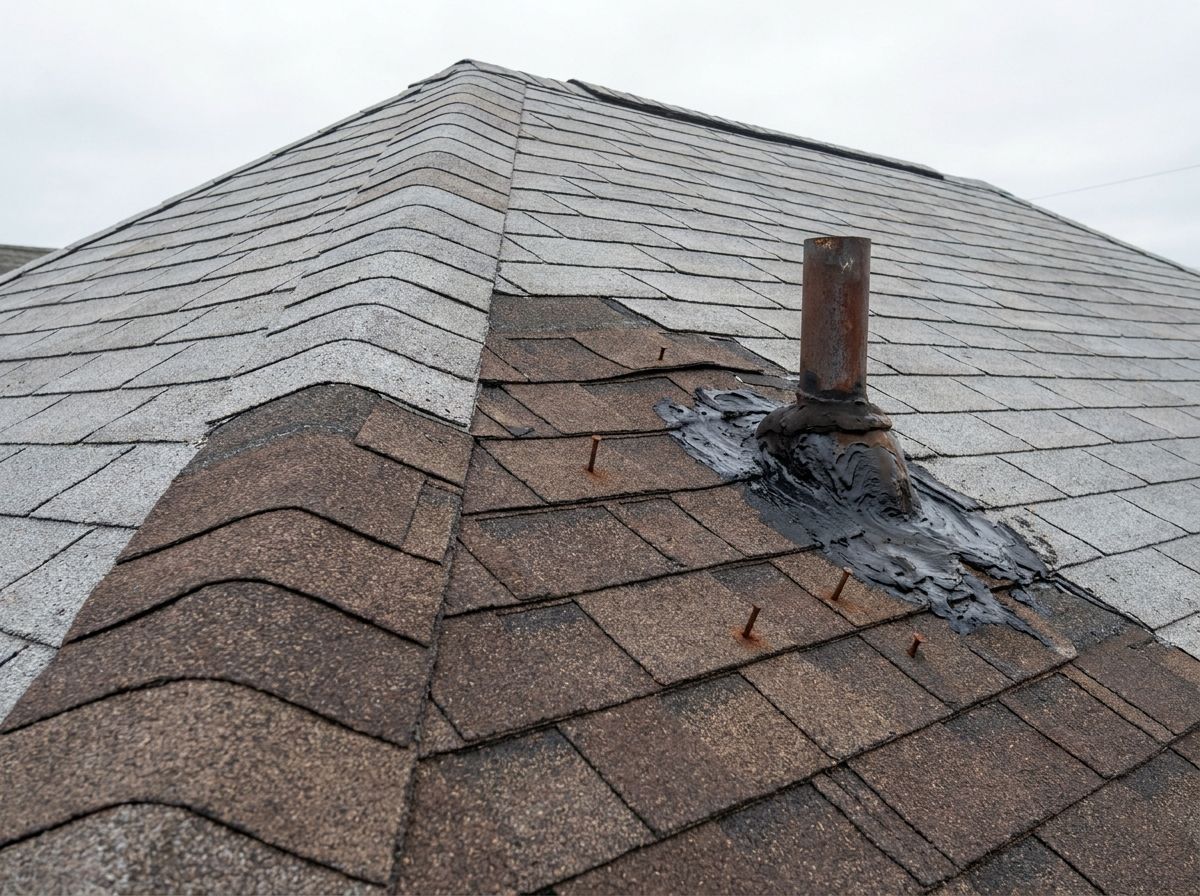
The process often begins with Unveiling Hidden Roof Damage and Repairs. While you might see a few shingles on the lawn, a pro might see “bruised” shingles where hail has compromised the waterproofing layer. Following a The Roof Claim Process: A Step-by-Step Guide ensures you don’t miss any legal or procedural beats.
Step 1: Documenting Damage and Filing the Claim
Speed and detail are your best friends here. As soon as it is safe to go outside, start your documentation.
- Identify the Date of Loss: Insurance companies use weather data to verify claims. You need to point to a specific storm.
- Take High-Resolution Photos: Capture the roof from the ground, but also look for “collateral damage.” Dented mailboxes or shredded window screens are great “proxies” that prove a hailstorm occurred.
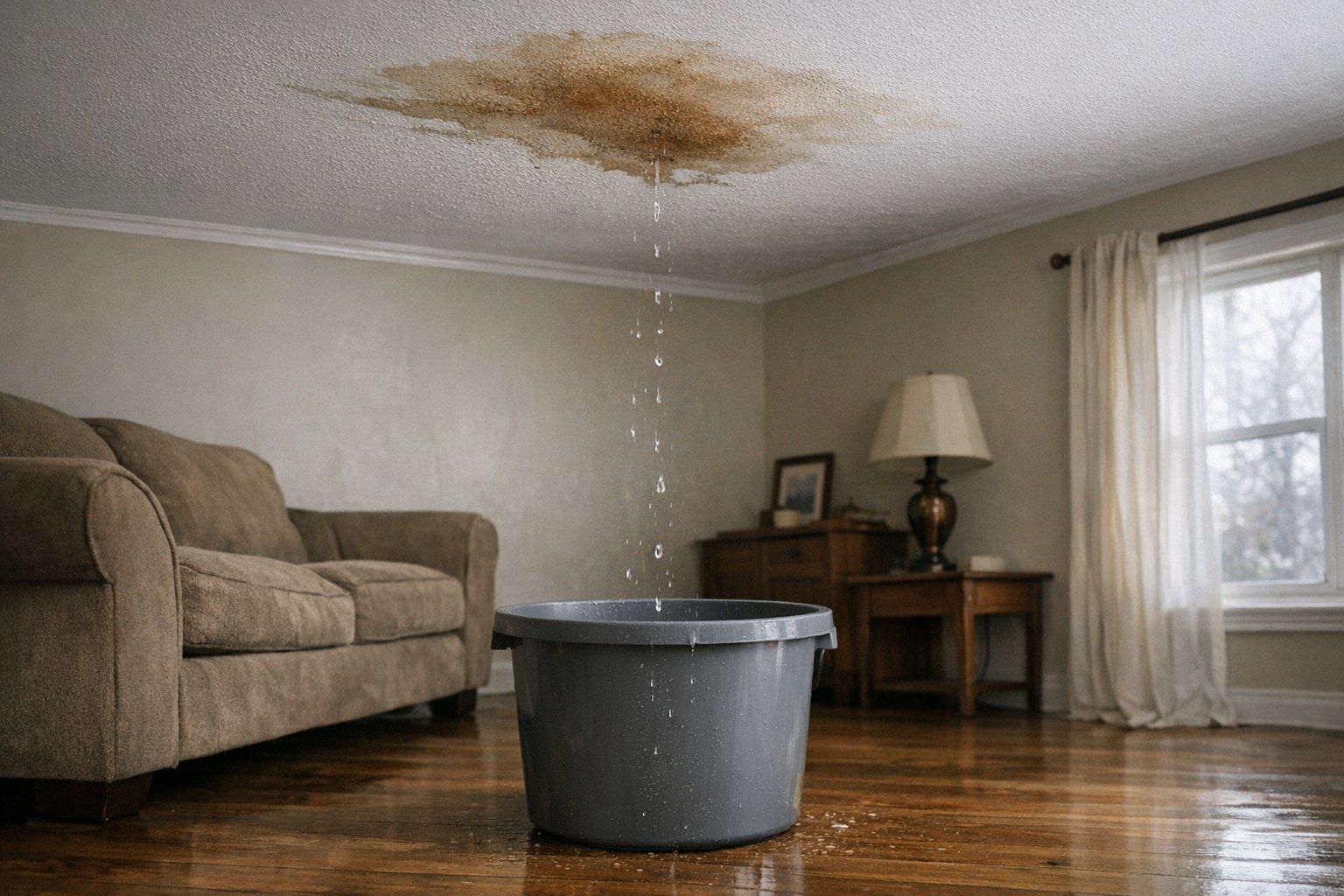
- Check the Interior: Look in your attic or on your ceilings for new water stains.
- Make Temporary Repairs: Your policy likely requires you to “mitigate further damage.” If there’s a hole, tarp it! Keep the receipts for the tarp and nails, as these are usually reimbursable.
For more tips on spotting trouble, check out our guide on How to Tell if Your Roof Needs Repair.
Step 2: The Professional Inspection and Adjuster Meeting
Crucial Advice: Never meet the insurance adjuster alone.
When the adjuster arrives, their job is to look for reasons to limit the payout. When we show up as your contractor, our job is to ensure every bit of functional damage is noted. We speak their language—terms like “thermal splitting,” “granule displacement,” and “mechanical lift.”
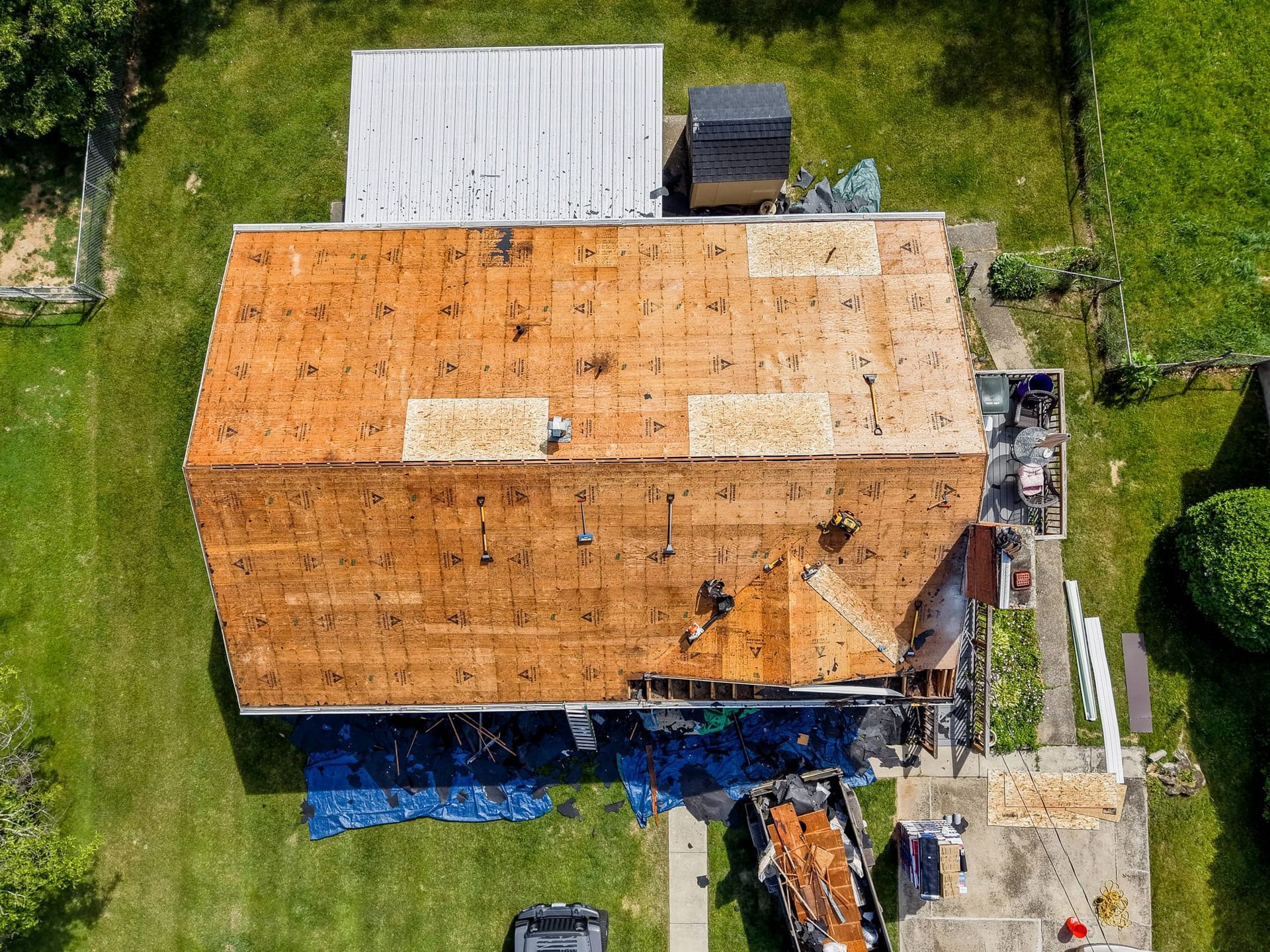
During The Ultimate Guide to Roof Inspection in Staunton, we walk the roof with the adjuster to point out shingle bruising that might be invisible to an untrained eye. This advocacy often makes the difference between a small repair patch and a full replacement approval.
Navigating Payouts, Deductibles, and Building Codes
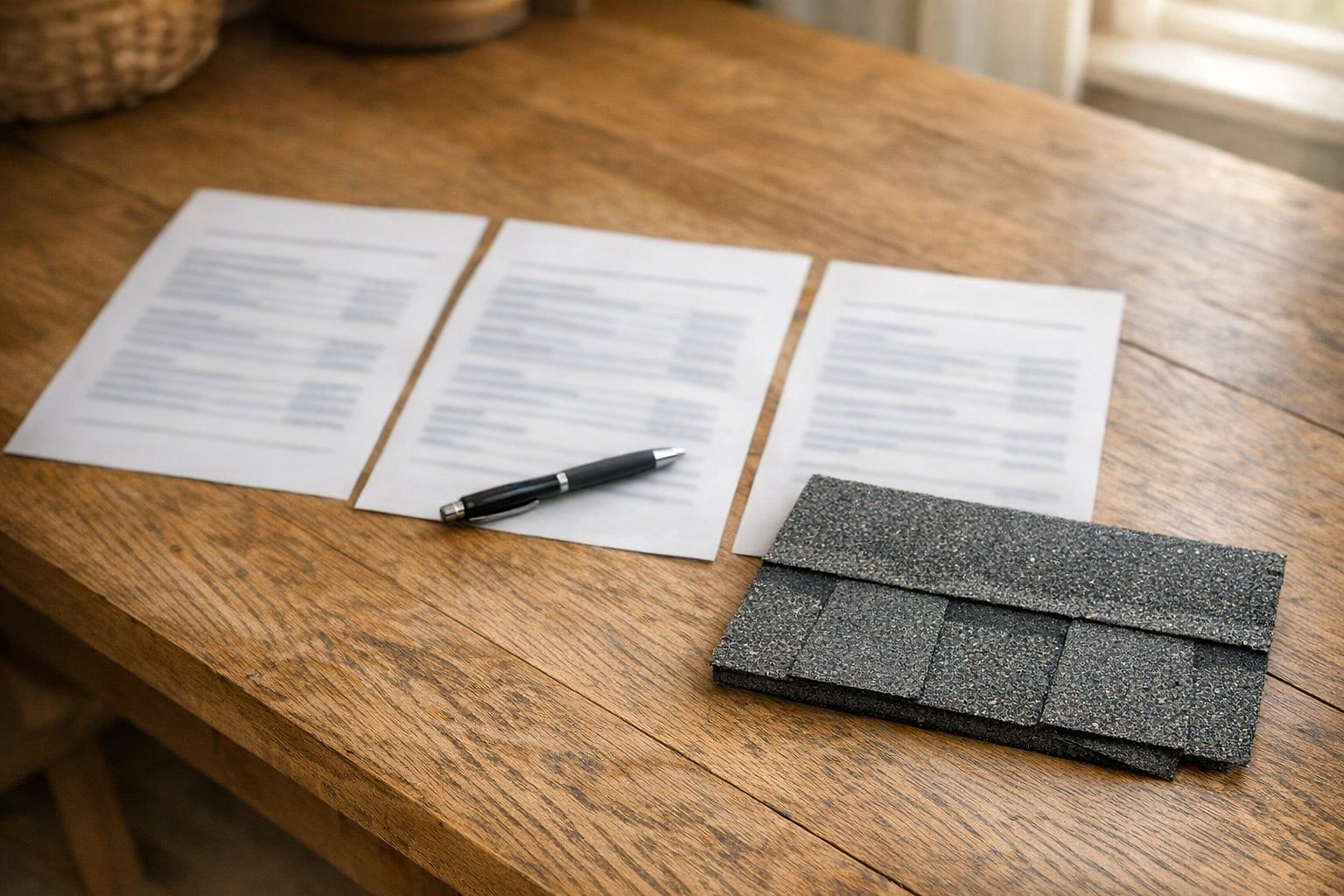
Once the claim is approved, you’ll receive a “Scope of Loss.” This is a line-item breakdown of what the insurance company is willing to pay for.
Understanding this document is vital. You’ll see terms like:
- Deductible: This is your portion of the bill. In Virginia, this is usually a flat dollar amount (like $1,000), but some policies have a percentage deductible (1% to 2% of the home’s value) for wind or hail.
- Recoverable Depreciation: For RCV policies, the insurer holds back a portion of the money until you provide an invoice showing the work is finished.
- Ordinance or Law Coverage: If local building codes in Staunton or Charlottesville have changed since your roof was built (e.g., requiring drip edges or specific underlayment), this coverage pays for those mandatory upgrades.
Maximizing your claim for how to get insurance to pay for roof replacement
To ensure you get a fair shake, we use Xactimate , the same estimating software used by 90% of insurance adjusters. This ensures our “line-item accuracy” matches their system.
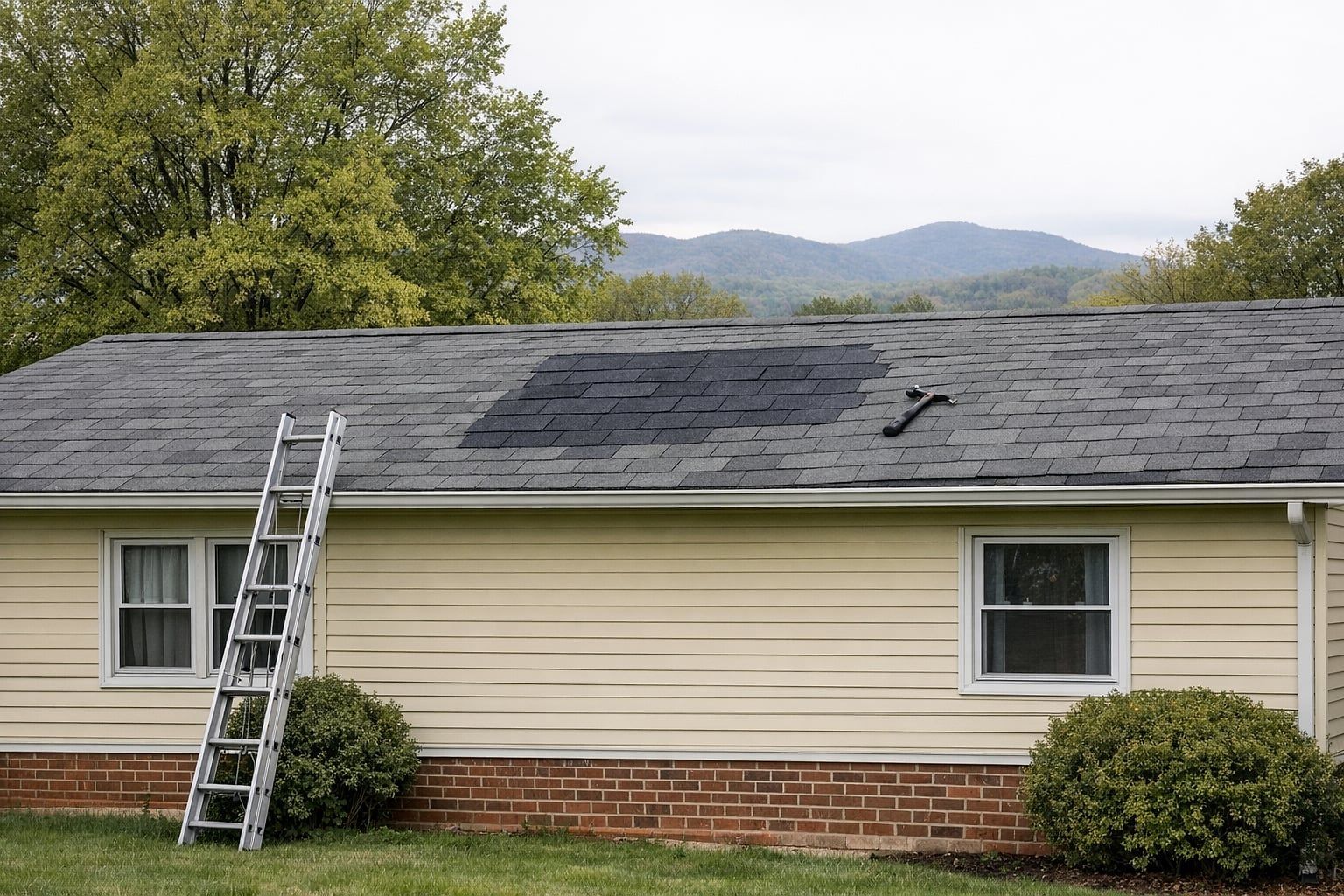
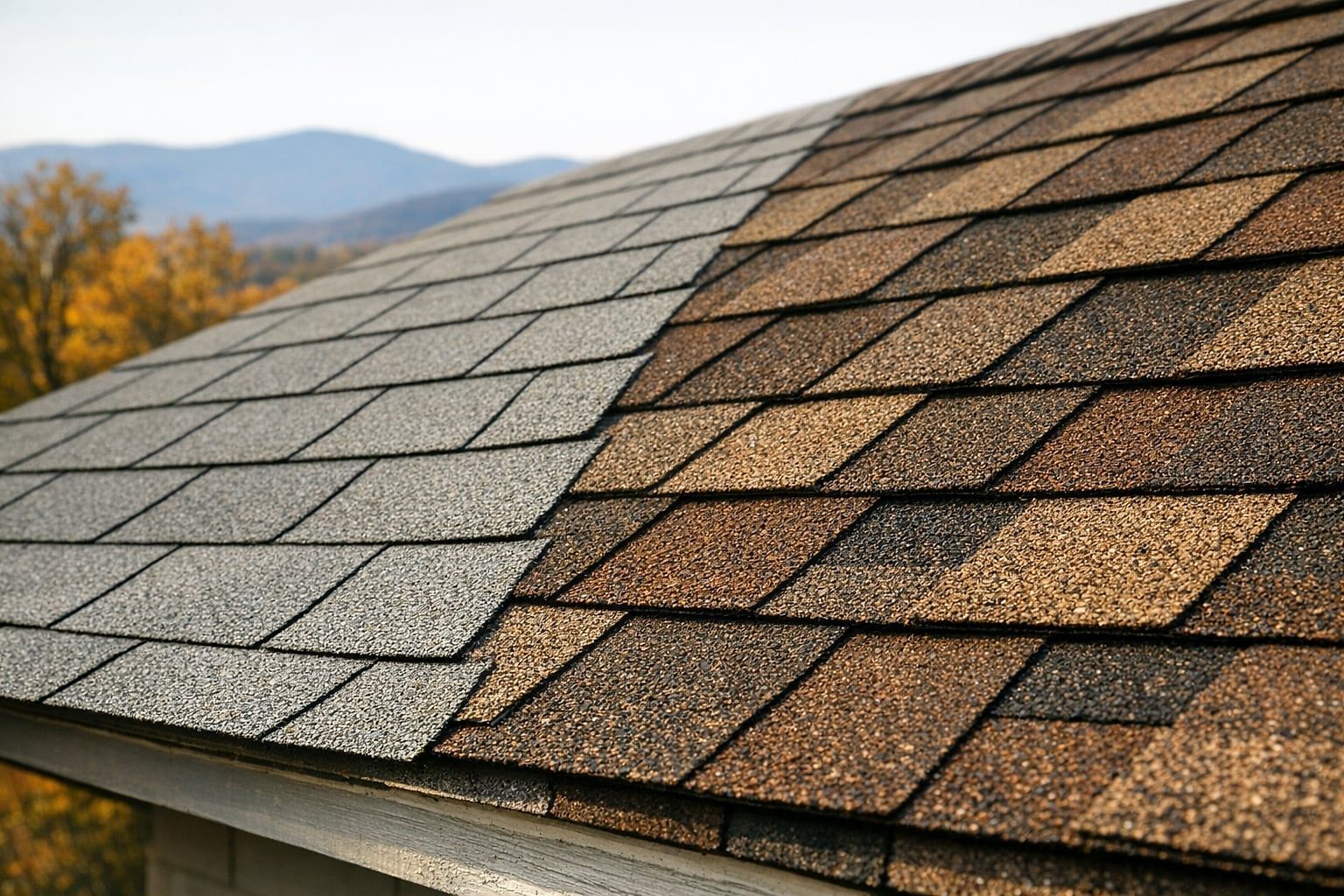
We also look for “Matching Doctrine” issues. In many cases, if your specific shingle color is discontinued and a repair would result in a patchy, “franken-roof,” the insurance company may be required to replace the entire slope or the whole roof to maintain a uniform appearance. Understanding Per Square Foot Roofing Costs helps you see if the insurance estimate is realistic for current Virginia labor and material markets.
Avoiding Scams and Choosing a Reputable Contractor
After a big storm in the Shenandoah Valley, you’ll notice “storm chasers” knocking on doors. These are often out-of-state companies that follow hail maps.
Red Flags to Watch For:
- “We’ll Waive Your Deductible”: In many states, including Virginia, this is considered insurance fraud. A reputable contractor will never ask you to participate in a scam.
- High-Pressure Tactics: If they want you to sign a “contingency agreement” before they’ve even inspected the roof, walk away.
- No Local Address: You want a contractor who will be here in five years if a leak develops.
Knowing How to Choose the Right Roofing Contractor in Staunton, VA is your best defense. We recommend hiring Professional Roof Installation Experts in Charlottesville who understand local building codes and carry proper Class A licensing.
Frequently Asked Questions about Roof Insurance
How old does a roof need to be for how to get insurance to pay for roof replacement?
There isn’t a magic number, but the 15-to-20-year mark is a major threshold. If your roof is over 20 years old, many insurers will only offer ACV (Actual Cash Value) coverage, even if you previously had RCV. They view a 20-year-old asphalt roof as having “lived its life.” If you wait too long, you might find out what happens when you don't replace your roof the hard way, with a denied claim and a major leak.
Will a new roof lower my insurance premiums?
Yes! In Virginia, a new roof can lower your premiums by 5% to 35% . Insurers love new roofs because they are less likely to leak. You can save even more by choosing impact-resistant shingles or exploring Metal vs. Shingles: What’s the Best Roof for Your Virginia Home. Metal roofs, in particular, often qualify for significant discounts due to their fire resistance and durability.
What should I do if my roof claim is denied?
Don’t panic. A denial is often just the beginning of a negotiation. You can:
- Request a Re-inspection: Ask for a different adjuster or a supervisor to come out, and make sure your contractor is there this time.
- Provide New Evidence: Submit an engineer’s report or a “brittleness test” showing the shingles can’t be repaired without breaking.
- Invoke the Appraisal Clause: This is a formal dispute resolution process built into most policies.
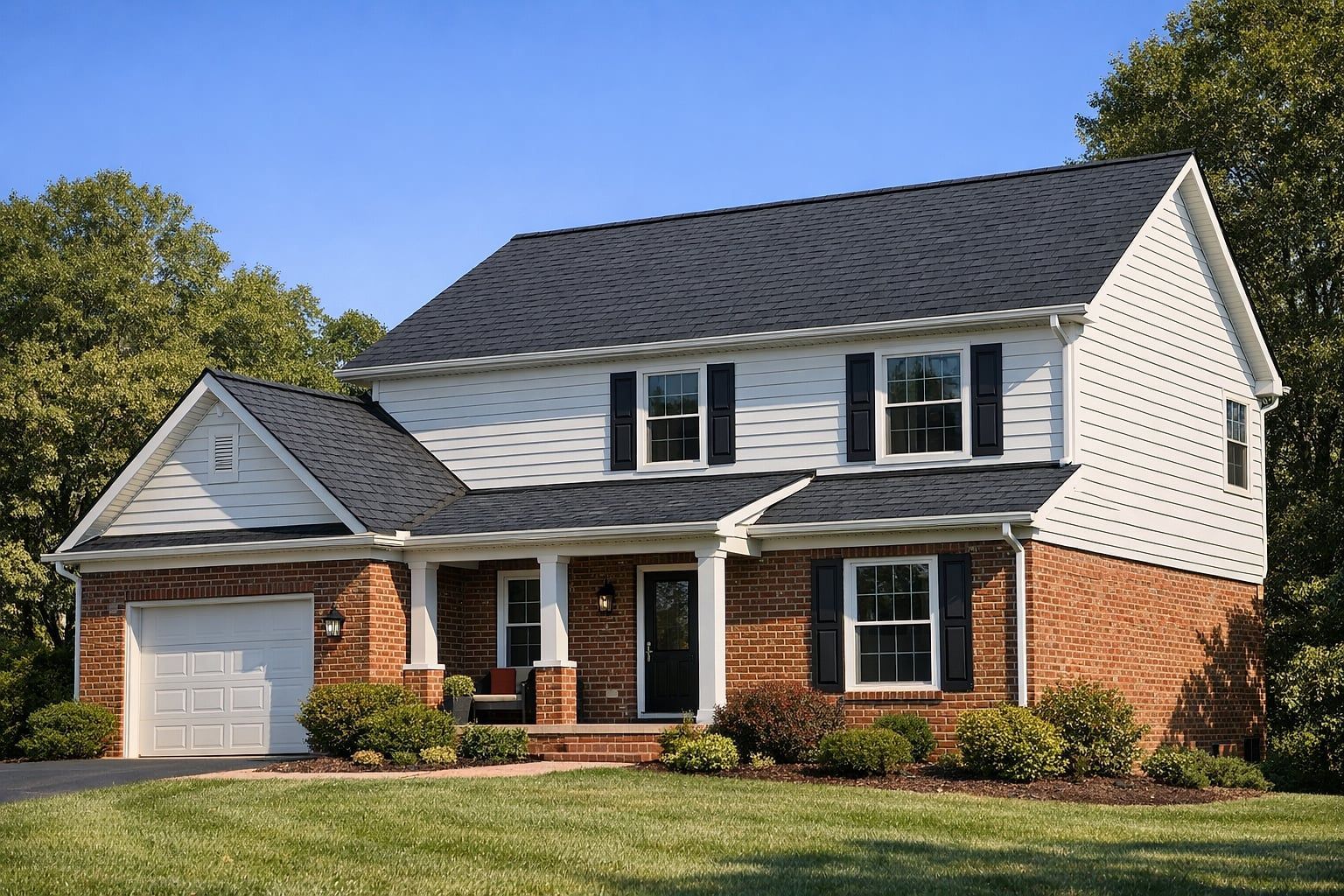
Having peace of mind ensures that once the insurance battle is over, your new investment is protected for decades.
Conclusion
Getting your insurance to pay for a roof replacement isn’t about “gaming the system”—it’s about holding your insurance company to the promises they made in your policy. With over 40 years of experience serving Staunton, Waynesboro, and the surrounding counties, we’ve seen every trick in the book.
At Baber Enterprises Inc. , we take the stress out of the storm. As a third-generation family-owned business, we don’t just slap on shingles; we build relationships. We provide a 25-year workmanship warranty because we believe in the quality of our craft. Whether you are in Harrisonburg, Lexington, or right here in Staunton, we are ready to be your advocate.
If you’ve recently weathered a storm, don’t wait for the ceiling to start dripping. Contact us today for a professional assessment. We’ll help you navigate Roof Repair, Storm Damage, Handling Insurance Claims so you can get back to what matters most—keeping your family safe and dry.