Signs You Need a New Roof in the Shenandoah Valley (2026)
Most roofs do not fail all at once. They give you warning signs first, sometimes for a year or more, before a small problem turns into water in your living room. The trick is knowing what to look for so you can act on your own timeline instead of an emergency one.
The clearest signs you need a new roof are widespread curling or missing shingles, granules collecting in your gutters, daylight or water stains in your attic, a sagging roofline, and an age of 20 to 25 years or more. Any one of these is worth a closer look. Several of them together usually means replacement, not repair.
This guide walks through the warning signs you can spot from the ground, from inside your home, and from the calendar, plus how to tell the difference between "repair it" and "replace it." If you live in Staunton, Waynesboro, Fishersville, or anywhere across the Valley, these are the things worth checking before the next big storm.
Quick Answer: Top Signs It Is Time for a New Roof
Watch for these. The more that apply, the closer you are to replacement:
- Age: Your asphalt roof is 20 to 25 years old or older
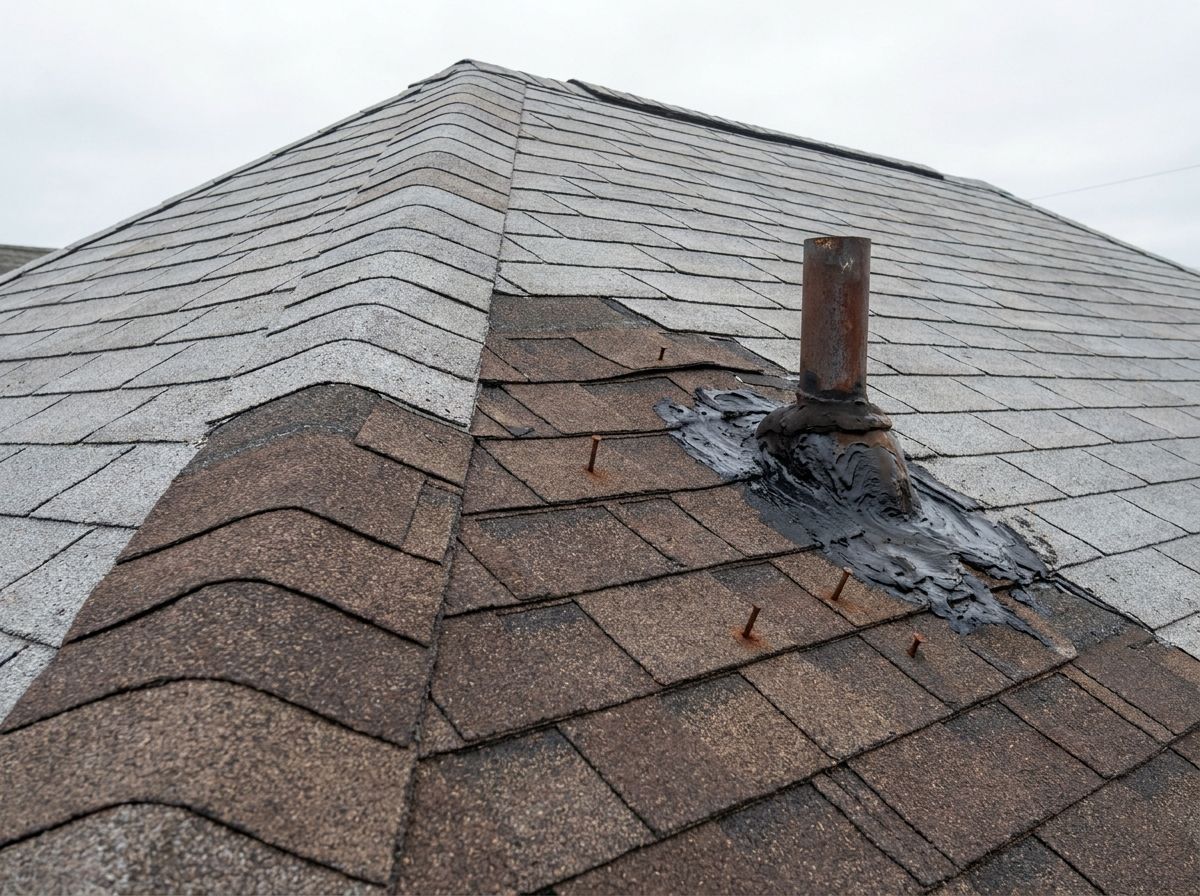
- Shingles: Curling, cracking, buckling, or missing in multiple areas
- Granules: Sandy granule loss collecting in gutters and downspouts
- Leaks: Water stains on ceilings or walls, or active drips
- Attic: Daylight through the roof boards, or damp insulation
- Sagging: A dip or wave in the roofline
- Flashing: Rusted, cracked, or pulling away around chimneys and valleys
- Storm damage: Dents, bruising, or torn shingles after wind or hail
A single curled shingle is a repair. Several of these signs together point to replacement.
Signs You Can See From the Ground
You do not need to climb up to spot trouble. From your driveway or yard, look for:
Missing, curling, or buckling shingles. Shingles should lie flat and uniform. Edges curling up, corners lifting, or bald patches where shingles blew off all signal a roof past its prime. After a Valley storm, scan for shingles in the yard.
Granules in the gutters. Asphalt shingles are coated in protective granules. As they age, those granules wash off and collect in gutters and at the bottom of downspouts, looking like coarse black sand. Heavy granule loss means the shingles are wearing thin.
Discoloration or dark streaks. Streaking can be algae, common in humid Virginia summers, which is often cosmetic. But uneven dark patches can also signal moisture retention or failing shingles worth a professional look.
A sagging or uneven roofline. Sight along the ridge and eaves. A roof should run in straight lines. Any visible dip, sag, or wave can point to structural issues underneath, which is a more serious problem than worn shingles.
Signs You Can See From Inside Your Home
Your attic and ceilings often show roof problems before the exterior does.
Daylight through the roof boards. Head into the attic during the day with the lights off. If you see pinpoints or streaks of daylight coming through the roof deck, water can get in the same way.
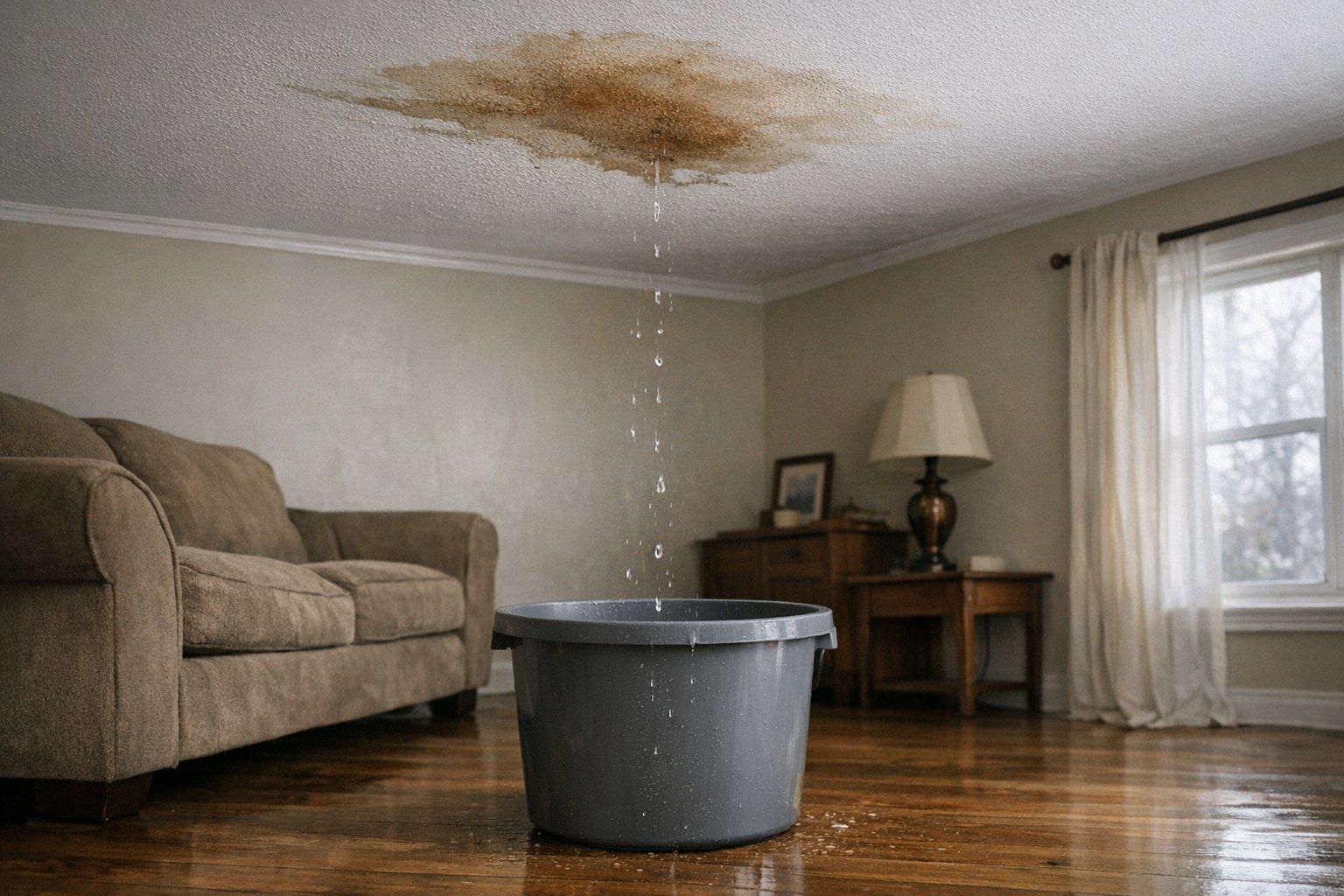
Water stains and discoloration. Brown or yellow stains on ceilings or upstairs walls usually mean water is getting past the roof. Stains that grow or reappear after rain are an active leak, not an old one.
Damp or matted insulation. Wet attic insulation is a sign of a roof or flashing leak, and it quietly kills the insulation's effectiveness while it sits there.
A spike in energy bills. A roof with failing ventilation or hidden moisture can drive heating and cooling costs up. If your bills jump without an obvious cause, the roof is worth ruling out.
The Age Factor: When Roofs Reach the End
Age alone is a strong signal. In the Virginia climate, a typical asphalt shingle roof lasts about 25 to 30 years, and a budget 3-tab roof closer to 15 to 20 years. If you know your roof is in that range, or you have lived in the home a long time and never replaced it, the clock is a factor even if the roof looks decent from the ground.
Roofs near the end of their life become more vulnerable to storm damage and tend to fail faster once problems start. If your roof is over 20 years old and showing any of the other signs above, replacement is usually the smarter move than chasing repairs that buy only a season or two.
Storm Damage: A Sign That Arrives Suddenly
Not every roofing problem builds slowly. A single strong storm rolling through the Shenandoah Valley can take a healthy-looking roof and damage it overnight. After severe wind or hail, watch for:
- Shingles torn loose, lifted, or scattered in the yard
- Dents or bruising on shingles, vents, and metal flashing
- Granule loss concentrated after the storm
- New leaks or attic moisture that were not there before
Storm damage is also where insurance comes into play, which we cover next.
When Insurance Pays for Replacement vs. Repair
Here is where many Valley homeowners get tripped up. Homeowners insurance generally covers roof replacement or repair when the damage comes from a sudden covered event like a wind or hail storm, rather than from age and normal wear.
That distinction matters. A roof that simply wore out over 25 years is usually the homeowner's responsibility. A roof damaged by a recent storm may qualify for a claim that covers most of the cost beyond your deductible. The key is documenting that the damage is storm-related and recent.
Baber Enterprises offers free roof inspections to help homeowners across Staunton, Waynesboro, and Augusta County determine whether what they are seeing is storm damage worth a claim or age-related wear. We will give you a straight answer, because steering you into a claim that gets denied does not help anyone.
What to Do When You Spot the Signs
Noticing one or more of these signs does not mean you need to panic or replace your roof tomorrow. It means it is time to get clear information so you can plan. Here is the sensible order of steps.
Document what you see. Take photos of curling shingles, gutter granules, attic stains, or anything that prompted concern. Note the dates, especially if it followed a storm. This is useful both for tracking how fast things are changing and for any insurance conversation later.
Do not climb up there yourself. Roofs are dangerous, and an untrained eye misses as much as it finds. The signs you can safely check from the ground and inside your attic are enough to decide whether a professional look is warranted.
Get a professional inspection. A qualified roofer can tell you what is actually happening, how much life the roof has left, and whether the smart move is a targeted repair or a full replacement. A good inspection also distinguishes storm damage, which may be covered by insurance, from age-related wear, which usually is not.
Plan around the answer. If the roof has a few years left, you have time to budget. If it is failing, you can weigh repair costs against replacement, explore an insurance claim if storm damage is involved, and look at financing to spread the cost. The goal is to act on your timeline, before a leak forces the decision for you.
The homeowners who come out ahead are the ones who check early and plan, not the ones who wait for water on the ceiling.
Repair or Replace? How to Tell the Difference
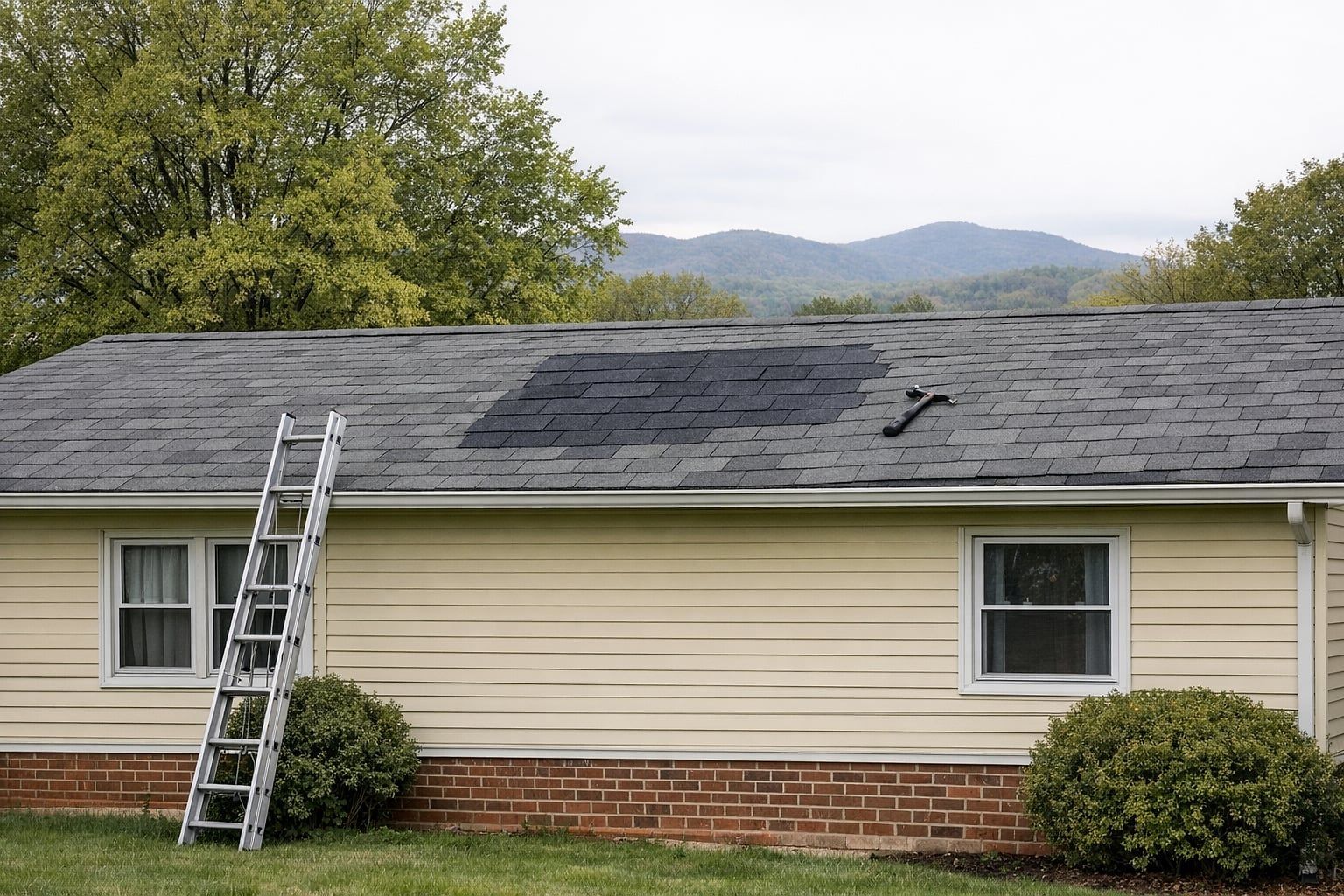
One or two of these signs in a small, isolated area often means a repair will do. Replacement becomes the better call when:
- The roof is near or past its expected lifespan
- Damage or wear is widespread, not isolated to one spot
- You are seeing active leaks or attic moisture
- The roofline is sagging
- You have already repaired the same roof more than once
The honest test is cost over time. Repeated repairs on an old roof often add up to more than a replacement would have cost, while leaving you with a roof still near the end of its life. A trustworthy contractor will tell you when a repair is genuinely enough, rather than pushing replacement you do not need.
Why Shenandoah Valley Homeowners Choose Baber Enterprises
For more than 40 years, Baber Enterprises has helped homeowners across the Shenandoah Valley decide when a roof can be saved and when it is time to replace. Three generations of our family have inspected these roofs, and we have built our reputation on honest assessments rather than upselling.
As a GAF Master Elite contractor, a certification held by less than 2% of roofing companies in the country, we back our replacements with enhanced manufacturer warranties and install every roof to GAF's highest standards. That certification, paired with decades of local experience, is why homeowners trust our read on whether a roof needs replacing.
Homeowners choose Baber for:
- Three generations of Shenandoah Valley roofing experience
- GAF Master Elite certification and stronger warranties
- Honest repair-versus-replace assessments
- Licensed and insured local crews who know Virginia weather
- Financing options for qualified homeowners
- Free, no-pressure inspections
We serve Staunton, Waynesboro, Fishersville, Stuarts Draft, Augusta County, and the surrounding Valley.
Schedule Your Free Roof Inspection in the Shenandoah Valley
If you are seeing one or more of the signs in this guide, the smart move is to get a professional eye on it before the next storm forces the issue. Baber Enterprises offers free, no-pressure roof inspections for homeowners throughout Staunton, Waynesboro, Fishersville, Augusta County, and the wider Shenandoah Valley.
We will assess your roof honestly, tell you whether a repair will do or replacement makes more sense, and explain the costs and any insurance angle clearly. If financing would make a replacement easier, we will walk through that too.
Call Baber Enterprises today or request your free inspection online, and get a clear answer on the state of your roof.
Frequently Asked Questions
What are the signs you need a new roof?
The main signs you need a new roof are widespread curling, cracked, or missing shingles, granule loss in the gutters, ceiling or attic water stains, daylight visible through the roof boards, a sagging roofline, and an age of 20 to 25 years or more. Several of these together usually mean replacement rather than repair.
How do I know if my roof is just old or actually failing?
Age is a signal, not a verdict. A roof can be 20 years old and still sound, or 15 years old and failing after storm damage. The way to know is whether age is paired with active signs like leaks, heavy granule loss, or widespread shingle damage. A professional inspection settles it.
Can a roof be repaired instead of replaced?
Often, yes. Isolated damage on a roof with years of life left is usually a repair. Replacement makes more sense when damage is widespread, the roof is near the end of its lifespan, there are active leaks, or the home has needed the same repair more than once. An honest contractor will tell you which applies.
Will insurance pay for my new roof in Virginia?
Insurance generally covers roof replacement or repair when the damage comes from a sudden covered event like a storm, hail, or wind, rather than from age and wear. If a Shenandoah Valley storm damaged your roof, you may qualify for a claim covering most of the cost beyond your deductible.
How long does a roof last in the Shenandoah Valley?
In the Virginia climate, a typical architectural asphalt shingle roof lasts about 25 to 30 years, while budget 3-tab shingles last closer to 15 to 20 years. Metal roofs can last 40 to 70 years. Proper installation, ventilation, and storm history all affect where a given roof lands.
Is a sagging roof an emergency?
A visibly sagging or dipping roofline is one of the more serious signs and should be inspected promptly. It can point to structural problems, water-damaged decking, or supports under stress, rather than simple shingle wear. It is worth a professional look sooner rather than waiting for a storm.