Best Roofing Materials for Shenandoah Valley Homes (2026)
A roof in the Shenandoah Valley has to handle a little of everything. Hot, humid summers. Wind and hail from spring and summer storms. Freeze-thaw cycles in winter that work on every weak point. Choosing the best roofing material for the Virginia climate is not about chasing the fanciest option. It is about matching the material to the weather it has to survive.
The short answer for most Valley homeowners is that architectural asphalt shingles offer the best overall balance of cost, durability, and performance, which is why they top the majority of roofs in Staunton, Waynesboro, and Augusta County. Metal is the standout for longevity and is worth a serious look if you plan to stay in your home for decades. Other materials have their place, but those two cover most situations well.
This guide walks through the materials that actually make sense here, how each one holds up to Virginia weather, what you can expect for lifespan and cost, and how to decide which fits your home and your plans.
Quick Answer: Best Roofing Materials by Priority
| If your priority is... | Best material | Typical lifespan |
|---|---|---|
| Best overall value | Architectural asphalt shingles | 25 – 30 years |
| Longest lifespan | Standing seam metal | 40 – 70 years |
| Lowest up-front cost | 3-tab asphalt shingles | 15 – 20 years |
| Premium curb appeal | Designer / luxury shingles | 30 – 40 years |
| Energy efficiency | Metal or reflective shingles | Varies |
For the typical Shenandoah Valley home, architectural asphalt shingles win on balance. Metal wins when long-term ownership and lifespan matter most. The rest come down to budget and taste.
What the Virginia Climate Demands From a Roof
Before picking a material, it helps to understand what your roof is up against in this part of Virginia.
Storms and wind. Spring and summer bring strong storms through the Valley, sometimes with hail and high winds. Wind resistance and impact resistance matter here.
Humidity and heat. Long, humid summers encourage algae growth and put thermal stress on roofing. Materials that resist algae and handle heat cycling last longer.
Freeze-thaw. Winter temperatures swing above and below freezing repeatedly. Water that gets into a small gap, freezes, and expands will widen that gap over time. Quality underlayment and proper installation matter as much as the material itself.
Sun exposure. UV breaks down roofing materials slowly over years. Higher-quality shingles and metal handle it better than budget options.
A material that shrugs off all four of these is going to outlast one that only handles a couple. That is the lens to judge each option through.
Architectural Asphalt Shingles: The Valley Standard
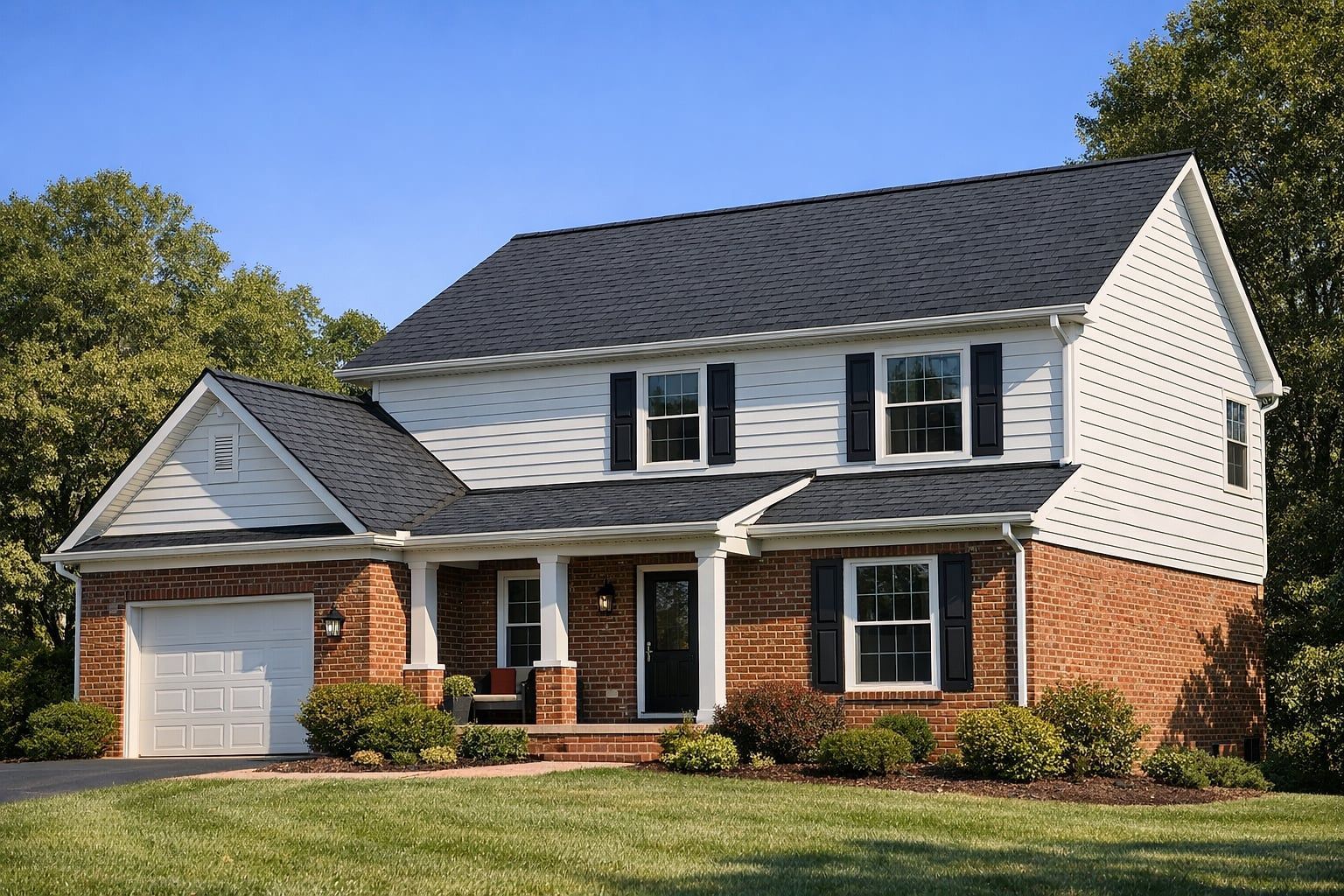
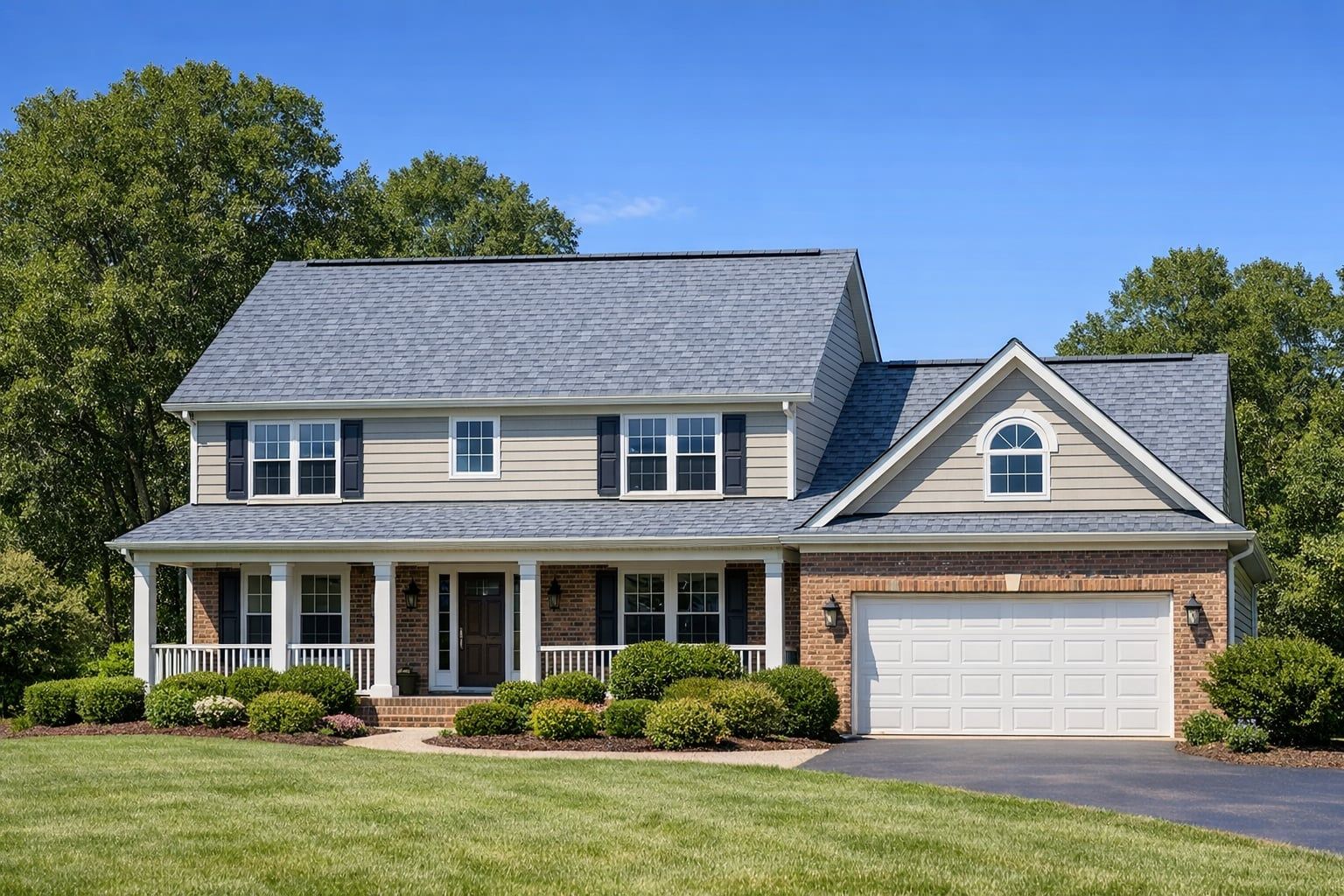
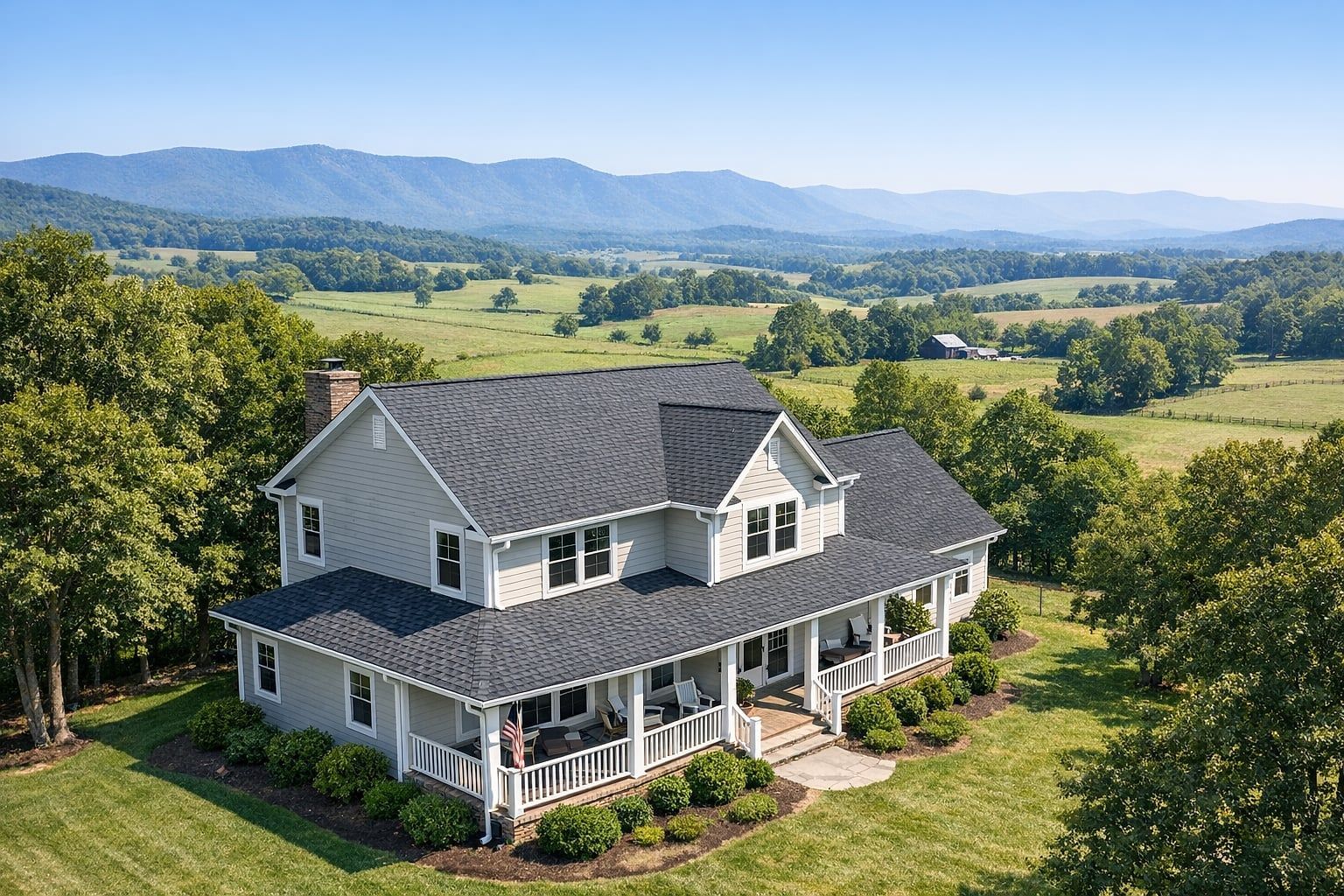
Architectural shingles, also called dimensional or laminate shingles, are the most common roofing material on Shenandoah Valley homes, and for good reason.
- Lifespan: Typically 25 to 30 years with proper installation and ventilation.
- Wind resistance: Many are rated to withstand winds of 110 to 130 mph, which covers the storms our area sees.
- Cost: The most budget-friendly quality option, anchoring the local price ranges.
- Looks: A layered, dimensional appearance that suits most home styles in the area.
They handle Virginia's mix of heat, humidity, and storms well, and the warranty options are strong, especially when installed by a certified contractor. For most homeowners in Staunton, Waynesboro, and Fishersville, this is the default choice and the right one.
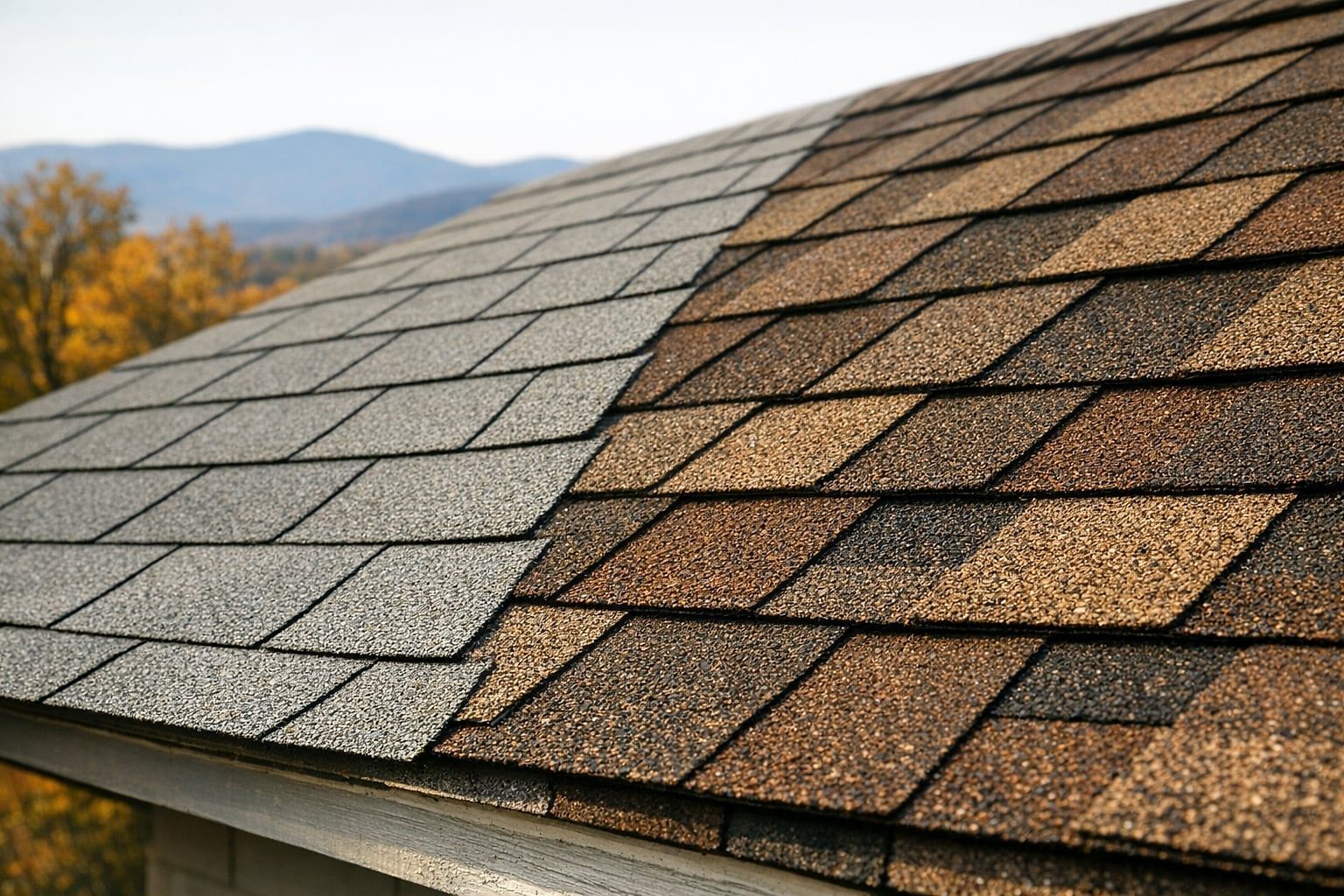
A quick note on 3-tab shingles, the flat, older-style asphalt option: they cost a bit less up front but last only 15 to 20 years and resist wind less effectively. Most homeowners now skip them in favor of architectural shingles, which deliver far more roof for a small step up in price.
Standing Seam Metal: The Longevity Champion
If you plan to stay in your home for the long haul, metal roofing deserves a serious look.
- Lifespan: 40 to 70 years, often outlasting two or three asphalt roofs.
- Weather performance: Excellent wind resistance, sheds snow and ice well, and stands up to the freeze-thaw cycle.
- Energy: Reflects heat, which can ease summer cooling loads in the Valley.
- Cost: Significantly higher up front, often roughly double an asphalt roof.
The trade-off is the up-front cost. Metal asks more at the start but can cost less per year of service over its full life. For homeowners staying put for decades, that math often favors metal. For those who may move within ten years, asphalt usually makes more sense. We go deeper on this in our dedicated metal-versus-shingle comparison.
Premium and Designer Shingles
For homeowners who want a higher-end look without moving to metal, designer or luxury shingles are a middle path. They mimic the appearance of slate or wood shake, carry longer warranties, and often last 30 to 40 years. They cost more than standard architectural shingles but less than most metal installations. These tend to suit larger or more architecturally detailed Valley homes where curb appeal carries weight. If your home has steep gables, prominent rooflines, or you simply want it to stand out in the neighborhood, designer shingles deliver that upgrade while still using the asphalt technology that performs so reliably in the Virginia climate.
How Material Choice Affects Your Insurance
Material choice is not only about looks and lifespan. It can also affect how your roof fares in a claim.
Impact-resistant and wind-rated materials hold up better in storms, which means less likelihood of damage in the first place. Some insurers offer consideration for impact-resistant roofing, and a newer, properly installed roof is generally viewed more favorably than an aging one.
When storm damage does happen, the question becomes whether insurance covers the replacement. Coverage generally applies to sudden storm, wind, or hail damage rather than age-related wear. Baber Enterprises offers free roof inspections to help Shenandoah Valley homeowners assess potential storm damage and understand whether a claim is worth pursuing.
Matching the Material to Your Home and Plans
Pulling it together, here is how to think about the decision:
- Staying 10 years or less, budget-conscious: Architectural asphalt shingles. Best value, proven in this climate.
- Staying 20-plus years, want it done once: Standing seam metal. Higher cost, longest life.
- Want premium looks, flexible budget: Designer shingles.
- Tightest possible budget: 3-tab is an option, but know you will likely replace sooner.
The best material is the one that fits both your roof and how long you plan to own the home. A good contractor will help you weigh that honestly instead of steering you toward the priciest option.
What Affects How Long Your Roof Actually Lasts
The lifespan numbers above assume the roof was installed correctly and cared for. Two homes with the same shingles can see very different results, and the difference usually comes down to a few factors that have nothing to do with the material itself.
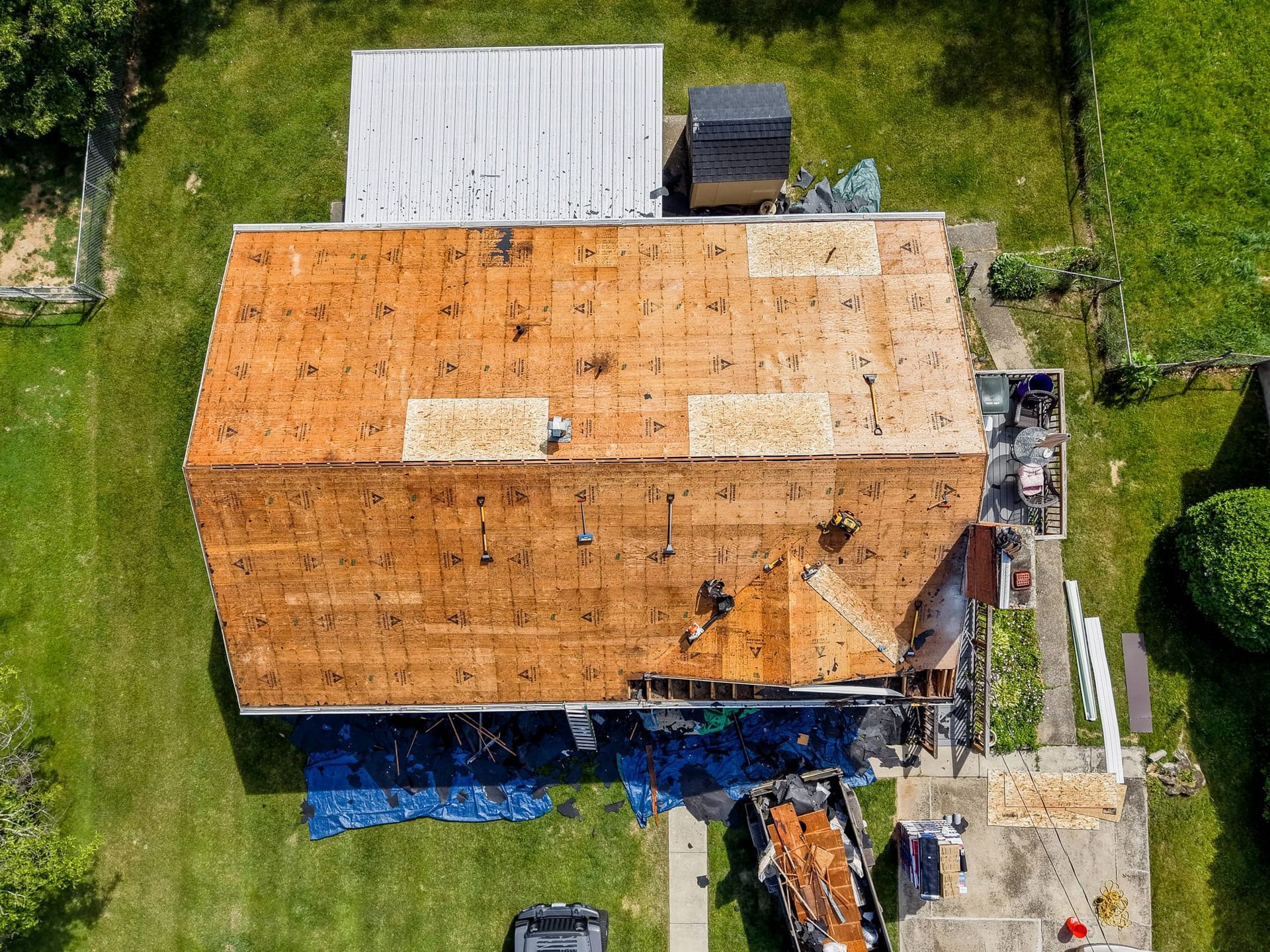
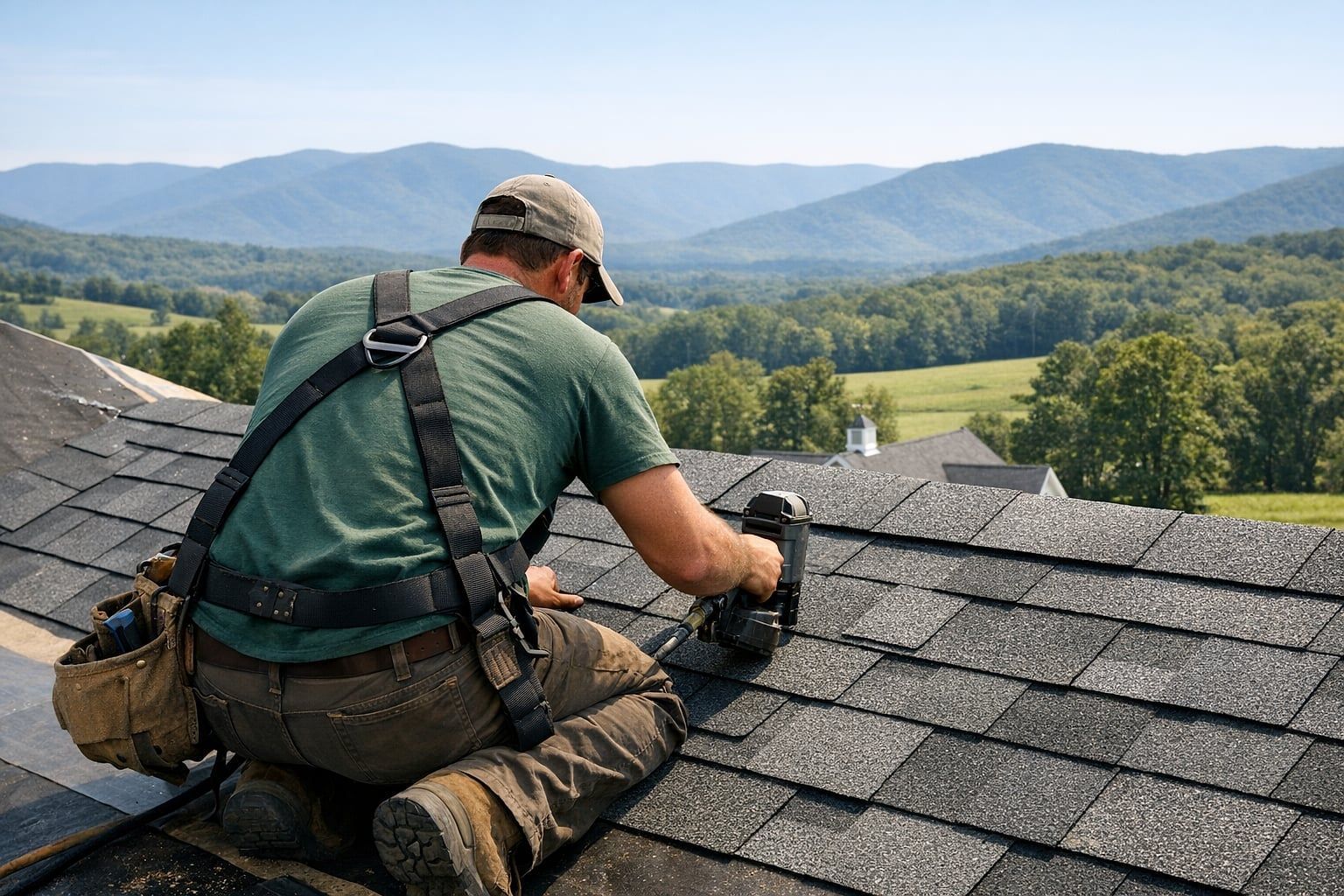
Installation quality. This is the big one. A premium shingle installed poorly will fail early, while a mid-grade shingle installed by a skilled, certified crew can reach its full rated life. Fasteners, nailing patterns, and proper flashing all matter more than most homeowners realize.
Ventilation. A roof needs to breathe. Poor attic ventilation traps heat and moisture, which cooks shingles from below and shortens their life. Balanced intake and exhaust ventilation is one of the cheapest ways to protect your investment.
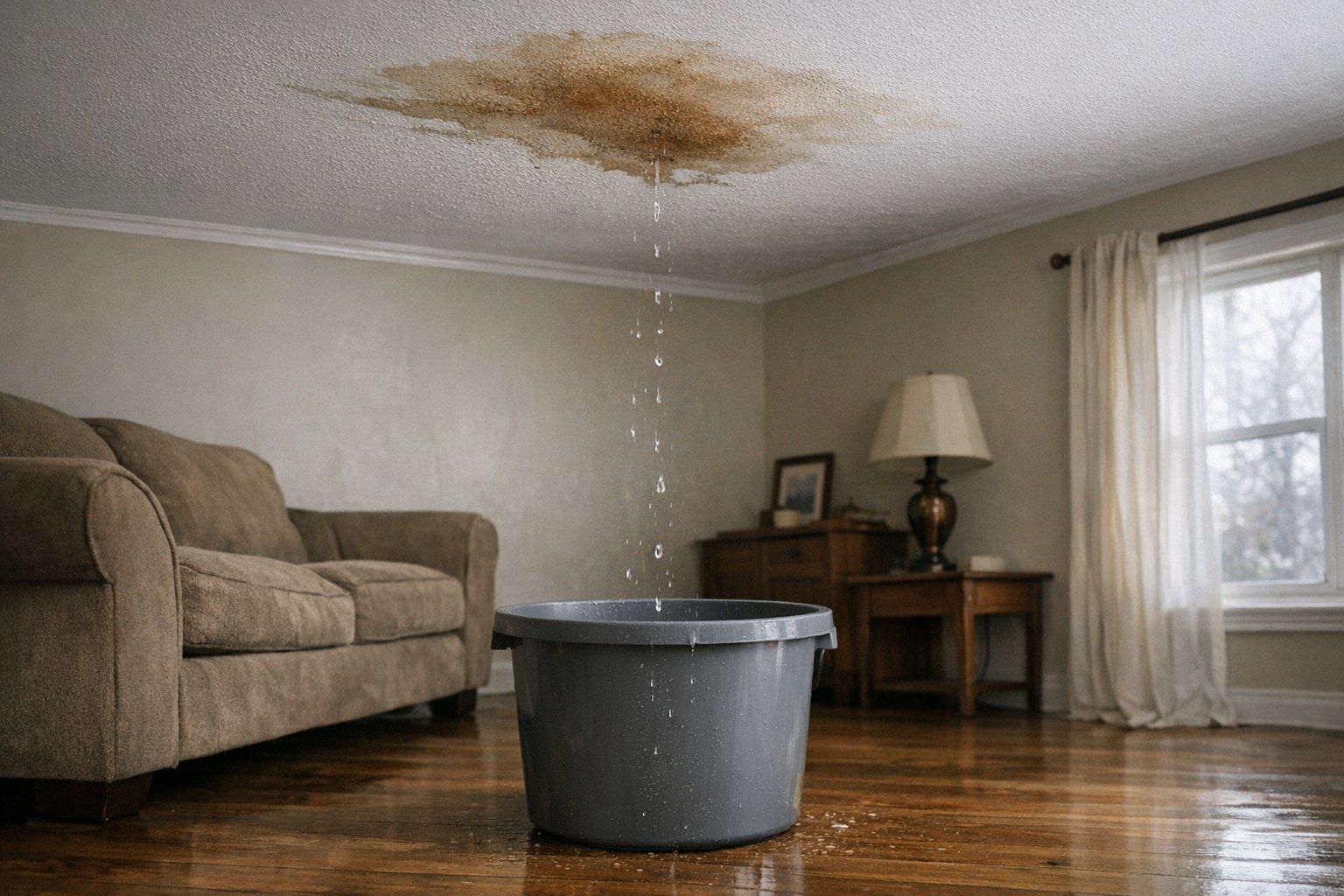
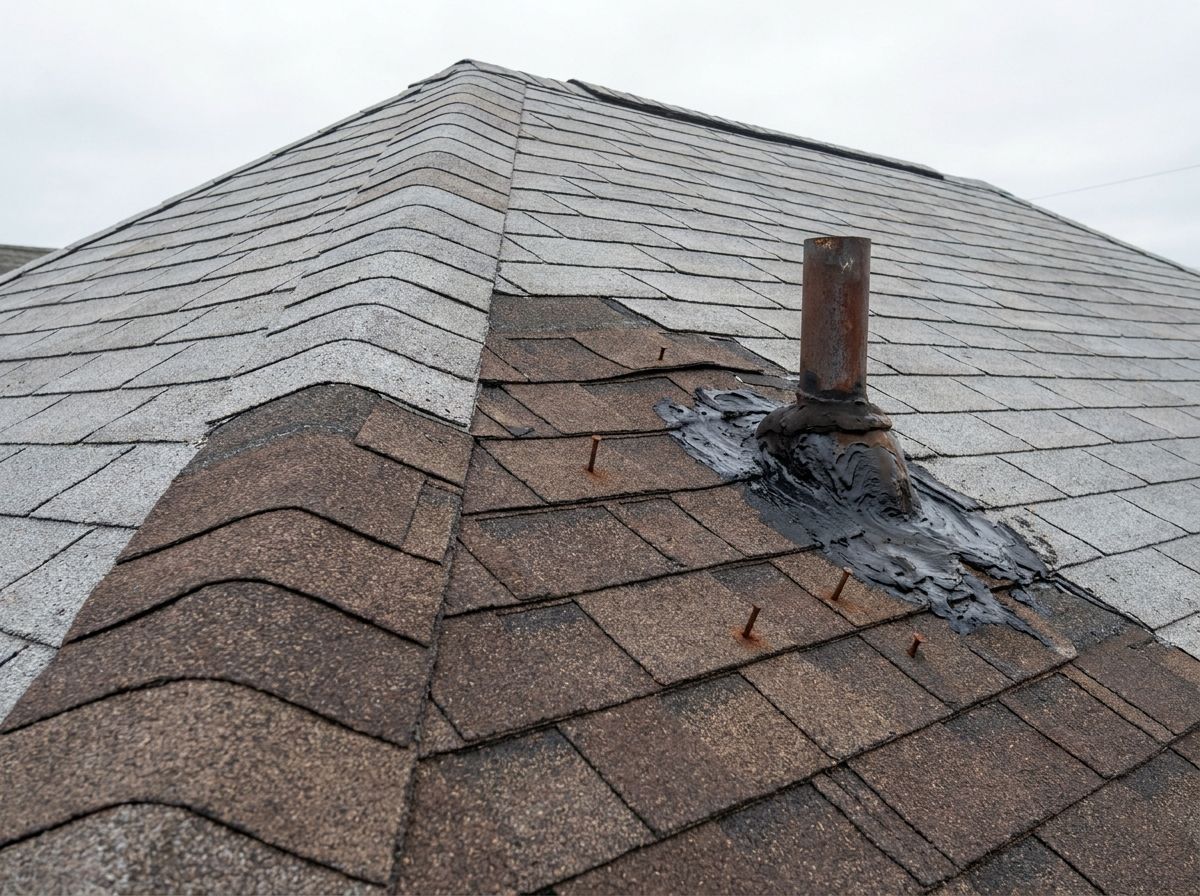
Underlayment and flashing. The shingles get the attention, but the water-resistant layers beneath them and the metal flashing around penetrations are where leaks actually start. Quality components here are what carry a roof through Virginia's freeze-thaw winters.
Maintenance. Simple upkeep extends any roof's life:
- Keep gutters clear so water drains properly
- Trim back overhanging branches that drop debris and scrape shingles
- Have the roof inspected after major storms
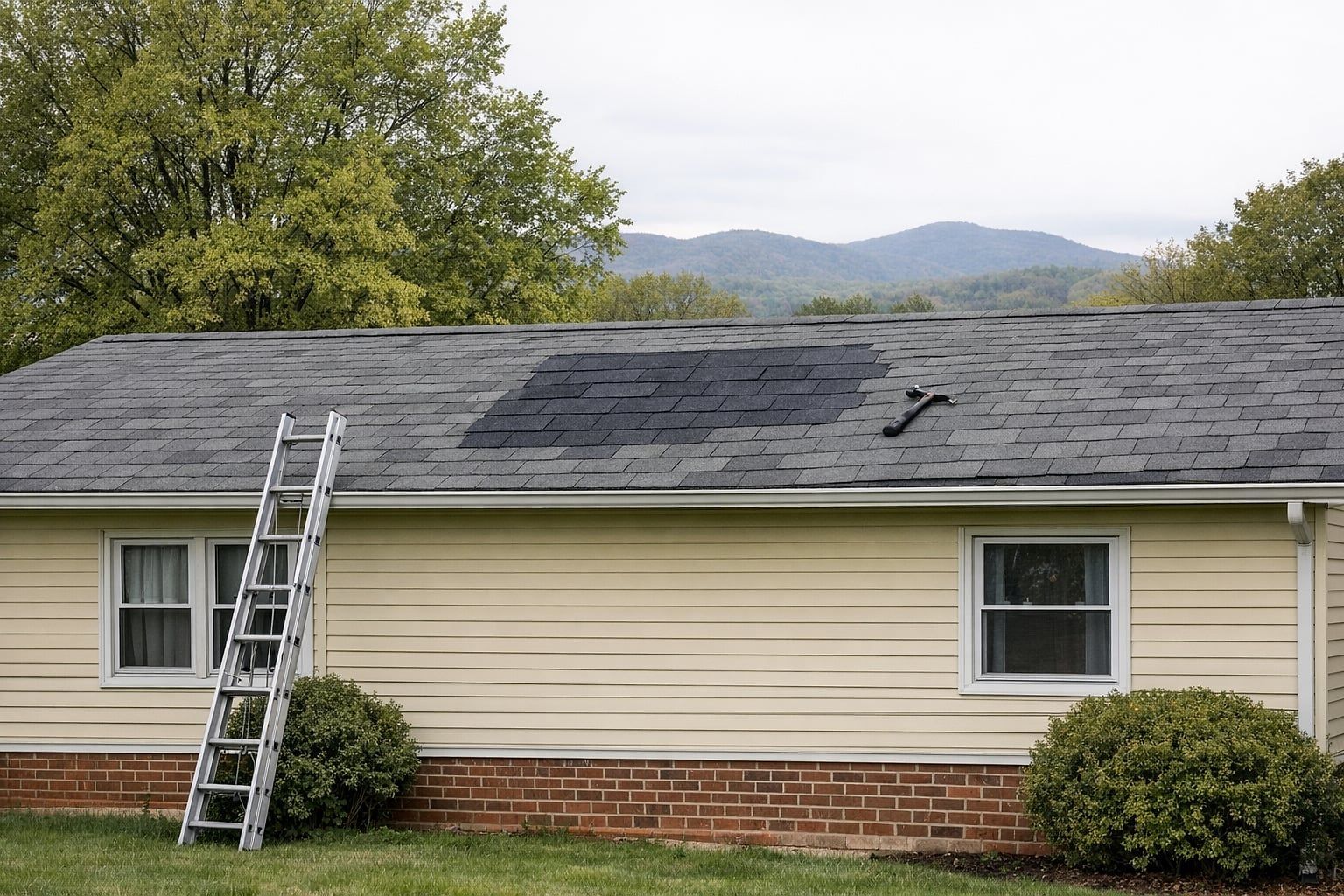
- Address small issues, like a lifted shingle or worn flashing, before they spread
Asphalt and metal both reward this kind of attention. Metal needs less of it, which is part of its long-term appeal, but neither material reaches its full lifespan on neglect alone. The material you choose sets the ceiling. Installation and care determine whether you actually reach it.
Why Shenandoah Valley Homeowners Trust Baber Enterprises
For more than 40 years, Baber Enterprises has installed roofs across Staunton, Waynesboro, Fishersville, Stuarts Draft, and Augusta County. Three generations of our family have learned firsthand what holds up in Virginia weather and what does not, and that experience guides every material recommendation we make.
As a GAF Master Elite contractor, a status held by less than 2% of roofing companies in the country, we can offer enhanced, manufacturer-backed warranties on the asphalt systems most Valley homeowners choose. That certification also means our installations meet GAF's highest standards, which is what actually determines whether a roof reaches its full rated lifespan.
Homeowners choose Baber for:
- Three generations of Shenandoah Valley roofing experience
- GAF Master Elite certification and stronger warranties
- Honest material guidance based on your home and timeline
- Licensed and insured local crews
- Financing options for qualified homeowners
- Transparent pricing and no-pressure inspections
Get Expert Material Guidance With a Free Inspection in the Shenandoah Valley
Not sure which roofing material is right for your home? The best next step is a free, no-pressure inspection. Baber Enterprises serves homeowners throughout Staunton, Waynesboro, Fishersville, Augusta County, and the surrounding Valley.
We will look at your roof's condition, your home's style, and how long you plan to stay, then walk you through the material options that actually fit. We will explain the costs honestly and talk through financing if it would help. No pressure to decide on the spot.
Call Baber Enterprises today or request your free inspection online to find the right roof for your home and your budget.
Frequently Asked Questions
What is the best roofing material for the Virginia climate?
For most Shenandoah Valley homes, architectural asphalt shingles offer the best overall balance of cost, durability, and storm resistance. Standing seam metal is the best choice for the longest lifespan. Both handle Virginia's mix of heat, humidity, storms, and freeze-thaw cycles well when properly installed.
How long do roofing materials last in Virginia?
In the Virginia climate, architectural asphalt shingles last 25 to 30 years, 3-tab shingles last 15 to 20 years, designer shingles last 30 to 40 years, and standing seam metal lasts 40 to 70 years. Proper installation and ventilation are what let any material reach its full lifespan.
Is metal roofing worth it in the Shenandoah Valley?
Metal roofing is worth it for homeowners planning to stay in their home for decades. It costs roughly double an asphalt roof up front but lasts far longer, handles wind and snow well, and can reduce summer cooling costs. For shorter ownership timelines, asphalt usually makes more financial sense.
Are architectural shingles better than 3-tab shingles?
Yes, for most Virginia homes. Architectural shingles last longer, resist wind better, and look more dimensional than 3-tab shingles, for only a modest increase in cost. That value is why they have become the standard choice across Staunton, Waynesboro, and Augusta County.
Does roofing material affect my home insurance?
It can. Impact-resistant and wind-rated materials are less likely to suffer storm damage, and some insurers give consideration for impact-resistant roofing. A newer, properly installed roof is also generally viewed more favorably than an aging one when it comes to coverage and claims.
What roofing material handles Virginia storms best?
Standing seam metal and quality architectural asphalt shingles handle Virginia storms best. Metal offers top-tier wind resistance and sheds debris well, while many architectural shingles are rated for 110 to 130 mph winds. Both stand up to the hail and wind the Shenandoah Valley sees better than budget 3-tab shingles.
Can I install a metal roof over existing shingles?
In some cases, metal can be installed over a single layer of existing shingles, which can reduce tear-off cost. Whether it is appropriate depends on the condition of the existing roof, the decking underneath, and local code. A professional inspection determines whether it is a safe and sound option for your specific home.