Expert Guide to Residential Standing Seam Metal Roof Installers
Imagine discovering a roofing solution that withstands harsh weather, slashes energy costs, and elevates your home’s value for decades. Traditional asphalt shingles often fail after 20 years, leading to costly replacements and headaches. Standing seam metal roofs change that equation entirely. They offer unmatched durability, sleek aesthetics, and low maintenance, making them ideal for modern homeowners.
In this expert guide to residential standing seam metal roof installers, we analyze everything a beginner needs to know. You will learn the core benefits of these roofs, from superior weather resistance to fireproofing and eco-friendliness. We break down the installation process step by step, highlighting what sets professional installers apart. Expect in-depth evaluations of qualifications to seek, common pitfalls to avoid, and cost breakdowns based on real-world data. Whether you are building new or upgrading, this analysis equips you to select reliable residential standing seam metal roof installers confidently. By the end, you will make informed decisions that protect your investment for generations.
What Are Standing Seam Metal Roofs
Standing seam metal roofs represent a premium concealed-fastener roofing system designed for superior performance and longevity. These roofs consist of long, continuous panels featuring raised vertical seams, typically 1 to 2 inches high, that run from the eaves to the ridge. The seams are either mechanically crimped using a specialized seamer tool or snapped together over hidden clips, allowing the panels to expand and contract with temperature changes without compromising integrity. Unlike traditional exposed-fastener roofs, no screws or nails penetrate the panel surface, eliminating leak risks from loosening fasteners over time. This design makes them ideal for residential standing seam metal roof installers targeting homeowners seeking durable, low-maintenance solutions. For precise details on these systems, explore resources like Sheffield Metals’ standing seam guide.
Key Types of Standing Seam Systems
Two primary systems dominate residential installations: mechanical crimped seams and snap-lock clip systems. Mechanical seams involve panels locked via clips to the deck, then crimped for a watertight bond; this method excels in wind resistance up to 150 mph and works on lower slopes as shallow as 1:12 pitch. Double-lock variants provide extra security in harsh climates. Snap-lock systems, by contrast, allow panels to snap over clips without tools, speeding installation but suiting steeper slopes of 3:12 or more. Both use sliding clips accommodating up to 1/8 inch movement per 10 feet, preventing warping or oil-canning. Skilled installers, such as those with GAF Master Elite certification, ensure proper underlayment and seaming to prevent leaks, as outlined in McElroy Metal’s standing seam overview.
Residential Appeal and Aesthetic Advantages
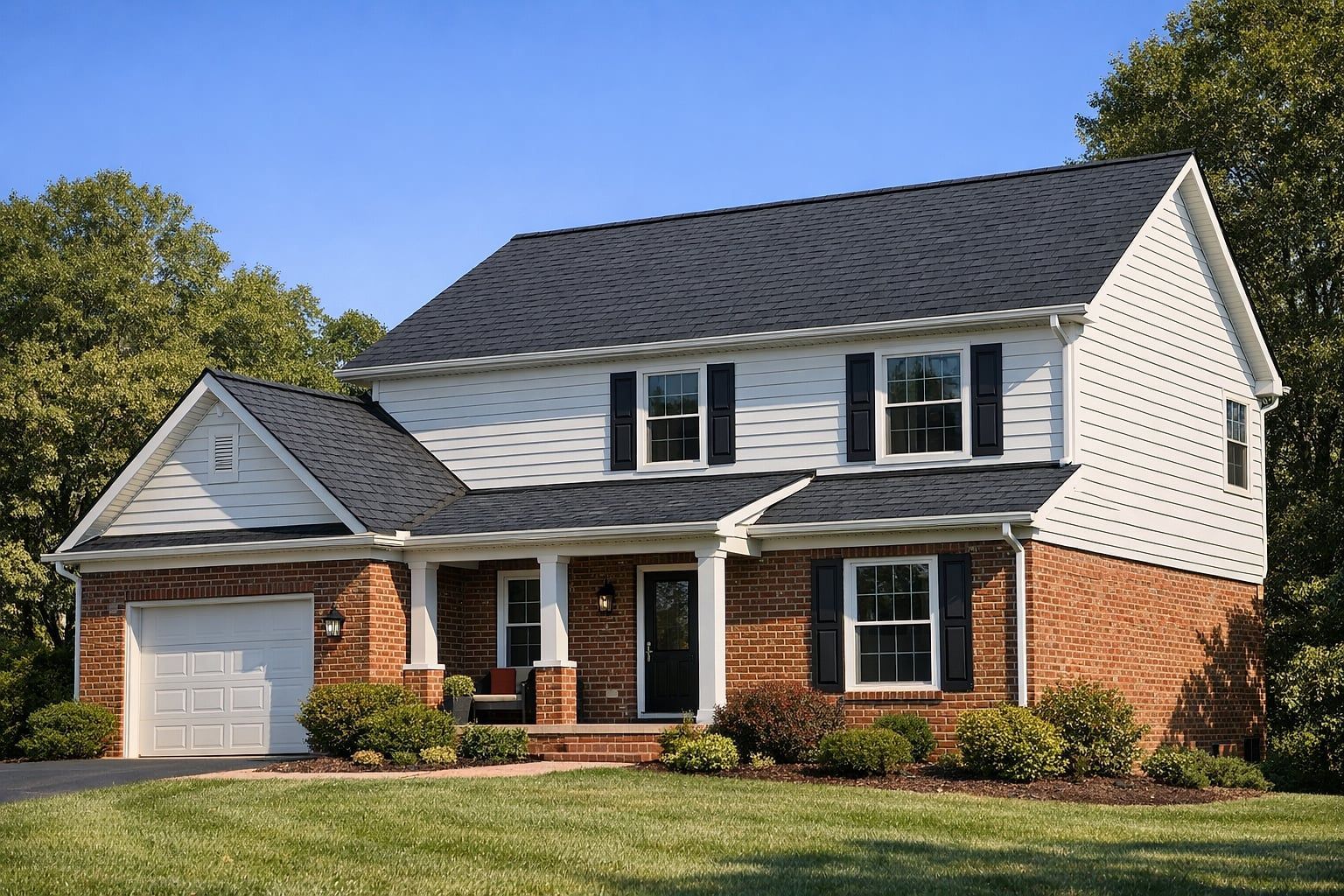
Homeowners favor standing seam roofs for their sleek, modern aesthetic, with clean vertical lines evoking contemporary, industrial, or barn-style charm on sloped roofs. Available in materials like galvanized steel, aluminum, or copper, plus gauges from 24 to 29, they offer customization in bold colors such as matte black or deep greens, boosting curb appeal and property values by 6 to 10 percent. This style suits diverse architectures, from Virginia farmhouses to modern estates, and integrates seamlessly with solar panels via non-penetrating clips. Unlike corrugated panels, the smooth surface resists debris accumulation. Data shows residential applications comprise 85 percent of metal roofing volume, about 3.8 billion square feet annually, reflecting surging demand.
Benefits and Regional Suitability
Key features include Class A fire ratings, 50 to 70+ year lifespans, and energy savings of 20 to 30 percent from reflective surfaces reducing cooling costs. They withstand hail, heavy snow, and winds over 140 mph while remaining lightweight at 0.7 to 1.5 pounds per square foot and 95 percent recyclable. Installation costs range from $10 to $18 per square foot, or $18,000 to $32,000 for a 2,000-square-foot roof, justified by low maintenance and insurance discounts up to 35 percent. In regions like Virginia’s Shenandoah Valley, they shine against severe weather: summer storms with 120 mph gusts, 30+ inches of annual snow, hail, and humidity. Here, they outperform asphalt shingles’ 20 to 30-year life, aligning with local codes. The North American standing seam market grows at 13.2 percent CAGR through 2033, driven by trends in sustainability and resilience. For beginners, consult certified pros early to assess slope compatibility and secure warranties. Compare standing seam to exposed fasteners here.
Top Benefits for Homeowners
Exceptional Longevity: 50-70+ Years Versus Asphalt Shingles’ 20-30 Years
Standing seam metal roofs offer homeowners an unmatched lifespan of 50 to 70 years or more, dramatically outlasting traditional asphalt shingles, which typically endure only 20 to 30 years. This superior durability arises from the robust construction of continuous panels with raised seams that resist corrosion, cracking, and degradation from UV exposure, hail, and extreme temperatures common in regions like Virginia’s Shenandoah Valley. Industry data confirms this gap; for instance, three-tab asphalt shingles last around 20 years, architectural variants reach 22 to 25 years, and even premium options top out at 30 years, often requiring multiple replacements over a metal roof’s life. Metal roof vs. shingles life expectancy highlights how proper installation by skilled residential standing seam metal roof installers preserves 40- to 50-year warranties, translating to significant long-term savings despite higher initial costs of $10 to $18 per square foot. Homeowners benefit from fewer disruptions, lower lifetime expenses, and preserved property value, as a single investment covers generations. Consider a 2,000-square-foot home: one metal roof avoids two or three shingle replacements, each involving labor, disposal fees, and potential structural wear.
Superior Energy Efficiency: Reflective Surfaces Reduce Cooling Costs Up to 20-30%
The reflective properties of standing seam metal roofs provide substantial energy savings, cutting cooling costs by 20 to 30 percent in warmer climates through advanced coatings that deflect sunlight. These surfaces can lower peak roof temperatures by over 50 degrees Fahrenheit compared to dark asphalt shingles, which absorb heat and drive up air conditioning use. Energy Star-certified cool roof paints reflect 30 to 90 percent of solar radiation while emitting absorbed heat, qualifying for rebates and improving overall home efficiency. In the Shenandoah Valley, where summers bring intense sun, this feature reduces heat transfer into attics, easing HVAC strain and shrinking utility bills; studies show potential total energy cost reductions of up to 40 percent. Trends in 2026 emphasize PVDF coatings and thermal breaks for enhanced performance, often paired with solar panel integration for net-zero potential. Actionable insight: Select light-colored panels during installation to maximize reflectivity and pair with proper attic insulation for optimal results.
Unmatched Safety: Wind Resistance Up to 150+ MPH and Class A Fire Rating
Safety stands out with standing seam metal roofs’ ability to withstand winds exceeding 150 miles per hour, thanks to interlocking seams and concealed clips that secure panels against uplift during storms. This resilience suits the Shenandoah Valley’s severe weather, including high winds and hail, earning Class 4 impact ratings and frequent insurance discounts of 10 to 35 percent. All metal roofs achieve the highest Class A fire rating under UL 790 standards, as non-combustible materials resist flame spread, intermittent flames, and burning brands, outperforming shingles in wildfire-prone areas. Metal roofing industry trends notes that assemblies with fire-resistant underlayments like DensDeck maintain this rating over wood decks, providing peace of mind for families. Beginners should prioritize certified installers to ensure seam integrity and full wind warranties. Real-world example: Post-hurricane inspections often reveal metal roofs intact while shingles scatter, minimizing repair needs.
Low Maintenance and Eco-Friendliness: Recyclable Materials Dominate Residential Use
These roofs demand minimal upkeep, with occasional debris clearance and inspections sufficing due to seamless, weather-tight designs that prevent leaks and mold. Eco-benefits shine through recyclable steel or aluminum panels containing 25 to 95 percent recycled content and fully recyclable at end-of-life, supporting LEED certification and landfill diversion. Notably, residential applications account for about 85 percent of metal roofing volume, or roughly 3.8 billion square feet annually, driven by sustainability demands in a market growing at 5 percent CAGR. Metal roofing trends guide 2026 underscores 2026 shifts toward solar-ready, noise-reducing systems with earth-tone finishes. Homeowners gain actionable value by choosing GAF Master Elite contractors for precise installation, ensuring eco-performance and longevity. This combination positions standing seam roofs as a smart, future-proof choice for discerning homeowners.
The Professional Installation Process
Prerequisites for a Leak-Proof Foundation
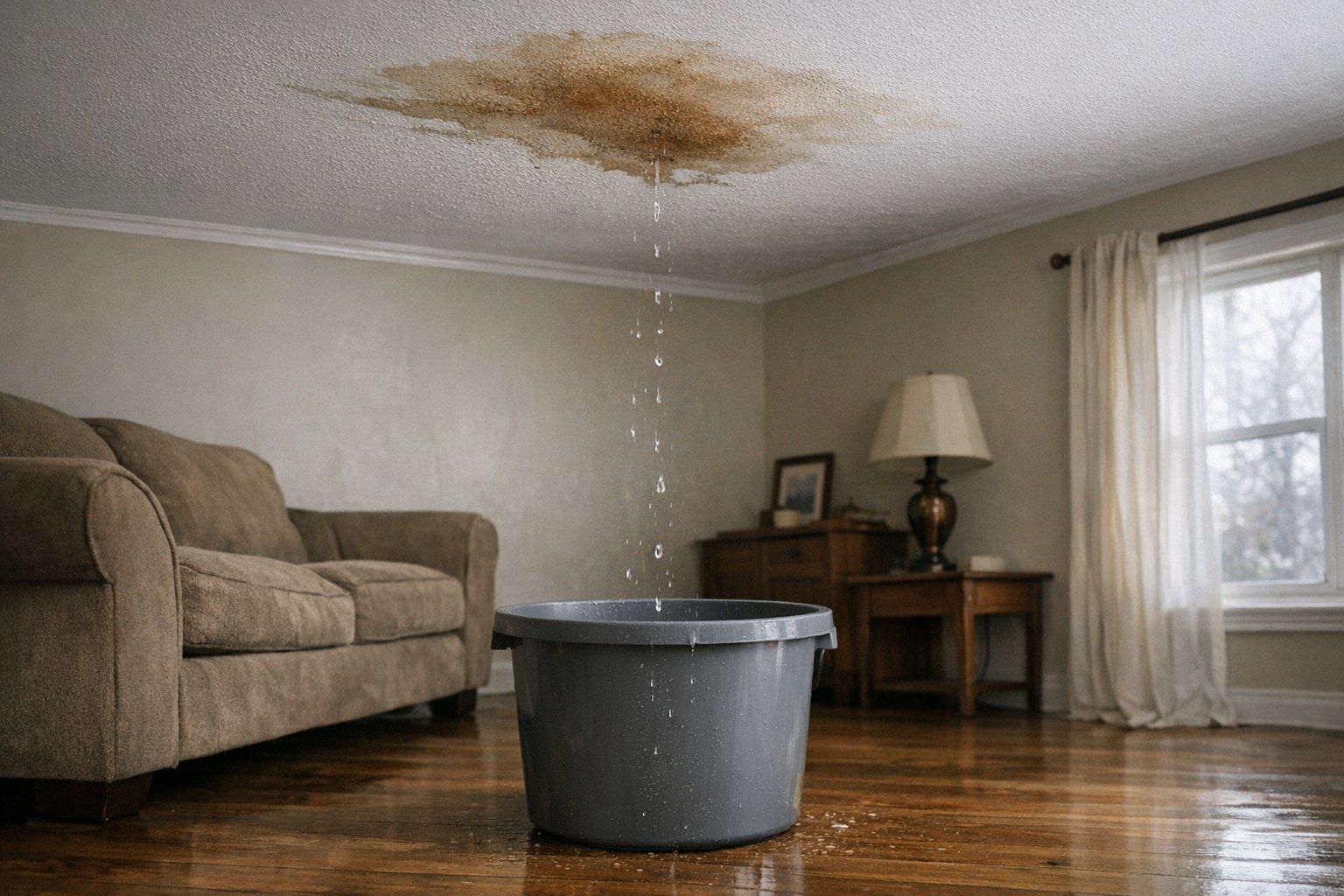
Before any panels touch the roof, residential standing seam metal roof installers must address critical prerequisites to ensure long-term leak prevention and structural integrity. Slope assessment comes first; these systems typically require a minimum 3:12 pitch for effective gravity drainage, though advanced setups with full ice and water shields can handle as low as 0.5:12 in certain conditions. In regions like Virginia’s Shenandoah Valley, where heavy rains and wind exceed 120 mph, experts recommend 4:12 or steeper pitches to avoid water ponding and capillary action at seams, as confirmed by manufacturer guidelines to preserve warranties up to 50 years. Next, underlayment installation forms the secondary waterproof barrier: synthetic mechanically fastened sheets or self-adhered peel-and-stick membranes rated for high heat (240°F+) get applied starting at the eaves with 6-12 inch overlaps in a shingled pattern, extending 2 feet into valleys and walls. Asphalt felt is outdated, prone to wrinkling and telegraphing through panels, while modern synthetics resist condensation and mold for decades. Proper deck inspection precedes this; any rot or uneven plywood must be repaired for a smooth substrate, preventing oil-canning and future failures. These steps alone reduce leak risks by addressing 80-90% of issues before panels arrive, per industry analyses.
Step 1: Removing Old Roofing and Inspecting Decking
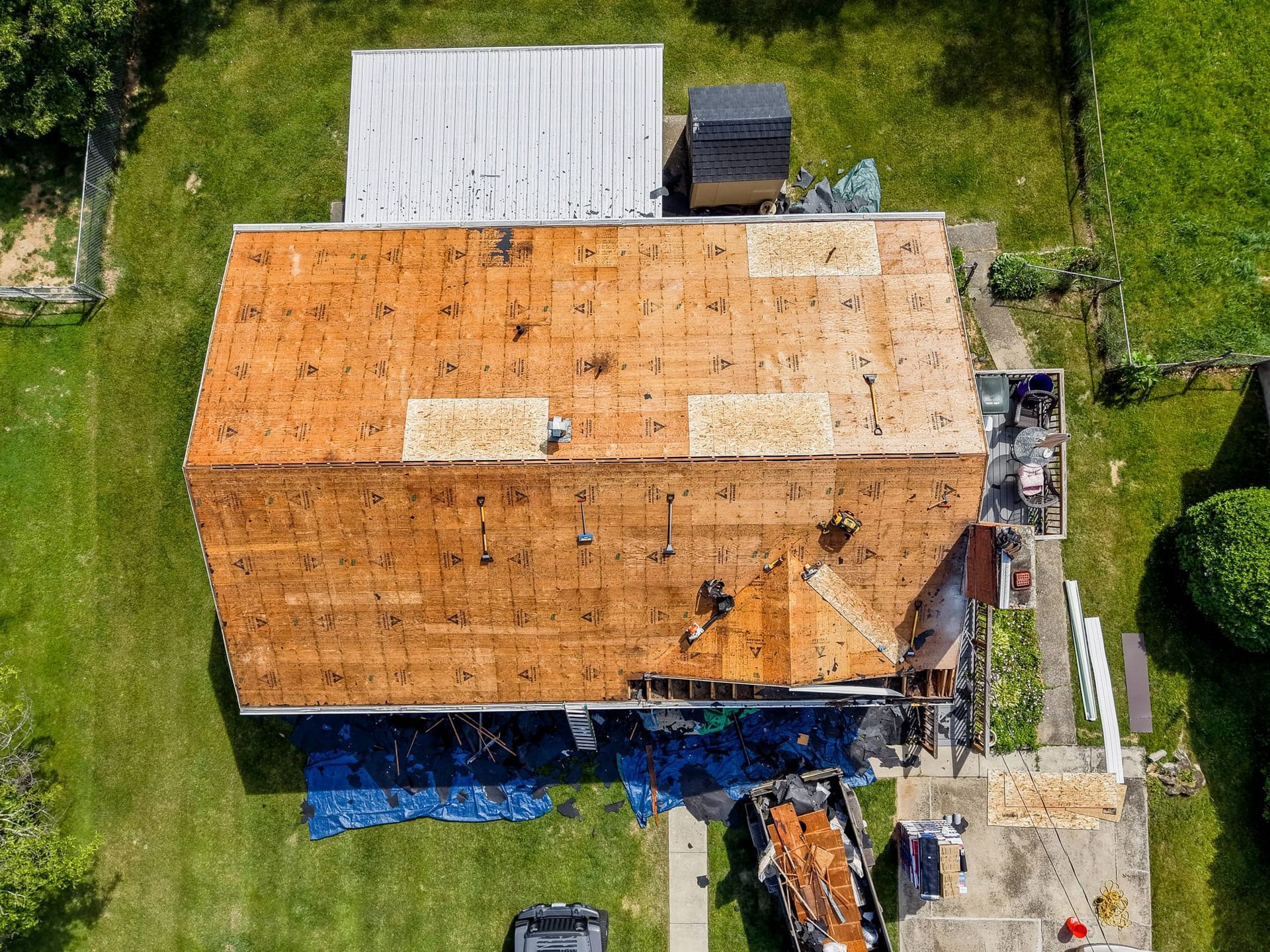
The installation begins with a thorough tear-off of existing roofing materials, such as asphalt shingles, starting from the ridge or farthest edge to minimize debris fallout and protect landscaping below. Crews expose the full decking of plywood or OSB, then meticulously inspect for damage: soft spots, moisture intrusion, or warping signal replacements with new 5/8-inch tongue-and-groove sheathing for uniform support. In a typical 2,000 sq ft Shenandoah Valley home, this phase uncovers issues in 20-30% of cases due to prior shingle failures, ensuring the base withstands 150+ mph winds and 50-70 year lifespans. Actionable insight: use moisture meters and infrared scans for hidden rot; full deck replacement, though rare, costs $3-5 per sq ft but prevents $10,000+ in callbacks. Once cleared, install drip edges and edge locks at eaves and rakes, snapping chalk lines for perfect squareness.
Step 2: Laying Panels from the Eaves Upward
With prerequisites complete, panels install from the eaves upward, hooking the first row into edge strips before securing hidden clips every 12-24 inches via gimlet screws into the deck. Long continuous panels, often 16-20 gauge steel in matte black or earth tones, interlock along 1-2 inch raised seams; subsequent rows slide into place for thermal expansion without fastener exposure. Specialized seam seaming tools, like hand crimpers or electric benders, then lock seams uniformly: snap-lock for quicker jobs, double-lock for high-wind zones. This methodical eaves-to-ridge progression, detailed in professional installation guides, accommodates movement and yields watertight seals, boosting energy efficiency with 10-25% cooling savings. For a 2,000 sq ft roof at $9.50-$16 per sq ft, precise cuts with metal snips avoid waste exceeding 5%.
Step 3: Securing Clips and Flashing All Penetrations
Clips, pre-applied with butyl tape, mechanically fasten panels without deck penetration, spaced to allow 1/16-inch expansion per 10 feet of temperature change and preventing cracks. Flashing seals transitions: 6-inch valley overlaps with sealant, step flashing around chimneys, rubber boots for pipes, and Z-bars under ridge caps, all riveted for movement. Ventilation caps ensure attic airflow, critical in humid climates. Final walkthrough verifies seams and cleanup.
Why Skilled Pros Are Non-Negotiable
Amateurs risk 80-90% of leaks from incomplete crimps, over-tight clips, or sealant-only flashing, voiding warranties and costing $18,000-$32,000 in replacements, as 2026 roofing statistics show. Certified installers like those at Baber Enterprises Inc., with 40+ years and GAF Master Elite status, use ASTM-compliant tools for flawless execution, ideal for Shenandoah Valley storms. Their third-generation expertise delivers 13% market-leading performance, ensuring your investment thrives for generations.
Installation Costs and Pricing Factors
When considering residential standing seam metal roof installers, understanding installation costs is crucial for budgeting effectively. In Q1 2026, expect installed prices to range from $10 to $18 per square foot , equating to $18,000 to $32,000 for a typical 2,000 square foot roof. Steel panels, such as Galvalume or painted PVDF, anchor the lower end at around $10 to $14 per square foot due to their affordability and availability. Premium copper options, prized for their patina and 100+ year lifespan, elevate costs to $20 or more per square foot, potentially pushing a 2,000 square foot project toward $40,000 or higher. These figures include materials, labor, underlayment, and basic trim, based on national averages from industry reports. Labor alone accounts for 50 to 60 percent of the total, often $2 to $6 per square foot, varying by regional wages.
Key Pricing Factors Influencing Your Quote
Several variables dictate the final price beyond basic material choice. Material gauge plays a pivotal role; 24-gauge steel, the standard for structural integrity in standing seam systems, costs 20 to 30 percent more than thinner alternatives but ensures wind resistance up to 150 mph. Roof complexity adds significant expense: simple gable designs serve as the baseline, while steep pitches over 6:12 or features like valleys and dormers increase labor by 15 to 50 percent due to custom flashing and safety measures. Location matters too, especially in the Shenandoah Valley, where moderate labor rates keep costs toward the lower spectrum compared to coastal or Northeast markets, though Q1 2026 supply chain disruptions have driven steel prices up 20 percent and aluminum 33 percent year-over-year. Permits and tear-off add $1 to $5 per square foot, while extras like synthetic underlayment boost totals by 10 percent. For precise estimates, consult local experts familiar with Virginia’s weather demands. Check detailed breakdowns at standing seam metal roof cost guide and metal roof pricing factors.
Market Growth and Investment Context
The broader metal roofing market underscores standing seam’s rising value, valued at $20.4 billion in 2025 and projected to reach $30.6 billion by 2033 at a 5.2 percent CAGR . Residential applications, comprising 85 percent of volume, fuel this expansion through demand for durable, energy-efficient options amid climate challenges. In North America, the standing seam segment grows at 13.2 percent CAGR through 2033, driven by sustainability trends like recyclable materials and cool coatings that cut cooling costs 10 to 25 percent.
Maximizing Long-Term Value and Savings
Opting for professional installation yields substantial ROI over asphalt shingles’ 20 to 30-year life. A $25,000 metal roof avoids multiple $15,000 replacements, saving $30,000 to $45,000 over 30 years, plus $200 to $700 annually in energy bills and 10 to 30 percent insurance discounts. To optimize value, secure 3 to 5 quotes for 20 to 30 percent savings, schedule off-season (November to February) for discounts, and select 24-gauge PVDF steel for optimal cost-lifespan balance. Leverage 2026 tax credits up to 30 percent ($1,200 cap) and prioritize GAF-certified installers for 40 to 50-year warranties. Overlaying on existing shingles, if feasible, trims tear-off costs by $2,000 to $10,000. Ultimately, metal’s $500 annual cost-per-year far undercuts asphalt’s $1,000 plus, positioning it as a smart, future-proof choice.
2026 Market Trends and Growth
North America Standing Seam Market: 13.2% CAGR (2026-2033)
The North America standing seam metal roof market stands at the forefront of residential roofing innovation, projecting a robust compound annual growth rate (CAGR) of 13.2% from 2026 to 2033. This surge stems from heightened demand for durable systems that withstand extreme weather, alongside pushes for energy-efficient and sustainable building practices. Residential applications dominate, accounting for about 85% of metal roofing volume, with forecasts indicating U.S. demand could hit 4.8 billion square feet by 2028. Steel panels lead due to their cost-effectiveness and strength, while aluminum offers lightweight corrosion resistance ideal for sloped roofs in regions like Virginia’s Shenandoah Valley. For beginners eyeing an upgrade, this growth signals prime timing; skilled residential standing seam metal roof installers can leverage modular designs and digital tools to deliver future-proof installations. Data from industry reports underscores this momentum, with the segment valued at USD 4.92 billion in 2024 and expected to reach USD 8.67 billion by 2033.
U.S. Residential Reroofing: 18% Market Share and Rising
Metal roofing, particularly standing seam varieties, now claims 18% of the U.S. residential reroofing market, a figure climbing steadily due to their 50+ year lifespan compared to asphalt shingles’ shorter 20-30 years. This shift accelerates in storm-prone areas, where wind resistance up to 150 mph and fire ratings draw homeowners replacing damaged roofs. Recent surveys show 89% of contractors anticipate sales growth, fueled by 23% of homeowners planning reroofs in 2026. Labor challenges persist, with 75% relying on training programs, yet opportunities abound for certified pros. In the Shenandoah Valley, where hail and high winds are common, opting for experienced installers ensures longevity benefits translate to real savings over decades. Check the 2026 State of the Roofing Industry Report for deeper contractor insights.
Sustainability Advances: Solar Integration and Cool Coatings
Sustainability drives 2026 trends, with standing seam roofs excelling through 100% recyclability and compatibility with green standards like LEED. Solar integration via building-integrated photovoltaics (BIPV) attaches thin-film cells directly to panels using clip systems, avoiding penetrations and boosting energy yield by 18% while cutting install costs 30%. Cool coatings with infrared-reflective properties slash cooling bills up to 23%, featuring thermochromic tech that adapts to temperature. Self-healing polymers further extend life by 15 years, minimizing maintenance. Homeowners gain actionable ROI: pair these with solar for net-zero potential, especially in sunny valleys. See panel outlooks in the Metal Roof/Wall Panel Outlook.
Aesthetic Trends: Matte Black, Earth Tones, and Textured Finishes
Aesthetics elevate standing seam roofs from functional to focal, with matte black leading for sleek minimalism and high reflectivity. Earth tones like deep greens, charcoal grays, and honey beiges resurge, blending modern appeal with natural harmony. Textured finishes mimic wood shakes or add pencil ribs for depth, while electrochromic options shift hues dynamically. These choices enhance curb appeal and pair seamlessly with siding in residential designs. For Valley homeowners, select installers versed in custom finishes to match local architecture, ensuring trends align with enduring performance. This evolution positions standing seam as a versatile, forward-looking choice.
Why Perfect for Shenandoah Valley Homes
Tailored Resilience to Local Severe Weather: Hail and High Winds
The Shenandoah Valley faces frequent severe thunderstorms from May to September, bringing hail, damaging winds, and occasional tornado risks that demand roofs built to last. Doppler radar data shows hail detected near Shenandoah, Virginia, on 18 occasions since 2011, including two events in the past year with quarter-size hail on dates like May 30, 2025, and May 15, 2025; the area endured 22 severe weather warnings in the last 12 months alone. Wind gusts routinely exceed 60 mph, toppling trees and power lines, as seen in multiple 2025 reports. Central Virginia recorded 167 hail events from 2009 to 2019, some with stones over 2 inches. Standing seam metal roofs shine in this environment. Their smooth panels, often Class 4 impact-rated, resist denting from hail up to 2 inches, while interlocking seams and hidden clips deliver wind uplift resistance of 110 to 140 mph standard, with premium options reaching 160 to 180 mph. Residential standing seam metal roof installers ensure proper seaming and underlayment, preventing leaks even under extreme duress. This resilience translates to fewer repairs and lower insurance premiums for Valley homeowners.
Aligned with 2026 Resilience Trends: Hurricane-Rated Panels
By 2026, roofing trends emphasize smarter, stronger systems amid climate-driven storms, positioning standing seam metal roofs as leaders with hurricane-rated panels certified to UL 90 standards or Florida High-Velocity Hurricane Zone requirements. These panels withstood 170 mph tests modeled on events like Hurricane Andrew, combining Class 4 hail ratings with enhanced fastening for gusts over 140 mph. The North American standing seam market projects a 13.2% CAGR from 2026 to 2033, driven by residential demand comprising about 85% of metal roofing volume. Globally, the metal roofing sector grows from $20.4 billion in 2025 to $30.6 billion by 2033 at a 5.2% CAGR. For Shenandoah Valley homes, this means future-proofing against intensifying weather; reflective coatings boost energy efficiency, cutting cooling costs, while 50-70+ year lifespans outpace traditional options.
Rising Local Adoption Statistics
Virginia’s roofing market expands at 0.9% annually, with metal roofing capturing 18% of residential reroofing share due to superior longevity and eco-friendliness. Projections forecast 38 million squares installed nationally by 2026. In the Shenandoah Valley, demand surges among homeowners in Harrisonburg, Staunton, and Winchester, favoring standing seam for its fit with rustic farmhouses and mountain homes. Local contractors note preferences for 24-26 gauge panels with Kynar coatings, reflecting a shift toward durable, low-maintenance choices amid rising insurance costs.
Complete Protection: Pair with Gutters and Siding
Maximize benefits by integrating standing seam roofs with seamless metal gutters and durable siding like fiber cement or matching metal panels. Gutters channel heavy rain and snowmelt efficiently, preventing foundation damage, while siding creates a unified envelope resistant to ice dams and wind-driven rain. This holistic approach, offered by experienced Class A contractors, enhances energy efficiency and qualifies for insurance discounts. Homeowners gain a cohesive system with 50% lower lifetime costs, ensuring long-term value in the Valley’s demanding climate. Consult certified installers for tailored assessments.
How to Choose Reliable Installers
Selecting reliable residential standing seam metal roof installers is crucial, as improper installation accounts for up to 80% of metal roof failures, compromising the system’s 50-70 year lifespan, wind resistance up to 150 mph, and energy-efficient reflectivity. Beginners often overlook this, focusing solely on material costs ranging from $10 to $18 per square foot, but expert analysis shows that skilled craftsmanship ensures watertight seams via mechanical crimping or clip systems, preventing leaks in demanding climates like Virginia’s Shenandoah Valley. Prioritize contractors with proven track records to maximize return on investment, where metal roofs now claim 18% of the U.S. residential reroofing market amid a 13.2% CAGR for North American standing seam segments through 2033. Evaluate based on experience, certifications, local service, portfolios, and bundled offerings for optimal value.
Prioritize 40+ Years of Experience and Third-Generation Family-Owned Operations
Longevity in business reflects deep expertise and customer trust, essential for the precision required in standing seam installations on sloped residential roofs. Companies with over 40 years of operation, particularly third-generation family-owned firms, emphasize craftsmanship over short-term gains, handling complex panel alignment and underlayment without cutting corners. For instance, Baber Enterprises Inc., a third-generation Class A General Contractor in Staunton, VA, has served Shenandoah Valley homeowners since 1984, delivering standing seam metal roofs praised for durability in customer testimonials. Verify this through state licensing and BBB accreditation, often A+ rated, as family operations like this maintain accountability across generations. Actionable step: Request timelines of past projects to confirm consistent quality.
Verify GAF Master Elite Certification for Superior Quality Assurance
GAF Master Elite status represents the gold standard, awarded to just 2-3% of U.S. contractors after rigorous training, insurance verification, and annual audits. This certification guarantees factory-trained installers skilled in standing seam techniques, unlocking premium materials and extended warranties like 50-year Golden Pledge coverage, far surpassing basic assurances. Baber Enterprises holds this elite designation, backing their 25-year workmanship warranty on metal roofs with proven results. Beginners should use GAF’s locator tool to confirm; uncertified claims risk callbacks and voided manufacturer guarantees. Data shows certified teams reduce installation defects by up to 50%, ensuring fire-rated Class A performance and thermal expansion tolerance.
Insist on Local Shenandoah Valley Service with Free Inspections and Robust Warranties
Regional expertise navigates Shenandoah Valley specifics, such as heavy snow loads, high winds, and steep pitches ideal for standing seam’s 3:12+ minimum slope. Demand free, on-site inspections to evaluate underlayment and seam compatibility, avoiding generic quotes. Seek 25-50 year material warranties paired with 20-30 year workmanship coverage from local pros serving Staunton, Harrisonburg, and Waynesboro. Baber Enterprises provides these no-obligation assessments, earning A+ BBB and high Angi marks for professional, timely service in intricate Valley terrain. This approach minimizes travel surcharges and ensures tailored resilience against hail and storms.
Demand Portfolios, Case Studies, and High Yelp/Google Rankings Over Vague Promises
Generic claims lack substance; scrutinize detailed portfolios showcasing local standing seam projects with 24-gauge panels, striated finishes, before-and-after photos, and seaming videos. Favor contractors with 4.5+ stars across 100+ Yelp, Google, and Angi reviews, highlighting real residential installs. Baber Enterprises excels here, with 5-star Yelp feedback on “flawless standing seam work” and Facebook case studies of Valley homes transformed for aesthetics and strength. Red flags include stock images or no site visits; always request three local references.
Choose Bundles for Roofs, Gutters, and Siding to Boost Cost Efficiency
Bundling services yields 10-25% savings through single-team mobilization, color-matched aesthetics, and unified warranties, critical as gutters protect seams from water overflow while siding adds 82-86% resale ROI. For a 1,500 sq ft home, standing seam costs average $23,733, dropping further with integrated packages amid 2026 pricing stability. Baber Enterprises offers seamless roofing, gutter, and siding solutions, streamlining Shenandoah Valley projects for efficiency.
Expert tip: Obtain 3-5 bids, confirm $2M+ liability insurance, and prioritize snow-shedding profiles for wetter winters, securing 100% ROI potential.
Emerging Innovations in 2026
Smart Tech: IoT Leak Sensors for Proactive Maintenance
As residential standing seam metal roofs evolve, smart technology leads the charge with IoT-enabled leak sensors embedded in or under panels. These devices monitor moisture, temperature, and structural shifts in real-time, sending smartphone alerts via cloud apps for AI-driven predictions. For beginners, this shifts roofing from reactive repairs to proactive care, potentially cutting annual maintenance costs by 30 percent according to early adopters. Systems integrate seamlessly with concealed fasteners, avoiding seam penetrations that could void warranties. In storm-prone areas like Virginia’s Shenandoah Valley, where undetected leaks cause thousands in damage, adoption is surging; experts predict full residential standardization within three to five years. Homeowners should prioritize installers experienced in these non-invasive setups to maximize benefits.
Color Trends: Bold Darks and Muted Tones for Customization
Customization reaches new heights in 2026 with bold darks and muted tones dominating palettes. Charcoal gray accounts for 28 percent of installs, followed by matte black at 18 percent and deep bronze, offering stark contrast against light siding for modern curb appeal. Muted earth tones like forest green, weathered copper patina, and soft beige blend with natural landscapes, reflecting sunlight to save 10 to 40 percent on cooling. Advanced PVDF coatings and matte textures resist fading, while electrochromic smart coatings shift hues via low-voltage current, lasting 20 years with minimal energy use. These options enhance energy efficiency and HOA compliance. Beginners can visualize pairings using manufacturer samples; select based on home orientation for optimal performance.
Pricing Trends: Supply Chain Impacts on Steel and Copper
Pricing faces upward pressure in Q1 2026 from supply chain disruptions, with steel rising 20.7 percent year-over-year, aluminum 33 percent, and copper 15.7 percent due to tariffs and demand from data centers. Installed costs hold at $10 to $18 per square foot for a typical 2,000-square-foot roof ($20,000 to $36,000 total), but material fluctuations add $1.80 to $3.50 per square foot. Steel remains most affordable at $1.50 to $5 per square foot, while copper hits $9 to $12 for premium aesthetics. Labor comprises 50 to 60 percent, rising with complexity. Actionable advice: Lock in quotes early and compare gauges; long-term, metal’s ROI beats asphalt in 15 to 20 years through savings.
Solar-Compatible Designs for Energy Independence
Solar integration transforms standing seam roofs into energy powerhouses with clip-based, non-penetrating mounts like S-5! PVKIT. Factory-integrated thin-film BIPV cells, such as those on Double-Lok panels, boost output by 18 percent per square foot and cut install costs 30 percent via single-trade efficiency. Bifacial panels gain up to 9 percent on reflective surfaces, ideal for net-zero homes. In sunny Shenandoah Valley regions, 6.5kW systems deliver superior aesthetics and leak-proof seams. Predict a boom as incentives grow; consult certified installers to assess roof slope and clips for seamless retrofits. This positions homeowners for independence amid rising utility costs.
Actionable Takeaways for Your Roof Project
Schedule a Free Inspection First
Begin your residential standing seam metal roof project by scheduling a free inspection with certified professionals. This essential step allows experts to assess your home’s roof pitch, structural integrity, and suitability for standing seam panels, which thrive on slopes of 3:12 or steeper. In the Shenandoah Valley, inspectors evaluate vulnerability to local hail and high winds, ensuring the roof’s 150+ mph resistance aligns with your needs. Data shows improper assessments lead to 80% of metal roof issues, so this prevents leaks from faulty underlayment or seaming. Local pros provide actionable reports with photos and recommendations, setting a solid foundation for quotes.
Compare Quotes from GAF Master Elite Installers
Next, request multiple quotes from GAF Master Elite certified residential standing seam metal roof installers. Focus on details like steel gauge (24-26 optimal), seam type (mechanical or snap-lock), and 50-year warranties. Expect $10-$18 per square foot installed, or $18,000-$32,000 for a 2,000 sq ft roof, varying by complexity. Analyze inclusions like ice-and-water shields for Virginia winters.
Factor in 2026 Trends and Local Expertise
Incorporate 2026 trends like IoT leak sensors and cool reflective coatings for energy savings up to 20% on cooling. The North America standing seam market grows at 13.2% CAGR through 2033, future-proofing your investment. Contact Staunton, VA experts like Baber Enterprises Inc., a third-generation family contractor with 40+ years serving the Shenandoah Valley, for tailored service.
Bundle with Siding and Gutters
Plan comprehensive upgrades by bundling roofing with siding and gutters. This holistic approach enhances curb appeal, improves drainage to protect seams, and often saves 10-15% via package pricing, maximizing your 50-70 year roof’s value.
Conclusion
Standing seam metal roofs deliver unmatched durability that far exceeds traditional shingles, enduring harsh weather for decades with minimal maintenance. They slash energy costs, boost home value, and offer eco-friendly, fireproof protection alongside sleek modern aesthetics. Professional installers, armed with certifications and proven expertise, ensure seamless installation while sidestepping costly pitfalls like improper seaming or material mismatches.
This expert guide empowers you with essential insights, from qualification checks to real-world cost breakdowns, to confidently upgrade your home. Take the next step today: contact certified residential standing seam metal roof installers for quotes and transform your property into a resilient, high-performing haven. Secure your future with a roof built to last; your home deserves nothing less.