How Much Does a Roof Replacement Cost in VA? (2026 Guide)
If you own a home in Waynesboro, Staunton, Fishersville, or anywhere across the Shenandoah Valley, sooner or later you run into the same question: what is this new roof actually going to cost me?
The honest answer is that most homeowners in Virginia spend somewhere between $9,000 and $25,000 for a full roof replacement in 2026, with the typical asphalt shingle project landing in the $12,000 to $18,000 range. That is a wide spread, and there is a good reason for it. The final number depends on the size of your roof, the materials you choose, how steep and complex the roof is, and what the crew finds once the old shingles come off.
This guide breaks down where your money actually goes, what pushes a price up or down, and how to plan for the expense without getting blindsided. No pressure, no vague "call for a quote" runaround. Just the real ranges and the factors behind them.
Quick Answer: 2026 Roof Replacement Cost in Virginia
Here is the short version most homeowners are looking for.
| Roof size / type | Typical 2026 cost in Virginia |
|---|---|
| Small roof (under 1,500 sq ft), asphalt shingle | $8,000 – $12,000 |
| Average home (1,500 – 2,500 sq ft), asphalt shingle | $12,000 – $18,000 |
| Large or complex roof, asphalt shingle | $18,000 – $25,000+ |
| Metal roof (standing seam) | $20,000 – $40,000+ |
| Cost per roofing square (installed asphalt) | $450 – $750 |
A roofing "square" equals 100 square feet of roof surface. Most homes in the Waynesboro and Staunton area fall between 18 and 30 squares. These are full-replacement numbers, meaning tear-off, disposal, new underlayment, flashing, and a fresh roof, not a patch or repair.
What Impacts the Cost of a Roof Replacement
No two roofs price out exactly the same. A few factors do most of the heavy lifting when it comes to your final number.
Roof size and pitch. Bigger roofs need more materials and more labor, which is the obvious part. The less obvious part is pitch. A steep roof is slower and more dangerous to work on, so a high-pitch roof costs more per square than a low, walkable one.
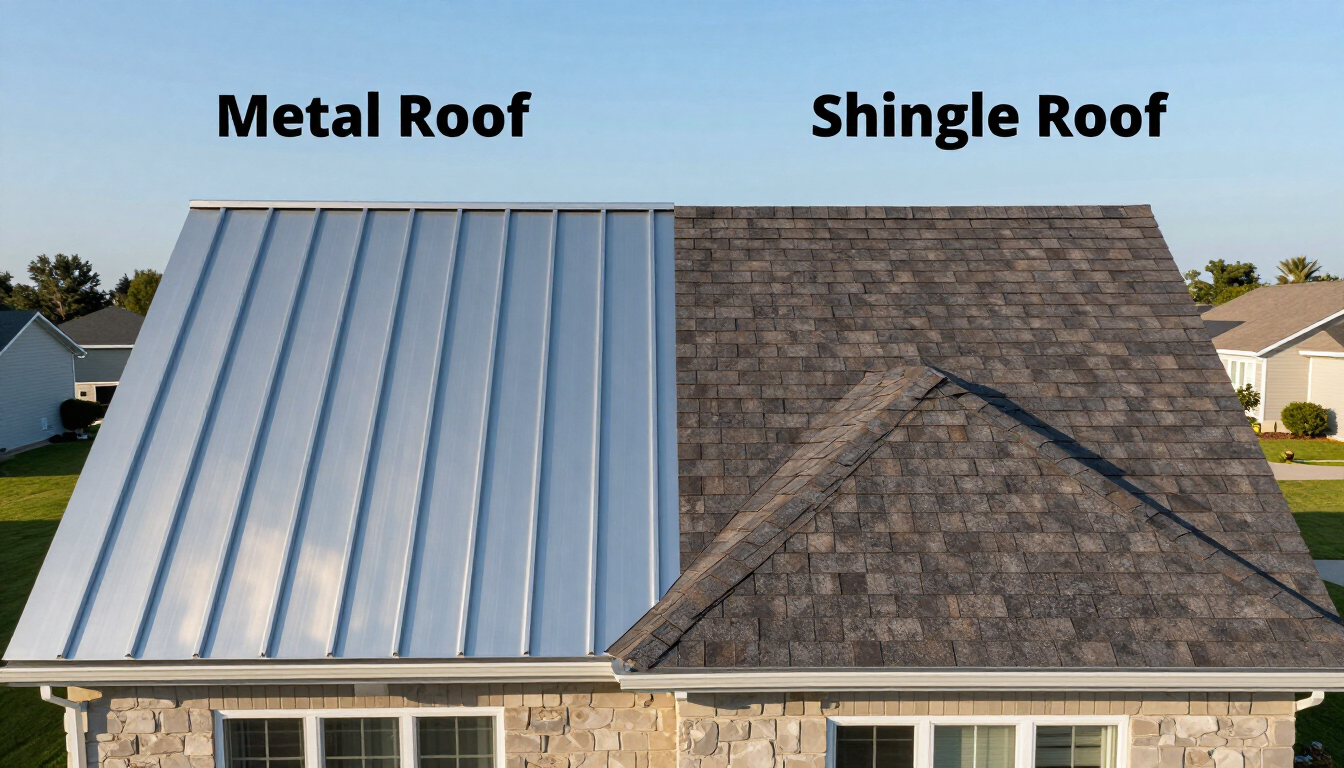
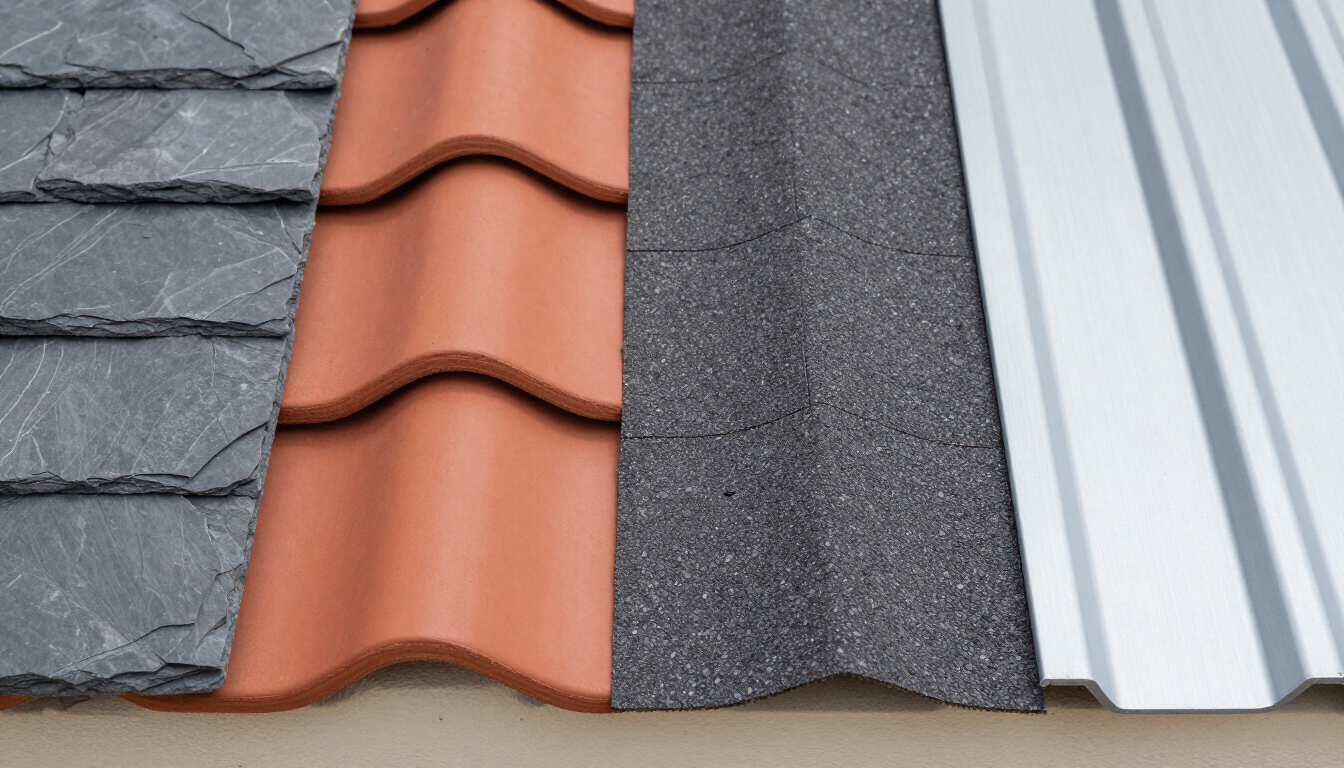
Materials. Standard architectural asphalt shingles are the most common choice in the Shenandoah Valley and sit in the ranges above. Premium shingles, metal, or specialty materials cost more. We get into the shingle-versus-metal question further down.
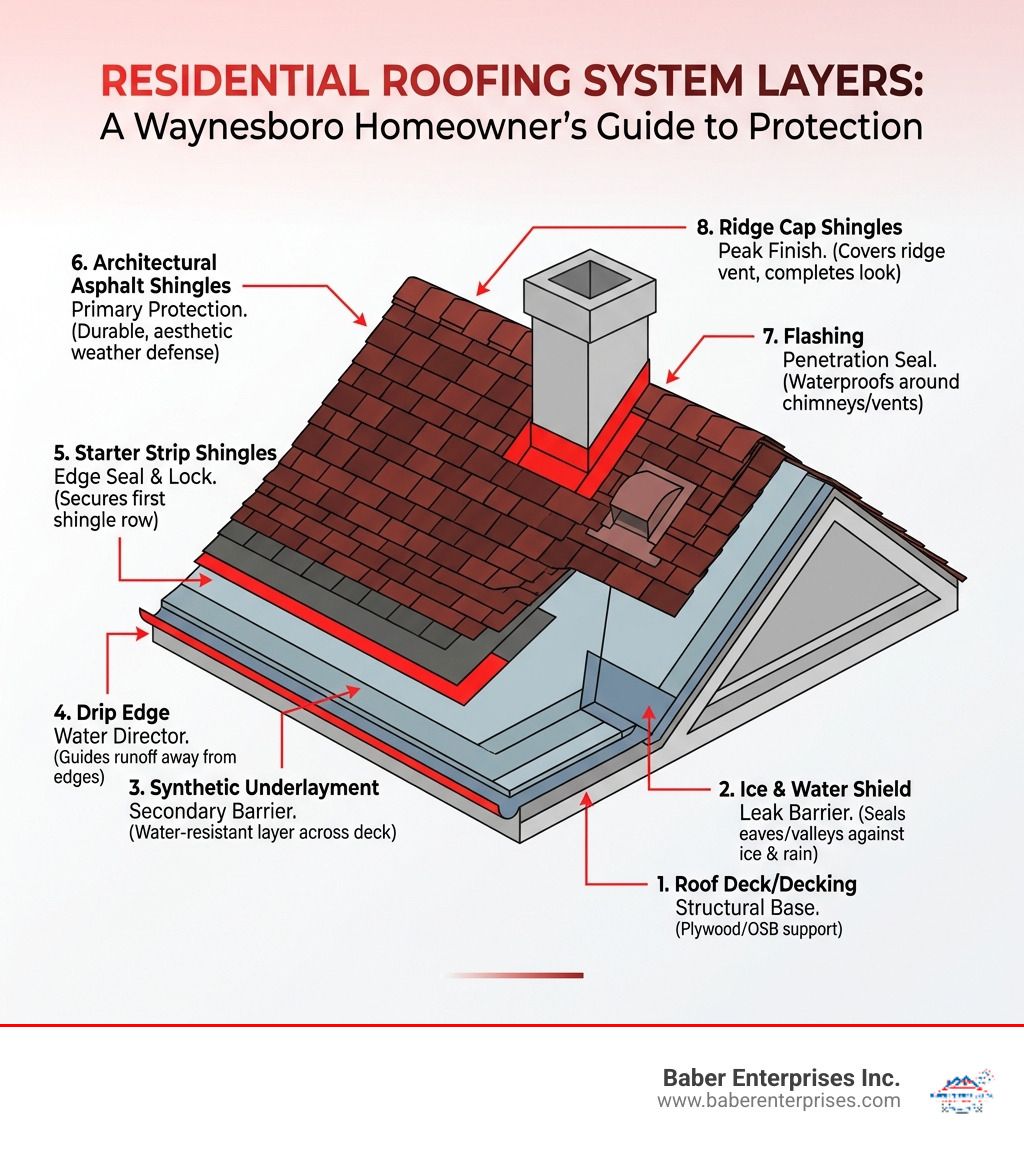
Roof complexity. Valleys, dormers, chimneys, skylights, and multiple roof planes all add labor and flashing work. A simple gable roof is cheaper to replace than a cut-up roof with lots of angles.
Tear-off and layers. Removing old shingles and hauling them away is part of most projects. If your home has two or three layers of old roofing, that is more to remove and dispose of, which adds cost.
Hidden deck damage. Once the old roof comes off, the crew can see the wood decking underneath. Rotted or water-damaged decking has to be replaced before the new roof goes on. This is the most common surprise cost, which is why a good contractor gives you an honest heads-up that it is a possibility.
Average Cost Per Roofing Square in Virginia
Pricing by the square is how roofers think about cost internally, and it helps you sanity-check a quote. For installed architectural asphalt shingles in the Waynesboro and Augusta County area, expect roughly $450 to $750 per square in 2026.
That per-square number folds in materials, labor, underlayment, basic flashing, and disposal. Where you land in the range depends on the same factors above: steeper and more complex roofs sit at the higher end, simple roofs at the lower end. If a quote comes in dramatically below that range, it is worth asking what is being left out, because somebody is cutting a corner somewhere.
Why Roofing Costs Have Gone Up
If you replaced a roof eight or ten years ago, the 2026 numbers might give you sticker shock. A few things have changed across the industry:
- Shingle and material prices have climbed steadily with manufacturing and freight costs.
- Skilled labor is in shorter supply, and good crews command higher wages.
- Underlayment, flashing, and fastener standards have improved, which costs a little more but builds a better roof.
- Disposal fees for old roofing material have risen.
None of that is unique to Virginia, but it does mean the roof you priced years ago is not the roof you are pricing today. Budgeting against current numbers, not old memories, saves a lot of frustration.
Hidden Costs Most Homeowners Miss
The headline price covers the common scope, but a few items catch homeowners off guard. Knowing about them ahead of time keeps your budget honest.
- Decking replacement. As mentioned, rotted plywood under the shingles has to be replaced. Contractors often quote a per-sheet rate for this so you are not surprised, since the full extent is only visible after tear-off.
- Permits. Many localities across the Valley require a permit for a full replacement. The cost is usually modest, but it should be in the quote, not a surprise add-on.
- Ventilation upgrades. If your attic is poorly ventilated, the crew may recommend new ridge or soffit vents. Proper ventilation extends roof life, so it is worth doing, but it adds to the total.
- Chimney and skylight flashing. Old flashing should be replaced, not reused. Quality flashing work around penetrations is where a lot of leaks start, so this is not a place to cut corners.
- Steep or multi-story access. Hard-to-reach roofs sometimes carry an access charge for the extra time and safety equipment involved.
A detailed written quote should spell out which of these apply to your home. If a quote is vague or suspiciously round, ask for the line items. Transparency here is one of the clearest signs of a contractor worth hiring.
Will Insurance Cover Your Roof Replacement?
This is one of the first questions Waynesboro homeowners ask, and the answer is: sometimes. Homeowners insurance generally covers roof replacement when the damage comes from a sudden, covered event like a storm, hail, or wind, rather than from age and normal wear.
If a spring or summer storm rolls through the Shenandoah Valley and your roof takes a hit, you may qualify for a claim that covers a large share of the replacement cost, minus your deductible. The catch is documentation. You need to show the damage is storm-related and recent.
Baber Enterprises offers free roof inspections to help homeowners figure out whether what they are seeing is storm damage worth filing a claim over or simple aging. We will give you a straight answer either way, because filing a claim that gets denied helps nobody.
How to Budget and Pay for a New Roof
A roof replacement is a big expense, but it does not have to be paid all at once. A few practical ways homeowners in our area handle it:
- Save against a known timeline. If your roof is aging but not failing, you often have a year or two of runway to set money aside.
- Insurance claim. If storm damage is involved, your out-of-pocket cost may drop to just the deductible.
- Financing. Baber Enterprises offers financing options to help homeowners spread the cost of a new roof over time, which makes the project manageable on a monthly basis instead of a single lump sum.
The worst plan is no plan, which usually means waiting until a small leak becomes interior damage and the timeline gets decided for you. Knowing your roof's age and condition lets you stay ahead of it.
One more practical tip: get more than one quote, but compare them on the same scope. A roof is a major purchase, and a couple of detailed estimates give you a real sense of fair pricing for your home. Just make sure each quote covers the same work, because the cheapest bottom-line number often skips steps that show up as problems later. We cover how to read a quote in more detail in our cost guides for specific Valley cities.
Why Homeowners Across the Shenandoah Valley Choose Baber
For more than 40 years, Baber Enterprises has helped homeowners across Augusta County, Staunton, Waynesboro, and the surrounding Shenandoah Valley protect their homes with quality roofing. Three generations of our family have worked these same roofs, and that history shows up in the work.
We are a GAF Master Elite contractor, a certification held by less than 2% of roofing companies in the country. That status lets us offer enhanced, manufacturer-backed warranties that most contractors simply cannot. It also means every installation meets GAF's highest standards.
When you work with Baber, you get:
- Three generations of roofing experience in the Shenandoah Valley
- GAF Master Elite certification and the stronger warranties it unlocks
- Licensed and insured crews who understand Virginia weather
- Honest, no-pressure inspections and transparent pricing
- Financing options for qualified homeowners
- Local roots, not an out-of-town storm-chaser
We serve Staunton, Waynesboro, Fishersville, Stuarts Draft, Augusta County, and the broader Valley.
Schedule Your Free Roof Inspection in Waynesboro, VA
Whether you are planning ahead for a replacement, dealing with recent storm damage, or just want a professional opinion on the condition of your roof, Baber Enterprises is here to help.
We provide free, no-pressure roof inspections for homeowners throughout Waynesboro, Staunton, Fishersville, and the surrounding Shenandoah Valley. We will walk you through your options, explain the costs honestly, and talk through financing if it would make the project easier to manage.
Call Baber Enterprises today or request your free inspection online, and get a real number for your roof instead of a guess.
Frequently Asked Questions
How much does a roof replacement cost in VA?
Most Virginia homeowners spend between $9,000 and $25,000 for a full roof replacement in 2026, with a typical asphalt shingle roof on an average-sized home in the Waynesboro area landing between $12,000 and $18,000. Size, pitch, materials, and any hidden deck repairs determine where you fall in that range.
What is the cost per square for a new roof in Virginia?
Installed architectural asphalt shingles run roughly $450 to $750 per roofing square in 2026 in the Shenandoah Valley. One square covers 100 square feet, and most homes are 18 to 30 squares. The per-square price includes materials, labor, underlayment, basic flashing, and disposal.
Why is my roof replacement quote higher than I expected?
Quotes climb with steep pitch, complex rooflines, multiple layers of old shingles to remove, and hidden decking damage discovered during tear-off. Material and labor costs across the industry have also risen since the last time many homeowners priced a roof. A transparent contractor will explain exactly what is driving your number.
Does homeowners insurance cover roof replacement in Virginia?
Insurance typically covers replacement when damage comes from a sudden covered event like a storm, hail, or wind, rather than age. If a Shenandoah Valley storm damaged your roof, you may qualify for a claim covering most of the cost minus your deductible. A free inspection helps confirm whether the damage is claim-worthy.
Can I finance a new roof?
Yes. Baber Enterprises offers financing options for qualified homeowners, letting you spread the cost over time instead of paying a single lump sum. Financing can be combined with an insurance claim if storm damage is involved. Ask about it during your free inspection.
How long does a roof replacement take?
Most residential roof replacements in the Waynesboro and Staunton area are completed in one to three days, depending on roof size, complexity, and weather. Larger or more complex roofs take longer, and a good crew will give you a realistic timeline up front.
Is it cheaper to repair or replace a roof?
Repair is cheaper up front and makes sense for isolated damage on a roof with years of life left. But repeated repairs on an aging roof can add up to more than a replacement while leaving you with a roof near the end of its life. For a roof past 20 years with widespread wear, replacement is usually the better long-term value.